
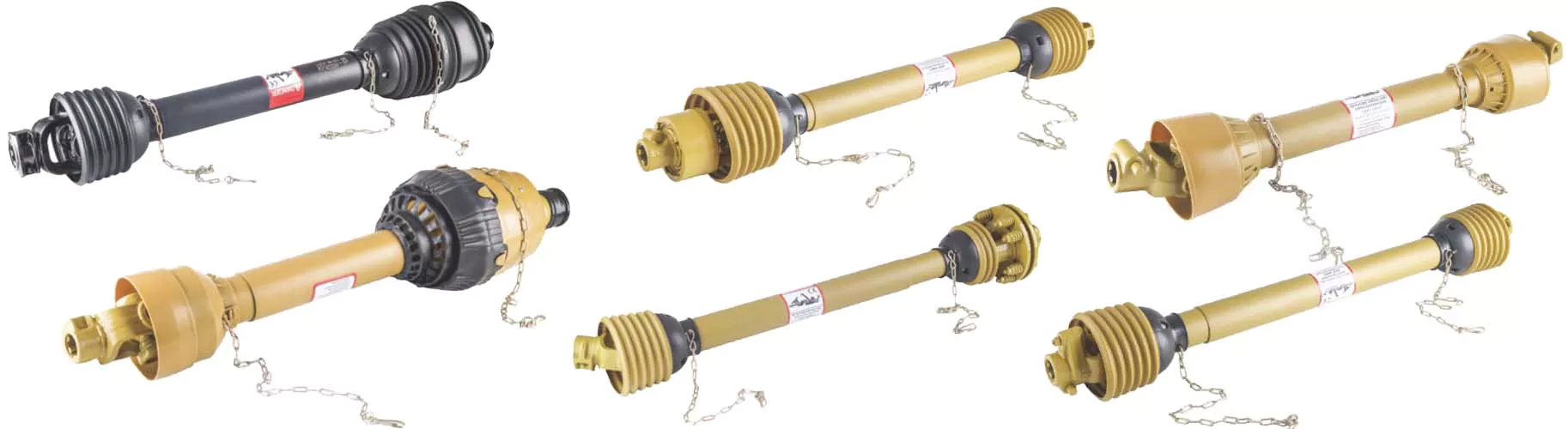
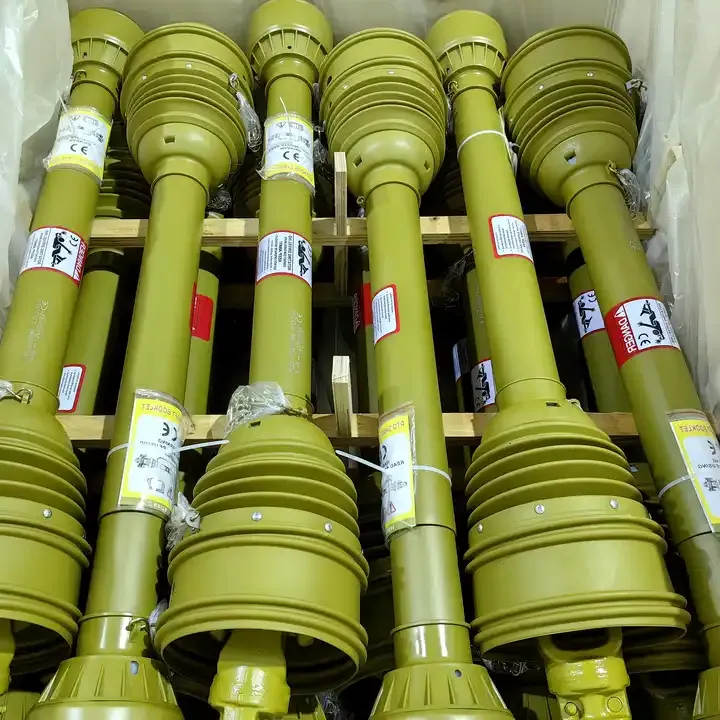
Bridge cranes play a vital role in Argentina’s manufacturing and logistics sectors, handling heavy loads with precision. Our industrial drive shafts, also known as cardan shafts, provide the essential link between motors and lifting mechanisms, allowing for angular misalignment and vibration absorption in demanding environments. Engineered for durability, these transmission shafts ensure smooth operation in ports, warehouses, and factories across Buenos Aires and Córdoba. Whether you’re upgrading existing equipment or sourcing crane power transmission parts, our solutions meet the rigorous needs of Argentine industries.
Key Features of Our Drive Shafts
These drive shafts stand out due to their high torque capacity and flexibility. Built from alloy steel like 42CrMo4, they resist fatigue in continuous operations typical of bridge cranes. The universal joints allow up to 15 degrees of misalignment, crucial for overhead systems where space constraints are common. In Argentina’s variable climate, from humid pampas to arid Patagonia, corrosion-resistant coatings extend service life. Operators benefit from reduced downtime, as these shafts incorporate sealed bearings that minimize lubrication needs.
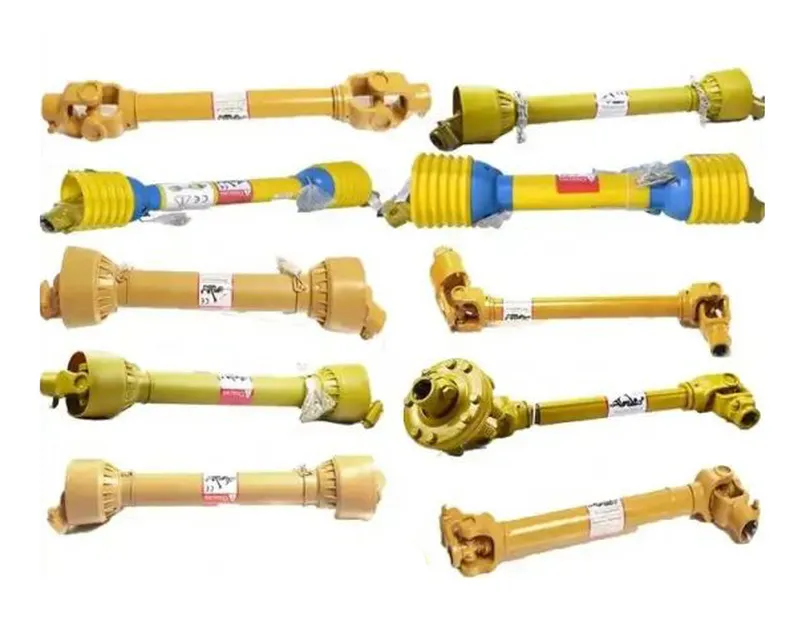
Customization options include length adjustments from 500mm to 3000mm, fitting various crane spans. Safety features like shear pins prevent overload damage, aligning with Argentine safety standards. For heavy-duty applications in steel mills or automotive plants, our shafts handle torques up to 18800 kN·m, supporting loads over 100 tons. This reliability translates to cost savings, with maintenance intervals extended by up to 1.7 times compared to standard models.
Integration with existing systems is straightforward, thanks to standard flange connections. In regions like Mendoza’s wine industry or Tucumán’s sugar processing, where bridge cranes move bulk materials, these shafts enhance efficiency by maintaining consistent power flow. Their vibration-dampening properties reduce wear on connected components, prolonging overall crane lifespan.
Working Principle
The core mechanism involves converting rotational energy from the crane’s motor to the hoist or trolley. Cardan joints at each end compensate for offsets between drive and driven shafts, ensuring torque transfer even under deflection. In bridge cranes, this is essential as the gantry moves along rails, causing slight angular changes. The shaft’s telescopic design accommodates length variations during operation.
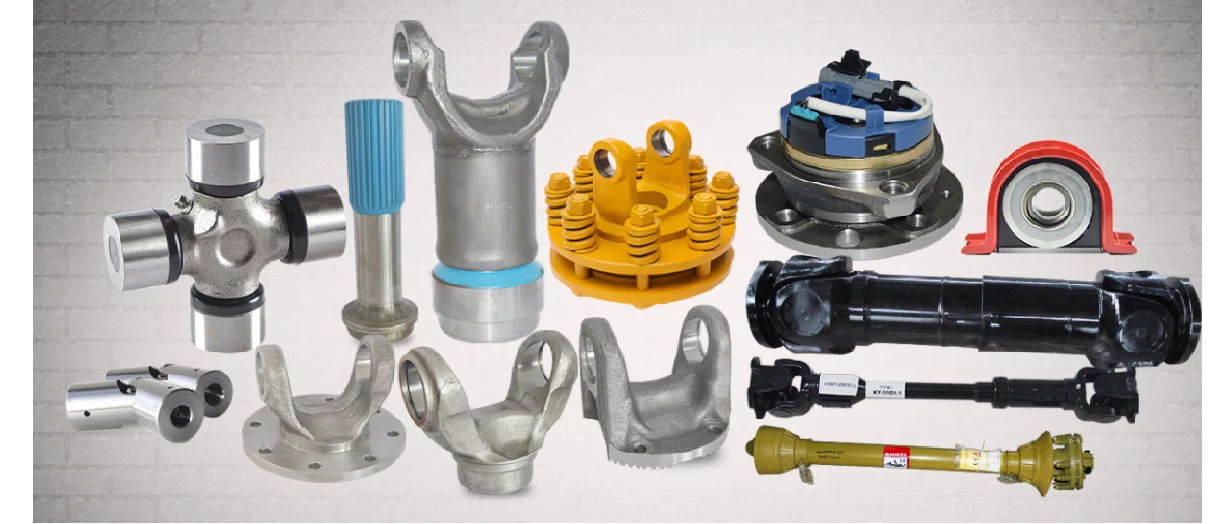
Power flows through the inner yoke, cross bearing, and outer yoke, with needle rollers minimizing friction. For Argentine setups in high-vibration environments like mining in San Juan, this setup absorbs shocks, preventing breakdowns. Efficiency reaches 95% in optimal conditions, with heat dissipation managed by material choices.
Maintenance involves periodic checks for play in joints, typically every 500 hours. In humid coastal areas like Mar del Plata, regular greasing protects against rust. This principle supports seamless integration in automated systems, where precise control is key for safety and productivity.
- Angular compensation up to 15° for flexible installation.
- Telescopic extension for dynamic length adjustments.
- High-strength materials for load-bearing reliability.
Technical Specifications Table 1: Core Dimensions
| Parameter | Value Range |
|---|---|
| Length (mm) | 500 – 3000 |
| Diameter (mm) | 50 – 200 |
| Weight (kg) | 10 – 150 |
| Material | Alloy Steel (42CrMo4) |
Need custom bridge crane transmission shafts? Request a quote for your specific requirements and get expert guidance tailored to your operations.
Application Cases
In Argentina, a major steel plant in Buenos Aires upgraded its bridge cranes with our drive shafts, resulting in 25% improved lifting efficiency. The shafts handled 120-ton loads daily, withstanding humid conditions without failure over two years. This setup complied with local safety norms under IRAM standards, focusing on overload protection.
Germany’s automotive factories in Bavaria use similar shafts in overhead cranes for assembly lines. They manage precise movements at speeds up to 240 m/min, aligning with VDMA guidelines that emphasize rigidity and synchronization. Downtime dropped by 30% after installation.
In Brazil’s mining sector near São Paulo, these shafts support bridge cranes in ore handling. Adapted for dusty environments, they meet ABNT NBR standards for vibration resistance, extending equipment life in high-heat operations.
Italian warehouses in Milan integrate them for logistics, adhering to UNI norms on torque limits. The flexibility aids in narrow aisles, boosting throughput by 20%.
Technical Specifications Table 2: Performance Metrics
| Parameter | Value Range |
|---|---|
| Torque Capacity (kN·m) | 10.9 – 18800 |
| Speed (RPM) | Up to 1000 |
| Misalignment Angle (°) | 4 – 15 |
| Operating Temperature (°C) | -20 to 90 |
Relevant Laws and Regulations
In Argentina, bridge crane drive shafts must comply with IRAM 4000 series standards, which mandate fatigue testing and safety factors above 1.5. Environmental regulations under Law 25.675 require corrosion-resistant materials to minimize industrial waste. In neighboring Brazil, ABNT NBR 8400 governs crane components, emphasizing torque limits to prevent accidents in mining. Germany’s DIN standards, widely adopted in Europe, focus on precision engineering for high-speed operations, with VDMA guidelines ensuring compatibility. Japan’s JIS B 2808 requires vibration testing, critical for seismic-prone areas. These regulations ensure safe, reliable performance across borders.
For U.S. markets, ANSI/AGMA standards apply, stressing load ratings for heavy manufacturing. In China, GB/T standards cover metallurgy applications, with mandatory certifications for export. Compliance in these regions protects against legal issues and enhances market access.
Brand Compatibility
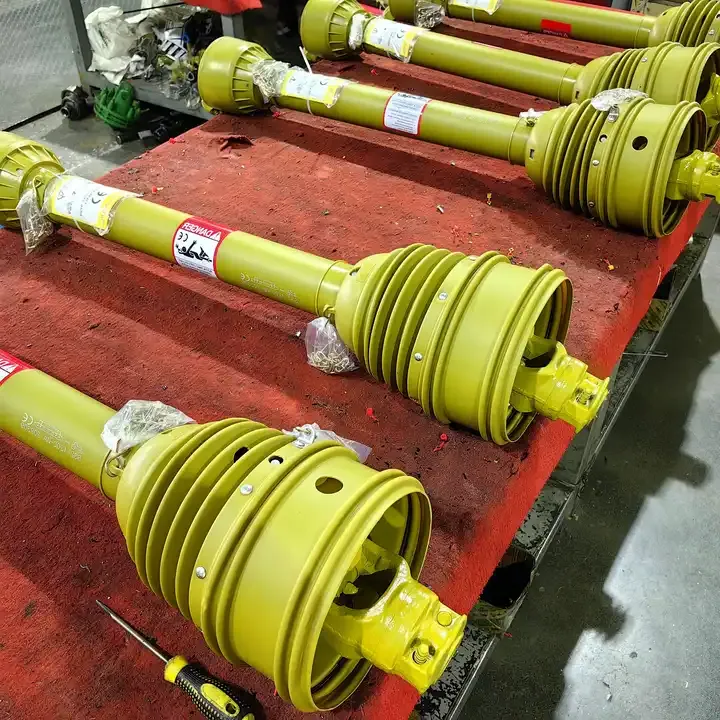
Our drive shafts serve as reliable replacements for major brands, enhancing performance without full system overhauls. Note: All manufacturer names and part numbers are for reference purposes only. Agknx is an independent manufacturer.
| Brand | Compatibility Notes |
|---|---|
| Comer | Matches torque ratings; direct fit for safety devices. (For technical reference only, Agknx is independent.) |
| GKN | Compatible with universal joints; improved durability in heavy loads. (For technical reference only, Agknx is independent.) |
| Dana | Aligns with flange patterns; suitable for high-heat environments. |
This compatibility extends to regions like Argentina and Brazil, where mixed fleets are common. Always verify dimensions before installation to ensure seamless integration.
Why Choose Agknx Drive Shafts?
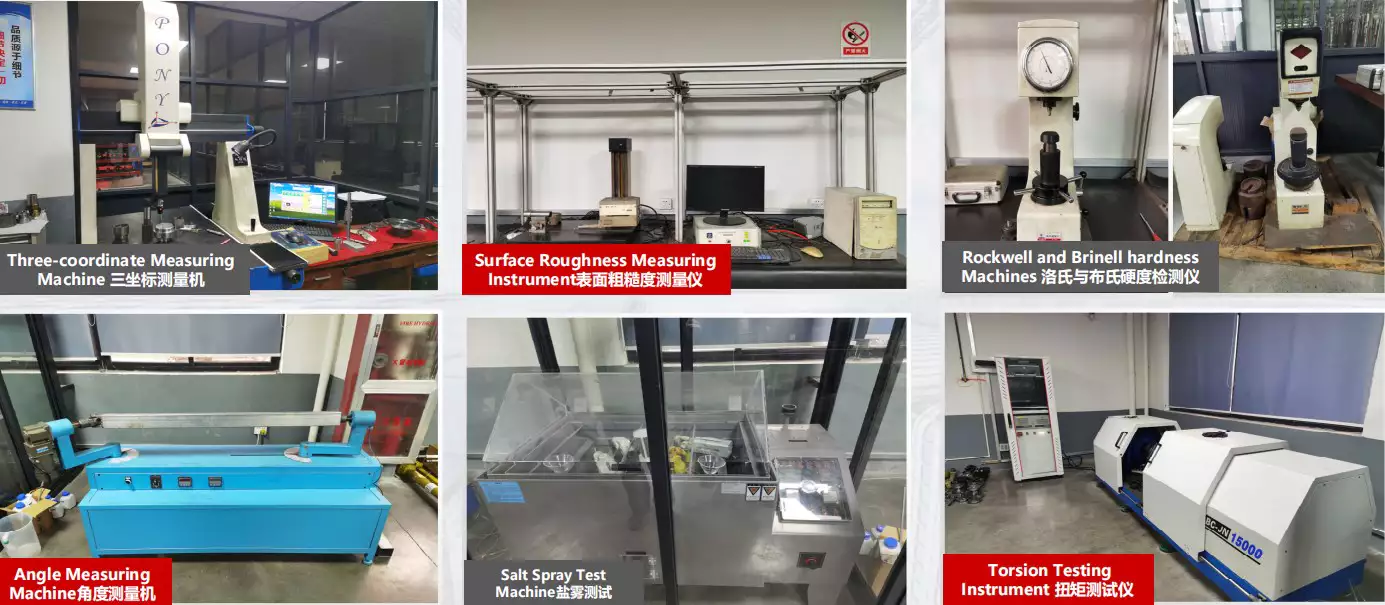
Agknx delivers unmatched quality in crane transmission components, backed by years of engineering expertise. Our shafts reduce operational costs through extended lifespan and minimal maintenance. In competitive markets like Argentina, where efficiency drives profitability, our products outperform generics in torque handling and reliability.
We prioritize customer needs, offering quick turnaround on custom orders. Global certifications ensure compliance, while our support team provides installation guidance. Partnering with us means accessing innovative solutions that adapt to evolving industrial demands.
Technical Specifications Table 3: Safety and Compatibility
| Parameter | Details |
|---|---|
| Safety Features | Shear bolts, overload clutches |
| Certifications | ISO 5674, CE, IRAM compliant |
| Compatibility | Standard flanges for global brands |
| Lifespan (hours) | Up to 10,000 under normal use |
Ready to enhance your bridge crane performance? Explore our full range of drive shafts and find the perfect fit for your setup.
Frequently Asked Questions
What torque capacity do these drive shafts offer for Argentine bridge cranes?
Our shafts handle torques from 10.9 kN·m to 18800 kN·m, suitable for light to heavy-duty cranes. This range supports operations in ports like Buenos Aires, where loads vary. Always match to your crane’s specs for optimal performance, considering local IRAM standards for safety margins.
How do they comply with regulations in Argentina and neighboring countries?
They meet IRAM 4000 for fatigue resistance and Law 25.675 for environmental impact. In Brazil, alignment with ABNT NBR 8400 ensures vibration control. These compliances reduce legal risks and facilitate cross-border trade in South America.
Can these shafts replace parts from other brands?
Yes, they serve as alternatives for brands like Comer or GKN, with matching flanges and joints. (For technical reference only, Agknx is independent.) This compatibility aids in maintenance for mixed fleets in Argentine industries.
What maintenance is required?
Inspect joints every 500 hours, grease bearings quarterly. In dusty environments like Patagonia mines, clean seals regularly. This routine extends life, aligning with VDMA-inspired practices for reliability.
How to order custom lengths?
Provide crane span details for tailored shafts from 500mm to 3000mm. Our team ensures fit, with quick delivery to Argentine sites. Contact us for precise quotes based on your operational needs.
For bulk orders on crane drive shafts, Get in touch with our experts today to discuss your project.