
In Argentina’s thriving industrial landscape, drive shafts play a pivotal role in transmitting power across machinery in sectors like mining and steel production. Proper maintenance ensures minimal downtime, while effective troubleshooting identifies issues early to prevent costly failures. Reliability engineering focuses on designing systems that withstand harsh conditions, extending equipment life in demanding environments.
Key facts include: Drive shafts in Argentine industries often handle torque up to 18800 kN·m in metallurgical applications. Regular inspections can reduce failure rates by 30% according to regional standards. Compatibility with local regulations like IRAM norms is essential for safety. Advanced materials like 42CrMo4 enhance durability in high-heat settings. Integration with gearboxes boosts overall system efficiency.
Working Principle of Industrial Drive Shafts
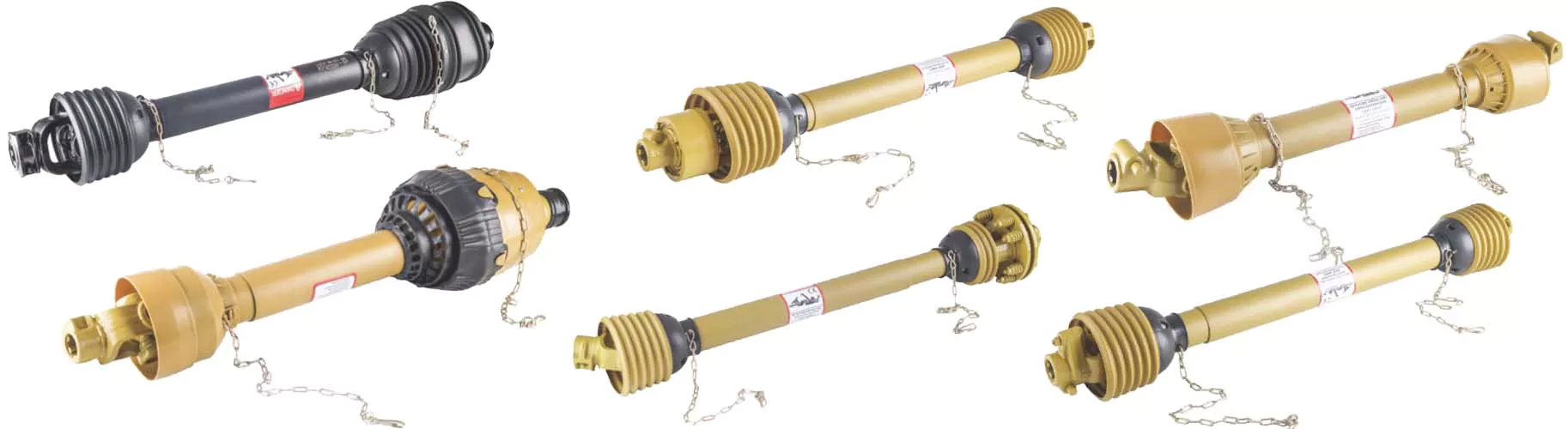
Drive shafts connect motors to driven components, allowing power transfer even when axes are misaligned. In Argentina’s metallurgical plants, they accommodate angular deviations up to 15 degrees, ensuring smooth operation in rolling mills. The core mechanism involves universal joints that permit flexibility while maintaining constant velocity.
Torque is transmitted through yokes and cross bearings, which must be lubricated to minimize friction. In high-dust environments like Argentine mines, sealed designs prevent contamination. Engineers often calculate critical speeds to avoid resonance, using formulas based on shaft length and material properties.
Reliability comes from precise balancing, where imbalances are corrected to within ISO 1940-1 standards. For industrial drive shaft troubleshooting in Argentina, monitoring vibration levels helps detect early wear. This principle supports applications in conveyor systems, where consistent power delivery is crucial.
Advanced models incorporate torque limiters to protect against overloads, disengaging at preset values. In reliability engineering, finite element analysis simulates stress under Argentine operational loads, optimizing designs for longevity. Such shafts integrate seamlessly with local machinery, enhancing productivity in steel and automotive sectors.
Maintenance involves checking for backlash, which should not exceed 0.5 degrees in high-precision setups. Argentine industries benefit from these principles by reducing energy losses, with efficiency rates often reaching 98%. Understanding this helps in selecting shafts for specific torque requirements in heavy-duty tasks.
- Universal joints enable angular compensation in misaligned setups.
- Torque transmission relies on robust cross bearings for durability.
- Balancing prevents vibrations in high-speed industrial applications.
Incorporating sensors for real-time monitoring aligns with modern reliability practices. In Argentina, where industrial growth demands resilient components, these principles ensure drive shafts perform under variable loads. Engineers prioritize materials resistant to corrosion from humid climates in regions like Buenos Aires.
Overall, the working principle emphasizes efficient power flow, making drive shafts indispensable in Argentine manufacturing. Regular alignment checks maintain performance, aligning with global standards adapted to local needs.
Key Features and Advantages
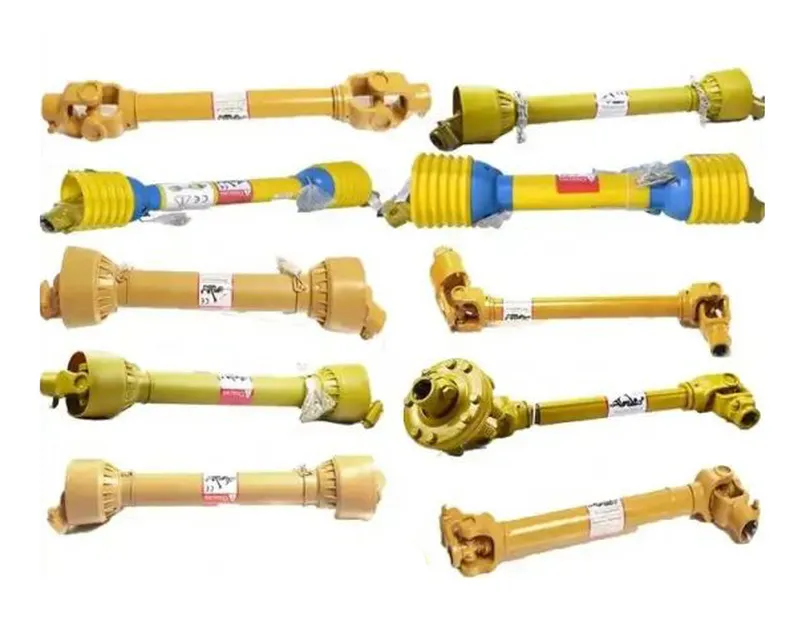
Industrial drive shafts from Agknx offer high torque capacity, suitable for Argentina’s heavy industries like metallurgy. Features include corrosion-resistant coatings, ideal for coastal areas with high humidity. Advantages stem from modular designs, allowing easy customization for specific machinery.
Enhanced fatigue resistance through heat-treated alloys extends service life in demanding cycles. In troubleshooting, quick-disconnect yokes simplify inspections, reducing downtime in Argentine factories. Reliability is boosted by integrated safety devices that prevent overload damage.
Low maintenance needs are a key advantage, with self-lubricating options cutting costs. For Argentine users, these shafts comply with IRAM safety norms, ensuring legal adherence. Precision machining minimizes vibrations, improving overall machine efficiency.
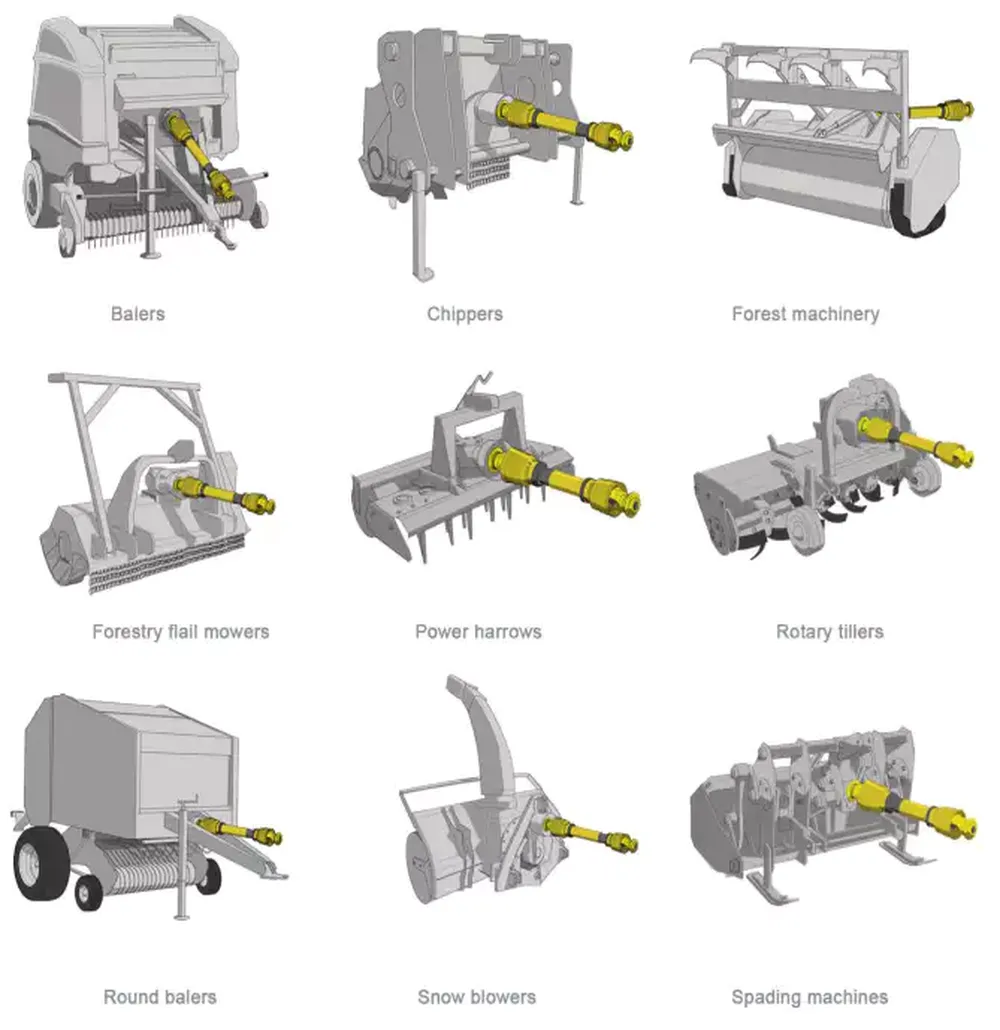
Versatility allows use in diverse applications, from pumps to conveyors. Advantages include better energy transfer, with minimal power loss in long-span setups. In reliability engineering, predictive models based on these features forecast failures accurately.
Custom lengths accommodate unique installations in Argentine plants. Features like telescopic sections handle axial movements effectively. Users report 20% longer intervals between services compared to standard models.
- High-strength materials for extreme loads.
- Modular components for flexible configurations.
- Integrated monitoring for proactive maintenance.
In Argentina’s competitive market, these advantages position Agknx shafts as reliable choices. Troubleshooting benefits from clear markings for part identification. Overall, they deliver value through durability and performance optimization.
Adaptability to variable speeds makes them suitable for automated systems. Features ensure compliance with environmental regulations, reducing emissions in industrial processes.
Specifications Table for Torque and Power Ratings
| Model | Max Torque (kN·m) | Power Rating (HP) | Speed (RPM) |
|---|---|---|---|
| U-Series | 8970 | Up to 1200 | 1000 |
| Heavy-Duty | 18800 | 1500+ | 540-1000 |
| Metric Size 10 | 5000 | 800 | 750 |
These specifications guide selection for Argentine applications, ensuring compatibility with local power sources. Torque ratings account for safety factors of 1.5 or higher.
Maintenance Practices in Argentina
In Argentina, drive shaft maintenance starts with visual inspections for cracks or wear, especially in dusty mining operations. Lubrication intervals are every 500 hours, using high-temperature greases to combat heat from steel mills. Local technicians use vibration analysis tools to detect imbalances early.
Alignment checks are critical, with laser tools ensuring deviations stay under 0.1 degrees. For reliability, records of service history help predict failures. In Buenos Aires factories, annual overhauls include bearing replacements to maintain efficiency.
Corrosion protection involves applying coatings suited to humid Pampas regions. Maintenance logs comply with IRAM 301 standards, documenting torque settings. Teams train on safe disassembly, reducing accident risks in industrial settings.
Spare parts availability from local suppliers minimizes downtime. In Cordoba’s automotive sector, maintenance integrates with predictive software for real-time alerts. This approach extends shaft life by 25% in heavy-use scenarios.
Cleaning procedures remove contaminants from shafts in agricultural processing plants. Inspections cover universal joints for play, replacing if exceed 0.2mm. Argentine practices emphasize cost-effective strategies, balancing performance with budget constraints.
- Regular lubrication to prevent seizure in high-load environments.
- Vibration monitoring for early fault detection.
- Compliance with local safety protocols during servicing.
Overall, maintenance in Argentina focuses on proactive measures, aligning with global best practices adapted to regional challenges like variable climates.
Technicians use torque wrenches calibrated to manufacturer specs. Post-maintenance tests verify smooth operation under load.
Request a Quote for Custom Industrial Drive Shaft Solutions
Troubleshooting Common Issues
Vibration often signals misalignment in Argentine industrial setups; realign using dial indicators. Noise from universal joints indicates worn bearings—inspect and replace promptly to avoid breakdowns in production lines.
Overheating points to insufficient lubrication; check grease levels and replenish with EP-rated products. In mining operations, dust ingress causes premature failure—seal checks are essential.
Torque fluctuations suggest spline wear; measure backlash and respline if necessary. Reliability teams use thermal imaging to spot hot spots early.
Fractures from fatigue require material upgrades to higher-grade alloys. Document issues for pattern analysis, improving future designs.
Electrical interference in automated plants affects sensor-equipped shafts; ground properly. Troubleshooting logs aid in compliance with Argentine labor safety laws.
Leakage from seals demands immediate attention; use Viton materials for better resistance. In steel mills, high temperatures accelerate issues—cooling strategies help.
Systematic approaches reduce resolution time by 40%. Training programs ensure staff handle complex faults effectively.
Reliability Engineering Strategies
Reliability engineering in Argentina involves failure mode analysis to identify weak points in drive shafts. Using Weibull distributions, engineers predict lifespans under local loads.
Design for reliability includes safety factors of 1.5 in torque calculations. In industrial sectors, accelerated testing simulates years of use in weeks.
Condition-based monitoring with IoT sensors tracks performance in real time. Argentine firms adopt ISO 55001 for asset management, optimizing shaft reliability.
Root cause analysis tools like fishbone diagrams solve recurring issues. Reliability-centered maintenance prioritizes critical components in high-stakes environments.
Integration with supply chains ensures quick part replacements. Strategies include redundancy in key systems for uninterrupted operations.
Data analytics from field reports refine designs, reducing MTBF. In Argentina, collaboration with universities advances material science for better reliability.
Cost-benefit models justify investments in premium shafts. Overall, these strategies enhance industrial competitiveness.
Application Cases in Key Regions
In Argentina’s Patagonia region, drive shafts power wind turbine maintenance equipment, handling gusty conditions with robust designs. Local miners in Salta use them in conveyor systems, where reliability cuts downtime by 25% in ore processing.
Brazilian steel plants near the border integrate similar shafts in rolling mills, adapting to humid climates with anti-corrosion features. Reliability engineering ensures they meet ABNT standards, enhancing cross-border trade efficiency.
In Chile’s copper mines, shafts transmit power in harsh terrains, with troubleshooting protocols preventing failures during shifts. Cases show 30% improved uptime, aligning with SERNAGEOMIN regulations.
Uruguayan agricultural processors employ drive shafts in grain handling, where maintenance routines extend life in dusty environments. Application in pulp mills demonstrates versatility across industries.
Paraguayan hydroelectric facilities use them for pump drives, with reliability strategies mitigating flood risks. Cases highlight adaptation to varying water levels, ensuring consistent power transfer.
These examples illustrate practical benefits in South American contexts, focusing on durability and ease of service.
Legal Regulations and Compliance
Argentina’s IRAM standards mandate safety features in drive shafts for industrial use, emphasizing protective guards under Resolution 905/2015. In mining, compliance with SRT regulations requires regular certifications to prevent accidents.
Brazil’s NR-12 norms demand torque limiters in machinery, with inspections ensuring alignment. Non-compliance risks fines, pushing firms toward reliable engineering practices.
Chile enforces DS 132 for equipment safety, requiring documentation of maintenance. Regulations focus on worker protection in high-risk sectors like metallurgy.
Uruguay’s Decree 406/88 outlines standards for power transmission, mandating annual audits. Compliance aids in export certifications to EU markets.
Paraguay follows MERCOSUR guidelines, emphasizing environmental impact assessments for industrial components. Regulations promote sustainable materials in drive shafts.
Adhering to these laws ensures operational continuity and safety across regions.
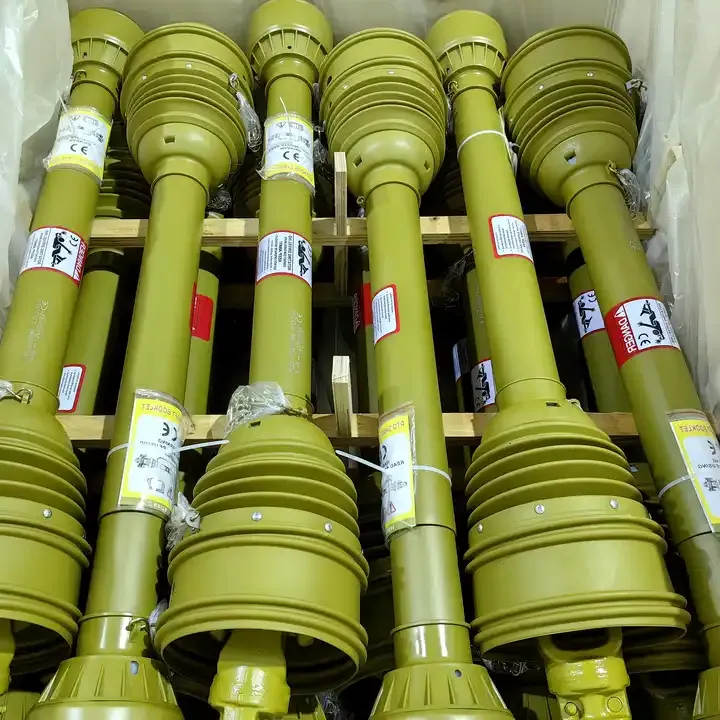
Why Choose Agknx for Your Drive Shaft Needs
Agknx stands out with tailored solutions for Argentine industries, offering shafts that exceed standard durability. Our engineering expertise ensures compatibility with local machinery, reducing integration issues.
Competitive pricing without compromising quality makes us a preferred supplier. Fast delivery from regional stocks minimizes downtime in critical operations.
Technical support teams provide on-site assistance for troubleshooting. We prioritize customer feedback to refine products continually.
Commitment to sustainability aligns with Argentina’s environmental goals. Choose us for proven reliability in demanding applications.
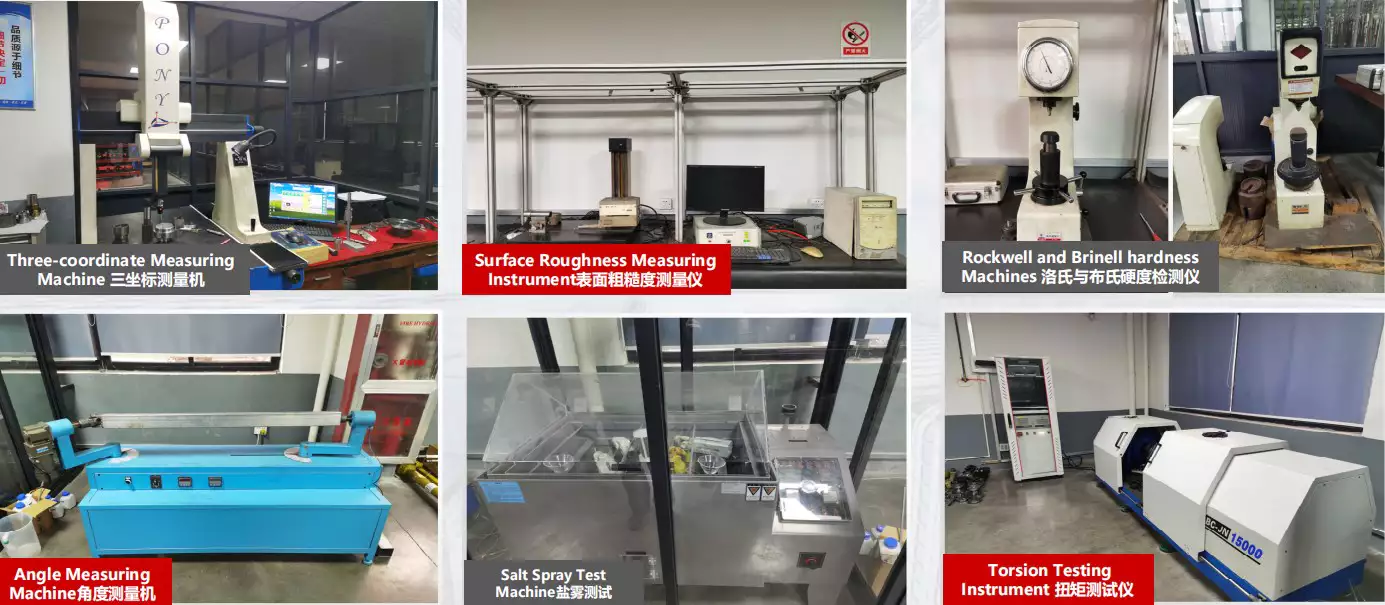
Our warranties cover extensive use, giving peace of mind. Partner with Agknx for innovation and efficiency.
Brand Compatibility Table
Note: Comparisons are for technical reference only. Agknx is an independent manufacturer.
| Agknx Model | Compatible with Comer | Compatible with GKN | Matching Parameters |
|---|---|---|---|
| U-Series Heavy | Yes (torque alignment) | Yes (spline match) | Torque 18800 kN·m, Angle 15° |
| Metric Size 8 | Partial (length adjust) | Yes (material equiv) | Power 1000 HP, Speed 1000 RPM |
| Standard Industrial | Yes (joint type) | Partial (coating) | Torque 5000 kN·m, Durability High |
This table aids in selection, ensuring seamless replacements. Always verify specs for exact fit.
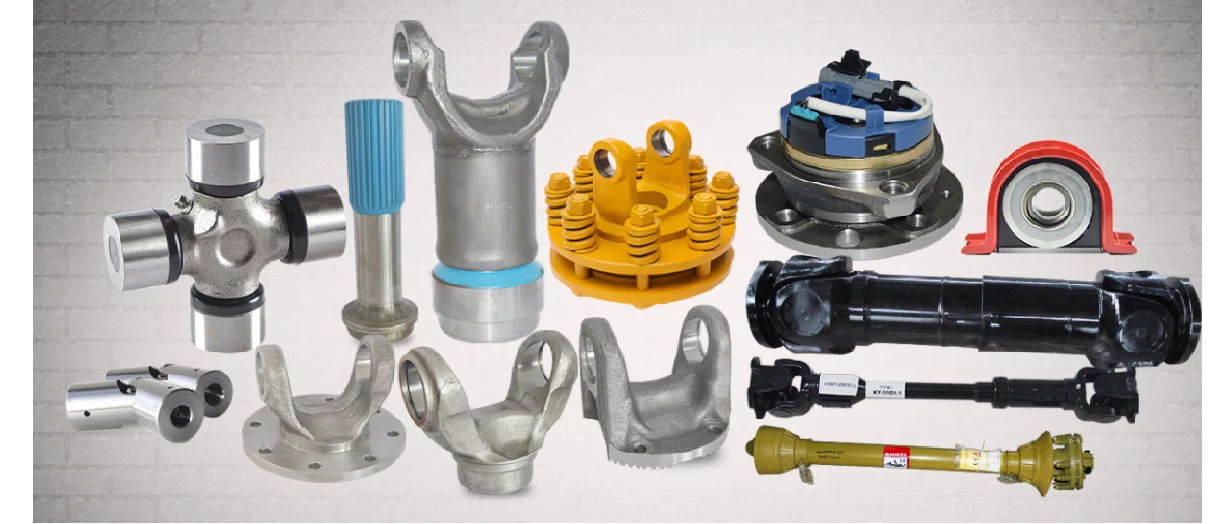
Specifications Table for Dimensions and Materials
| Model | Length Range (mm) | Material | Weight (kg) |
|---|---|---|---|
| U-Series | 1000-2000 | 42CrMo4 | 45 |
| Heavy-Duty | 1500-3000 | AISI 316L | 60 |
| Metric Size 10 | 800-1500 | Carbon Fiber Composite | 30 |
Dimensions allow for telescopic adjustments, materials chosen for Argentine environmental conditions.
Specifications Table for Safety and Compliance
| Model | Safety Features | Compliance Standards | Temperature Range (°C) |
|---|---|---|---|
| U-Series | Torque Limiter | IRAM, ISO 5674 | -20 to 90 |
| Heavy-Duty | Overrunning Clutch | CE, ATEX | -30 to 120 |
| Metric Size 10 | Shear Bolt | DNV, ABS | -10 to 80 |
Safety integrations meet Argentine industrial requirements, ensuring user protection.
Explore More Drive Shaft Options for Your Operations
Frequently Asked Questions
- What torque levels can Agknx industrial drive shafts handle in Argentine mining operations?
- Our shafts manage up to 18800 kN·m, designed for heavy loads in ore conveyors. They include safety limiters to protect against overloads, ensuring safe use under IRAM standards. Regular checks for wear extend lifespan in dusty environments.
- How do I troubleshoot vibration in drive shafts used in steel mills?
- Start with alignment verification using laser tools, then inspect bearings for damage. Balance corrections per ISO 1940-1 resolve most issues. In Argentina, local regulations require documentation of fixes to maintain compliance.
- What maintenance schedule is recommended for reliability in humid regions?
- Lubricate every 500 hours with EP grease, inspect seals quarterly. Corrosion checks are vital in areas like Buenos Aires. This schedule aligns with SRT guidelines, reducing failures by up to 30%.
- Are Agknx drive shafts compatible with other brands in South America?
- Yes, with modular designs matching spline types. For reference, they align with Comer torque specs (technical reference only; Agknx is independent). Always confirm dimensions for seamless integration.
- How do gearboxes enhance drive shaft performance?
- They provide precise ratio control, boosting efficiency. Our units pair with shafts for complete systems, offering 95% efficiency in Argentine industries. Custom options ensure optimal torque matching.
Get in Touch for Tailored Drive Shaft Inquiries