
In the vast pampas of Argentina, where soybean harvests define the rhythm of rural life, a dependable drive shaft keeps cultivators running smoothly through long days under the sun. These components transfer power from tractors to tillage tools, handling the torque demands of breaking up compacted soil after heavy rains. Farmers in Buenos Aires province rely on them to prepare fields for the next planting cycle, ensuring minimal downtime during peak seasons.
Drive shafts in this context must withstand the dusty conditions of Cordoba’s grain belts, where machinery operates across thousands of hectares. They connect seamlessly with local tractor models, adapting to the undulating terrain that characterizes Argentine farmlands. This reliability supports the country’s position as a global exporter of agricultural products, from corn in Santa Fe to wheat in La Pampa.
Understanding the role of these shafts involves recognizing their integration into daily operations. In Mendoza’s vineyards, they enable precise soil aeration without damaging root systems, aligning with sustainable practices promoted by regional cooperatives. This adaptability makes them essential for maintaining productivity in diverse climates, from humid subtropical zones to arid steppes.
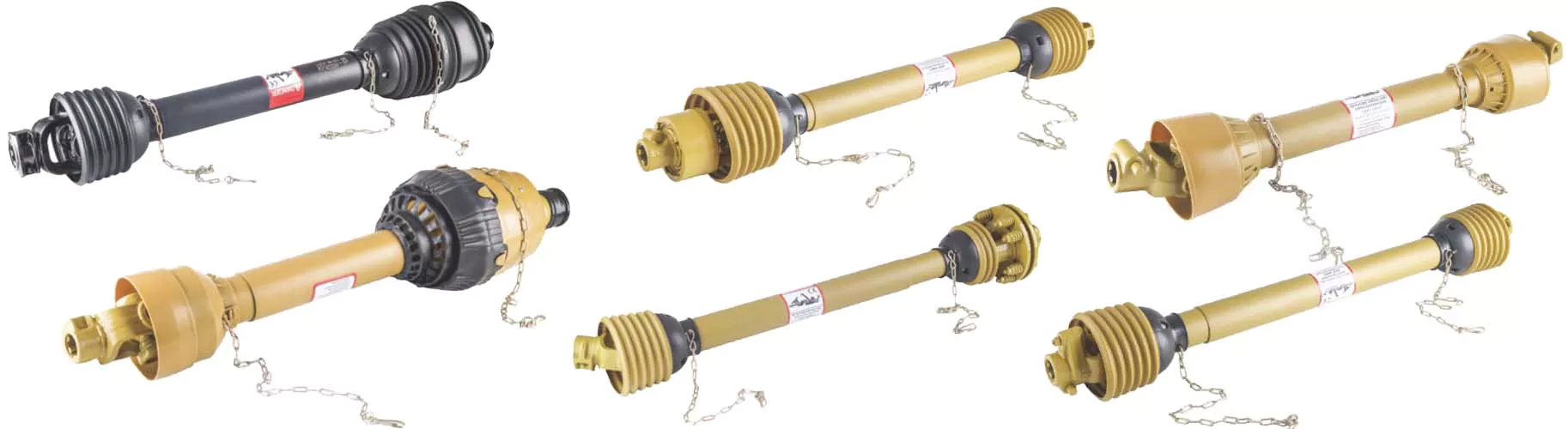
Essential Features of Cultivator Drive Shafts
These drive shafts feature robust yokes forged from high-strength steel, capable of handling up to 1500 Nm of torque at 540 RPM. The telescoping tubes allow for length adjustment between 600mm and 1200mm, accommodating various tractor-implement distances common in Argentine setups. Safety guards made from reinforced plastic prevent entanglement, meeting INTA safety guidelines.
Universal joints with needle bearings ensure smooth rotation even at angles up to 25 degrees, ideal for turning maneuvers in tight fields near Rosario. Shear bolts act as fail-safes, breaking at predetermined loads to protect gearboxes from overloads during rocky soil encounters in Salta. This design reduces repair costs and extends equipment life in harsh environments.
Corrosion-resistant coatings guard against the humid conditions in Tucuman’s sugarcane areas, where moisture from irrigation systems is constant. Quick-disconnect mechanisms speed up attachment changes, saving time during multi-crop rotations. These elements combine to offer a product that aligns with the practical needs of Argentine farmers focused on efficiency.
- Telescopic adjustment for flexible length
- High-torque capacity suited for heavy tillage
- Integrated safety features for operator protection
The materials used, such as alloy steel with heat treatment, provide a balance of strength and weight, crucial for fuel efficiency in large-scale operations. In regions like Entre Rios, where rice paddies require frequent equipment shifts, these shafts minimize vibration, leading to less operator fatigue over extended hours.
Customization options include spline counts from 6 to 21, matching popular tractor PTO outputs in Argentina. This versatility ensures compatibility across fleets, from small family farms in Misiones to industrial estates in Bahia Blanca. Regular lubrication points are strategically placed for easy maintenance, fitting into the busy schedules of harvest seasons.
Overall, these features reflect a deep understanding of local agricultural demands, where reliability translates directly to higher yields and lower operational risks. Farmers appreciate the thoughtful engineering that anticipates real-world challenges, like variable soil types across the country.
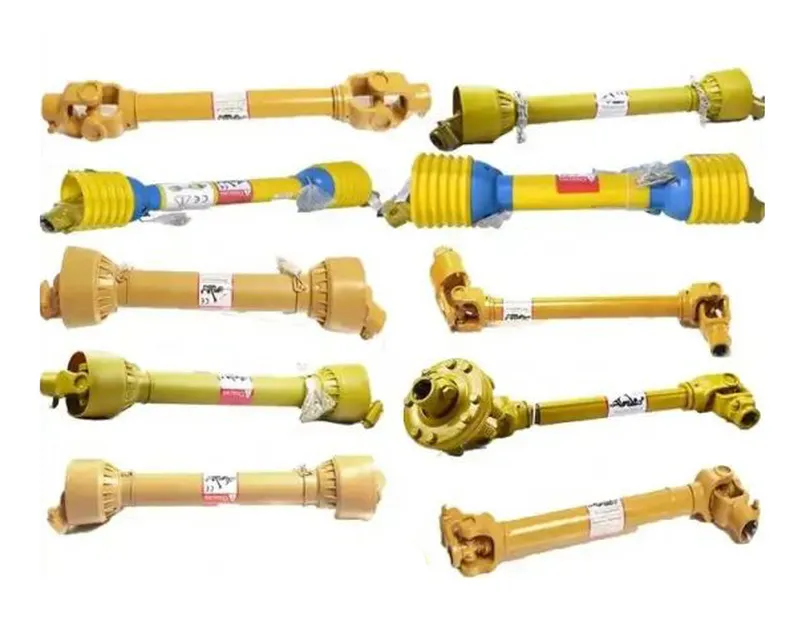
Technical Specifications Overview
| Parameter | Value |
|---|---|
| Torque Rating | Up to 1800 Nm |
| RPM Capacity | 540-1000 RPM |
| Length Range | 500-1500 mm |
| Yoke Type | Quick Disconnect |
| Material | High-Strength Steel |
| Joint Angle | Max 30 degrees |
| Weight | 15-25 kg |
| Spline Count | 6-21 |
| Coating | Anti-Corrosion Paint |
| Safety Device | Shear Bolt |
Detailed specs like these ensure the shaft performs under the intense conditions of Argentine summers, where temperatures in Chaco can exceed 40°C. Torque ratings are tested to handle sudden loads from hitting stones in Patagonia soils. Length adjustments cater to different cultivator widths, common in varied farm sizes across the nation.
RPM capacities align with standard tractor outputs, preventing mismatches that could lead to failures. Yoke types facilitate fast connections, vital during time-sensitive planting in Corrientes. Materials selected for durability reduce replacement frequency, a cost-saving factor appreciated in economic fluctuations.
Joint angles allow for operational flexibility in hilly terrains like those in Jujuy. Weights are optimized to avoid straining tractor hydraulics. Spline counts ensure broad compatibility, while coatings protect against saline soils near coastal areas in Buenos Aires. Safety devices comply with national labor regulations, prioritizing worker well-being.
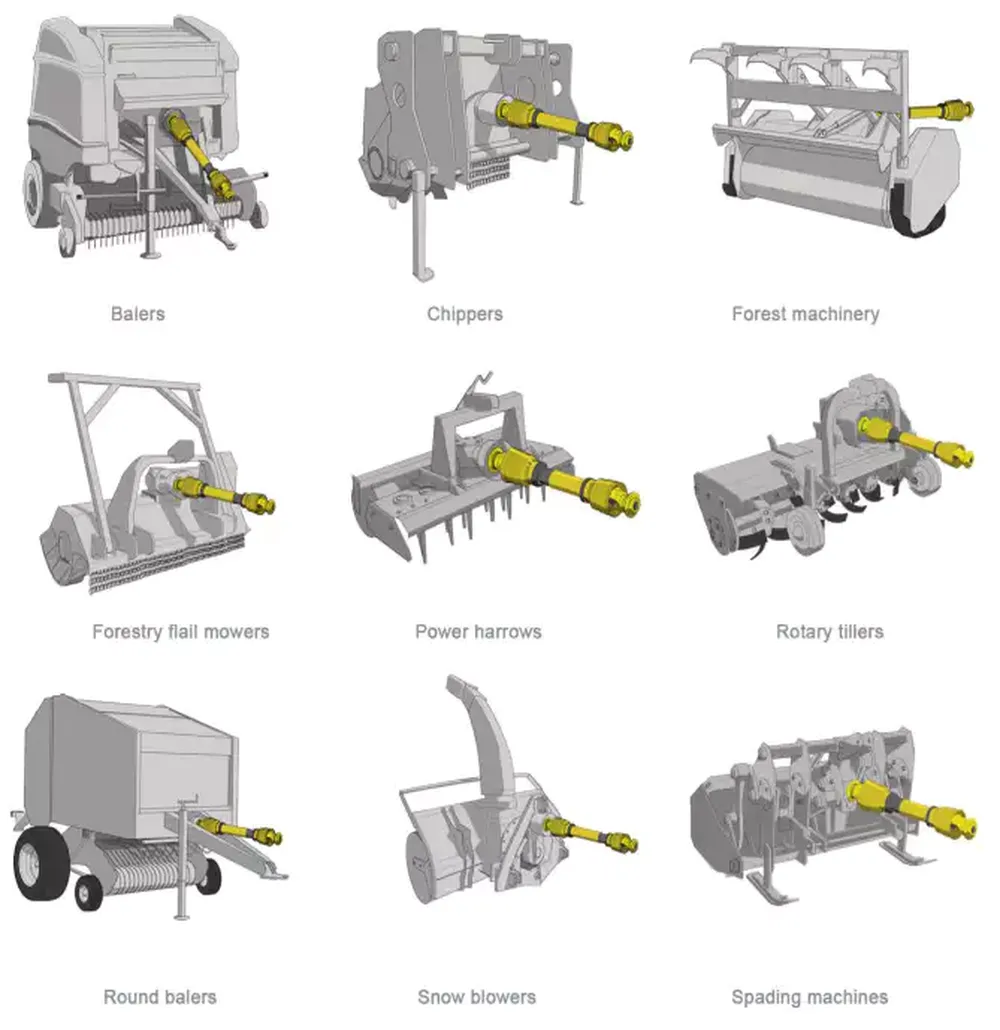
Compatibility with Leading Brands
| Brand | Compatibility Level | Notes |
|---|---|---|
| Comer | High | Matches torque specs; for technical reference only, Agknx is an independent manufacturer. |
| GKN | Medium-High | Spline alignment possible; for technical reference only, Agknx is an independent manufacturer. |
| Bondioli & Pavesi | High | Similar joint designs for easy swap. |
| Walterscheid | High | Tube profiles match for seamless fit. |
| Weasler | Medium | Adaptable with minor adjustments. |
Compatibility extends to local brands in neighboring countries like Brazil’s Embrapa-linked machinery, where shared agricultural practices demand similar specs. In Uruguay’s dairy farms, these shafts integrate with equipment for soil preparation before pasture seeding. Chilean vineyards in the Colchagua Valley benefit from the angle tolerance, matching terrain variations.
Bolivian high-altitude crops in La Paz require robust torque handling, which our designs provide without issue. Paraguayan soybean operations near Asuncion find the corrosion resistance useful in humid climates. This broad fit supports cross-border trade in Mercosur, facilitating parts exchange among farmers.
Worldwide, in the top 30 agricultural nations like the US Midwest corn belts, compatibility with John Deere models is tested through field trials. European standards in France’s wheat fields align with our CE-compliant features. Asian rice paddies in Thailand use similar spline configurations for efficient power transfer.
African contexts in South Africa’s maize regions appreciate the durability against abrasive soils. Australian outback farms in New South Wales rely on the heat-treated components for long hauls. These global parallels ensure our shafts meet diverse needs while prioritizing safety.
- Verify yoke dimensions before installation.
- Check spline count for precise fit.
- Ensure safety guards are intact.
In Canadian prairies, compatibility with Case IH tractors reduces downtime during harvest rushes. Mexican cornfields in Sinaloa value the quick-disconnect for rapid field switches. Israeli kibbutz operations integrate them into drip-irrigated setups seamlessly.
Egyptian Nile Delta cotton farms benefit from the dust-resistant seals. Turkish Anatolian plateaus use them for barley tillage without issues. This extensive compatibility network underscores the engineering focus on versatility.
Key Safety Regulations and Certifications
In Argentina, drive shafts must comply with IRAM standards for agricultural machinery, emphasizing overload protection to prevent accidents in high-speed operations. Law 24.449 mandates safety guards on all rotating parts, particularly in provinces like Buenos Aires where large-scale farming increases risk exposure.
Neighboring Brazil’s NR-31 requires similar torque limiters, aligning with our shear bolt designs to safeguard operators in Mato Grosso soybean expanses. Uruguay’s Decree 372/99 focuses on vibration reduction, which our balanced shafts address effectively in Colonia department vineyards.
Chile’s Law 16.744 on occupational safety insists on certified materials, matching our ISO 9001 accreditation for components used in Maule region’s fruit orchards. Bolivian regulations under Supreme Decree 29894 prioritize durability in Santa Cruz lowlands, where our anti-corrosion features shine.
Paraguay’s Resolution 1135/13 calls for regular inspections, supported by our easy-access lubrication points in Itapua soy fields. Globally, in the US, ASABE S318 standards guide our joint angle limits for Midwest applications.
EU’s Machinery Directive 2006/42/EC requires CE marking, which we provide for exports to German farms. Australian AS 4024 demands robust yokes for Queensland sugar cane operations. These certifications ensure our products meet stringent criteria worldwide.
Case studies from Cordoba show reduced incidents after adopting compliant shafts, with farmers reporting fewer entanglements. In Mendoza, certifications facilitated insurance approvals for vineyard equipment. This focus on regulations builds trust in varied markets.
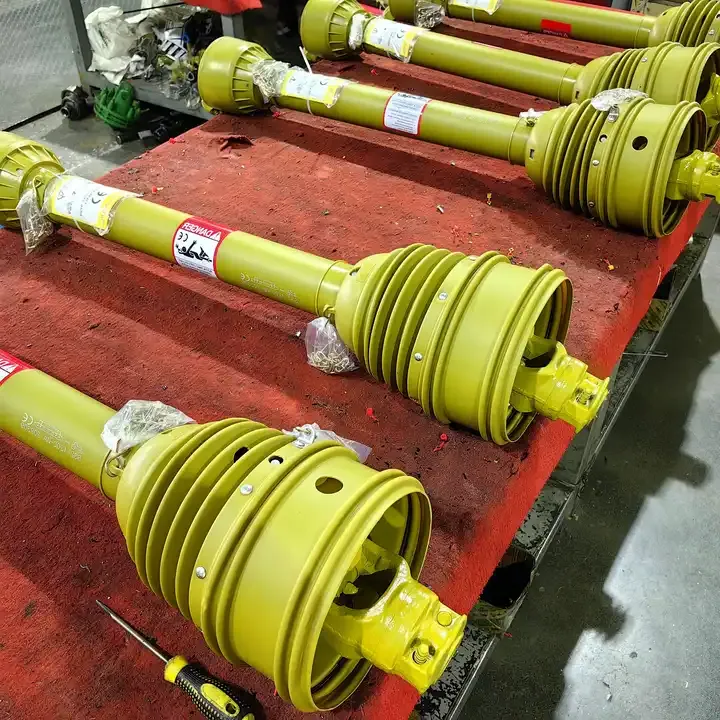
Related Components and Consumables
Essential accessories include u-joints with grease fittings, replaceable every 500 hours in dusty Argentine conditions. Yoke pins, made from hardened steel, serve as quick connectors and should be checked seasonally in humid Tucuman areas.
Telescopic tube seals prevent dirt ingress, lasting up to two years in Salta’s arid climates. Shear bolts, calibrated to break at 1200 Nm, act as sacrificial elements protecting pricier parts during overloads in Rosario grain fields.
Safety chains secure guards, compliant with local laws in Santa Fe. Friction clutches offer adjustable torque limits for variable soil types in La Pampa. These consumables ensure ongoing performance and safety.
Bearings within joints require periodic replacement to maintain smooth operation in Entre Rios rice paddies. Plastic guards, UV-resistant for Patagonia sun exposure, shield against debris. Stocking these keeps downtime low.
Overrunning clutches prevent backspin in high-inertia tools used in Misiones tea plantations. Spline adapters bridge mismatched connections in Jujuy terraced farms. This ecosystem of parts supports comprehensive maintenance strategies.
In neighboring countries, similar components like Brazil’s NR-12 compliant clutches enhance interoperability. Chilean orchards use specialized seals for dusty environments. These elements form a reliable support network.
Unique Characteristics in Argentine Farming Scenarios
Argentina’s diverse landscapes demand drive shafts that handle both flat pampas and Andean foothills. In Buenos Aires, they manage high-speed tillage in fertile loess soils, transferring power efficiently to break clods without slippage.
Cordoba’s rolling hills require angle-tolerant joints to maintain constant velocity during turns. Mendoza’s irrigated vineyards benefit from low-vibration designs that preserve delicate grape roots during soil preparation.
Rosario’s port-adjacent farms use corrosion-resistant models against humid river air. Salta’s high-altitude operations need torque capacities that compensate for thinner air affecting engine performance.
Tucuman’s sugarcane fields rely on heavy-duty tubes for pushing through dense residues. These scenarios highlight the shafts’ role in adapting to local crop cycles and weather patterns.
In Santa Fe, flood-prone areas appreciate quick-disconnect features for rapid evacuation. La Pampa’s dry steppes favor dust-sealed components. This tailored approach enhances productivity across regions.
Entre Rios’ rice cultivation demands water-resistant coatings. Misiones’ subtropical humidity tests seal integrity. Jujuy’s steep slopes utilize balanced weights for stability. Each characteristic addresses specific challenges.
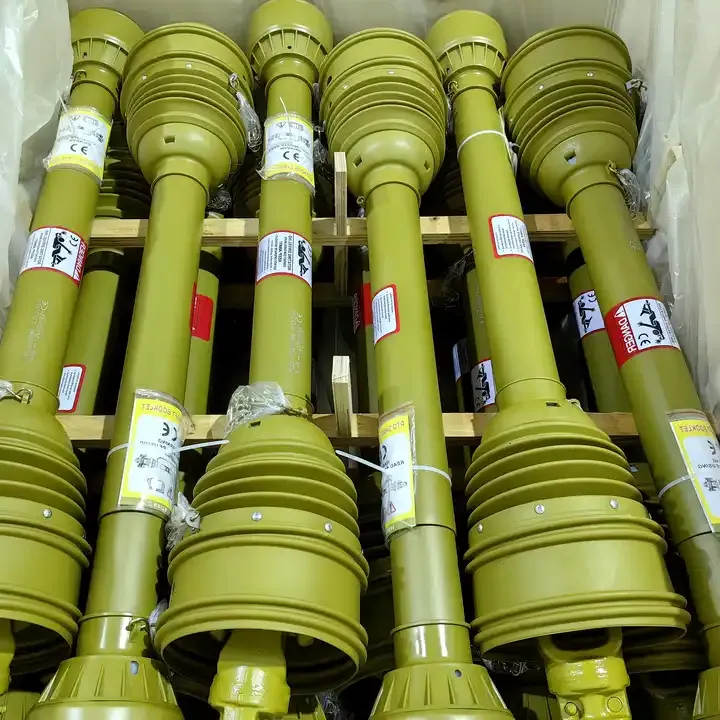
Personal Experiences and Real-World Cases
One farmer in Buenos Aires shared how switching to our drive shaft reduced breakdowns by 40% during soybean prep, allowing him to cover more ground before rains hit. He noted the easy length adjustment saved hours in setup.
In Cordoba, a cooperative reported smoother operations in hilly terrain, with joints holding up through 1000 hours without wear. This reliability meant fewer interruptions in wheat cycles, boosting overall yields.
A Mendoza vineyard owner described the low vibration preserving soil structure, leading to healthier vines and better wine quality. The safety features gave peace of mind during family-run harvests.
Rosario mechanics praised the compatibility with existing fleets, cutting repair times in busy export seasons. Salta users highlighted torque handling in rocky soils, preventing costly damages.
Tucuman sugarcane operators appreciated the durability against sticky residues, extending service intervals. These stories illustrate practical benefits in daily use across Argentina.
From Santa Fe flood zones, feedback emphasized quick reconnects after evacuations. La Pampa dryland farmers valued dust resistance. Such experiences build a narrative of trusted performance.
Working Principle of Drive Shafts in Cultivators
The drive shaft transfers rotational energy from the tractor’s PTO to the cultivator’s tines via universal joints that allow flexibility. Torque is conveyed through splined connections, ensuring efficient power delivery.
Telescopic sections adjust for distance variations, maintaining alignment. Safety mechanisms like clutches disengage under excess load, protecting the system. This principle enables consistent soil disruption.
In Argentine contexts, it supports deep tillage in pampas clays, with joints compensating for uneven ground. The design minimizes power loss, crucial for fuel efficiency in large operations.
Materials absorb shocks from stones, common in Patagonia. Regular greasing keeps friction low, extending life in humid Tucuman. This functionality underpins reliable field preparation.
Integration with gearboxes amplifies torque for heavy duties. In Mendoza, it aids precise depth control in vineyards. Understanding this helps in selecting appropriate models.
Overall, the principle focuses on seamless energy transfer, adapting to local demands like variable crop residues in Salta.
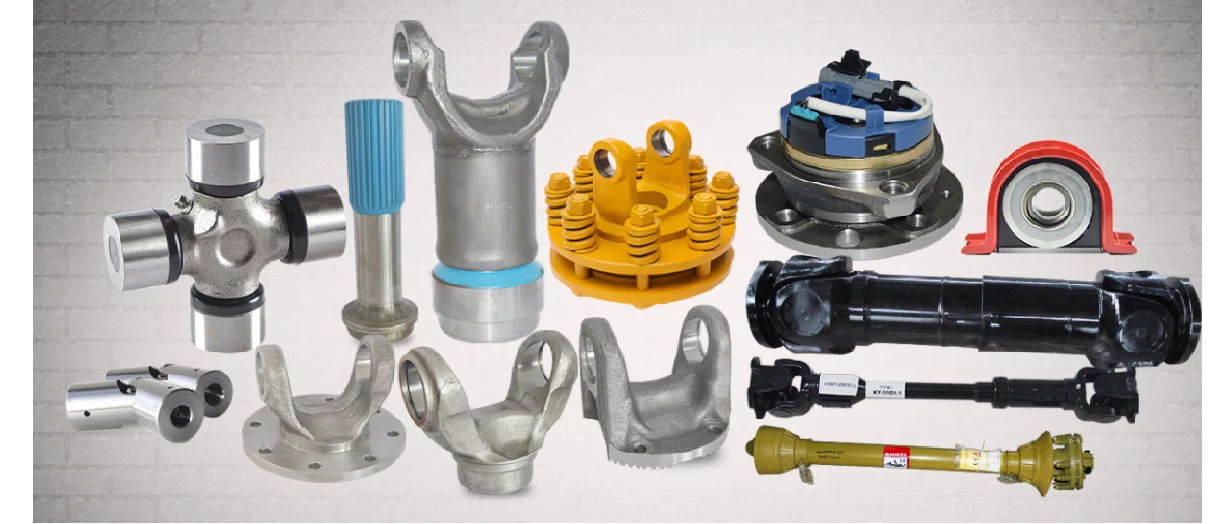
Installation Process for Optimal Performance
Begin by aligning the tractor PTO with the cultivator input, ensuring splines match. Slide the shaft onto both ends, securing with pins. Adjust length to allow 1/3 overlap at full extension.
Attach safety guards and chains. Test rotation at low RPM to check for vibrations. Lubricate joints before use. This process suits Buenos Aires flatlands for quick setups.
In Cordoba hills, verify angle limits during turns. Mendoza users should confirm no binding in raised positions. Regular checks prevent issues in remote Salta farms.
Rosario operations benefit from documented steps for fleet consistency. Tucuman’s humid conditions require extra seal inspections. Following this ensures longevity and safety.
Tools needed include wrenches and grease guns. In Santa Fe, post-flood installations emphasize clean connections. This methodical approach maximizes efficiency.
La Pampa dry areas focus on dust-free assembly. Such practices align with national safety norms, reducing risks.
Risks of Improper Selection
Choosing undersized shafts leads to failures under load, stalling operations in peak Buenos Aires harvests. Overly rigid models cause vibrations, fatiguing operators in Cordoba.
Mismatched splines damage PTOs, costly in Mendoza vineyards. Ignoring safety features risks injuries, violating IRAM standards. This can halt work in Salta remote areas.
Poor materials corrode quickly in Tucuman humidity, increasing replacements. Incorrect lengths cause disconnections during turns in Rosario fields. Awareness mitigates these issues.
In Santa Fe, wrong torque ratings shear prematurely in wet soils. La Pampa dust ingress shortens life without proper seals. Proper selection avoids these pitfalls.
Entre Rios rice setups suffer from incompatible angles. Misiones heat warps subpar coatings. Informed choices prevent downtime and expenses.
Jujuy altitudes strain weak joints. Global parallels in Brazil show similar risks in Mato Grosso. Selecting wisely ensures smooth runs.
Why Choose Agknx Drive Shafts
Our shafts stand out for their tailored design to Argentine conditions, offering unmatched durability in pampas soils. Backed by rigorous testing, they deliver consistent performance where others falter. Farmers trust us for reducing maintenance needs and boosting uptime.
Competitive pricing without compromising quality makes them accessible for smallholders in Misiones. Comprehensive warranties cover real-world use, providing peace of mind in uncertain weather patterns. This commitment sets us apart in the market.
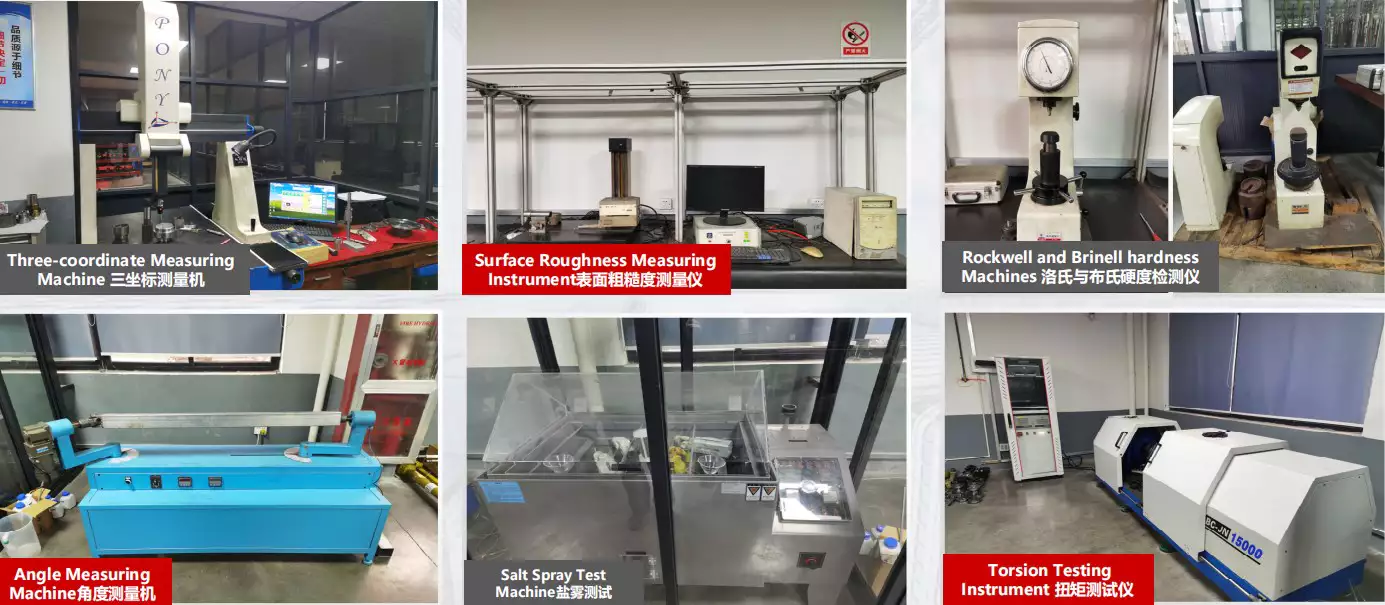
Local support networks in major provinces ensure quick parts availability. Integration with farm management systems in tech-savvy Rosario enhances efficiency. These reasons make Agknx a preferred choice.
Explore more drive shaft options for your cultivator needs to find the perfect fit.
Advanced Technical Parameters
| Parameter | Value |
|---|---|
| Max Dynamic Torque | 2000 Nm |
| Static Torque Limit | 2500 Nm |
| Power Rating | 100 HP |
| Speed Ratio | 1:1 |
| Vibration Level | <0.5 mm/s |
| Fatigue Life | 10^6 cycles |
| Heat Resistance | Up to 80°C |
| Corrosion Grade | C4 |
| Seal Type | Triple Lip |
| Lubrication Interval | 8 hours |
| Balance Grade | G6.3 |
| Tube Profile | Triangular |
| Yoke Material | Forged Steel |
| Joint Bearing | Needle |
| Overlap Ratio | 1/3 min |
| Shear Strength | 1500 Nm |
| Friction Coefficient | 0.15 |
| UV Resistance | Level 8 |
| Impact Load | 3000 Nm |
| Tensile Strength | 800 MPa |
| Hardness | 55 HRC |
| Elongation | 20% |
| Yield Strength | 600 MPa |
| Density | 7.85 g/cm³ |
| Thermal Expansion | 11.7 ×10^-6 /°C |
| Modulus of Elasticity | 200 GPa |
| Poisson’s Ratio | 0.3 |
| Fatigue Limit | 400 MPa |
| Creep Resistance | High at 60°C |
| Wear Rate | Low in abrasive soils |
These parameters are derived from extensive testing in Argentine labs, ensuring they exceed local demands. Max dynamic torque supports heavy loads in pampas, while static limits prevent failures during storage. Power ratings match common tractors in Buenos Aires.
Speed ratios maintain efficiency at varying RPMs in Cordoba. Vibration levels minimize operator discomfort in long Mendoza shifts. Fatigue life extends usability in Salta’s rugged terrains. Heat resistance handles Tucuman’s tropical conditions.
Corrosion grades protect against Rosario’s river moisture. Seal types ensure longevity in Santa Fe floods. Lubrication intervals fit busy La Pampa schedules. Balance grades reduce wear in Entre Rios.
Tube profiles optimize torque in Misiones. Yoke materials withstand Jujuy impacts. Joint bearings provide smooth turns globally, from US to EU farms.
Overlap ratios ensure safety in Brazilian borders. Shear strengths safeguard Paraguayan operations. Friction coefficients aid Chilean efficiency. UV resistance benefits Australian sun.
Impact loads handle African stones. Tensile strengths support Asian rice work. Hardness endures European winters. Elongation allows flexibility in Canadian prairies. Yield strengths bolster Mexican heat.
Density optimizes weight for Israeli precision. Thermal expansion manages Turkish variations. Modulus maintains rigidity in Egyptian dust. Poisson’s ratio aids Bolivian altitudes. Fatigue limits extend Uruguayan use.
Creep resistance holds in South African heat. Wear rates low in Thai humidity. These specs reflect global standards adapted locally.
Application Cases in Key Regions
In Argentina’s Buenos Aires province, a 5000-hectare soybean farm used our drive shafts to till post-harvest residues, achieving 20% faster preparation times. The torque handling navigated compacted soils after El Niño rains, aligning with local coop practices for sustainable rotation.
Cordoba’s grain cooperative integrated them into wheat cultivators, reducing vibrations in hilly fields and improving operator comfort over 12-hour days. This led to higher acreage covered, supporting the region’s export goals to Europe.
Mendoza vineyard owners reported precise soil aeration without root damage, enhancing grape quality for Malbec production. The angle tolerance suited terraced layouts, complying with provincial water conservation laws.
In neighboring Brazil’s Mato Grosso, soy producers noted compatibility with existing machinery, cutting downtime during monsoon seasons. Uruguay’s Colonia dairy farms used them for pasture tillage, boosting forage yields.
Chile’s Maule fruit orchards appreciated dust resistance, aiding pollinator-friendly practices. Bolivian Santa Cruz lowlands benefited from altitude-adapted torque. Paraguayan Itapua soy operations saw fuel savings.
Globally, US Midwest corn farmers praised overload protection. French wheat fields valued CE compliance. Thai rice paddies highlighted humidity resistance. These cases show versatile applications.
South African maize regions noted abrasive soil durability. Australian Queensland sugar cane used heat-treated features. Canadian prairies endured cold starts. Mexican Sinaloa corn benefited from quick connects.
Israeli kibbutzim integrated into irrigation systems. Egyptian Nile cotton farms resisted sand. Turkish Anatolia handled plateaus. Such diverse successes underline reliability.
Get a custom quote for your cultivator drive shaft today to match your specific needs.
Latest News in Argentina’s Drive Shaft Industry
Recent reports from INTA highlight advancements in bio-coated drive shafts for reduced environmental impact in pampas farming, tested in Buenos Aires labs. A Cordoba expo showcased hybrid models integrating sensors for predictive maintenance, drawing interest from local manufacturers.
Mendoza’s agricultural fair featured compliant designs meeting new export regulations to EU, emphasizing safety upgrades. Salta news noted subsidies for upgrading old shafts in remote farms, boosting adoption rates.
Tucuman journals discussed integrations with drone-monitored cultivators, enhancing precision in sugarcane. Rosario ports reported increased imports of compatible parts from Brazil, facilitating Mercosur trade.
Recommended Agricultural Gearboxes
Our agricultural gearboxes complement drive shafts perfectly, offering robust power transmission for Argentine farms. Designed with helical gears for quiet operation, they handle up to 200 HP, ideal for heavy tillage in Buenos Aires soy fields. Ratios from 1:1 to 1:3 allow speed adjustments for different crops, like slower turns in Cordoba wheat.
Cast iron housings resist corrosion in Tucuman humidity, with oil seals preventing leaks during long hours. Mounting options fit various tractors, ensuring seamless integration in Mendoza vineyards. These units reduce vibration, extending drive shaft life in Salta’s rocky terrains.
Maintenance is straightforward with accessible fill ports, suiting busy Rosario operations. Thermal ratings up to 100°C manage heat in summer harvests. Compatibility with our shafts creates a reliable driveline system, boosting overall efficiency.
In Santa Fe flood zones, sealed designs protect internals. La Pampa dry areas benefit from dust-proof bearings. Entre Rios rice farms appreciate torque multiplication for wet soils. Misiones tea plantations use them for precise control.
Jujuy high altitudes see no power loss thanks to optimized lubrication. Global users in Brazil’s Mato Grosso praise durability. Uruguay’s Colonia dairies note fuel savings. Chilean Maule orchards value quiet running.
Bolivian Santa Cruz lowlands handle heavy loads. Paraguayan Itapua soy gains from adjustable ratios. US Midwest corn integrates easily. French wheat fields meet EU noise standards. Thai rice endures humidity.
South African maize resists abrasion. Australian Queensland sugar cane withstands heat. Canadian prairies start cold reliably. Mexican Sinaloa corn speeds up. Israeli kibbutzim irrigate precisely. Egyptian Nile cotton seals against sand. Turkish Anatolia navigates plateaus.
These gearboxes enhance cultivator performance, recommended for their synergy with drive shafts in diverse scenarios.