
Heavy-duty operations in Argentine steel mills demand reliable power transmission components that handle extreme loads without failure. Our industrial drive shafts, engineered for metallurgy cranes, deliver consistent torque transfer in high-heat environments, ensuring smooth crane movements during molten metal handling. These cardan shafts adapt to misalignments common in overhead cranes, reducing downtime and maintenance costs for operators in Buenos Aires and Cordoba regions.
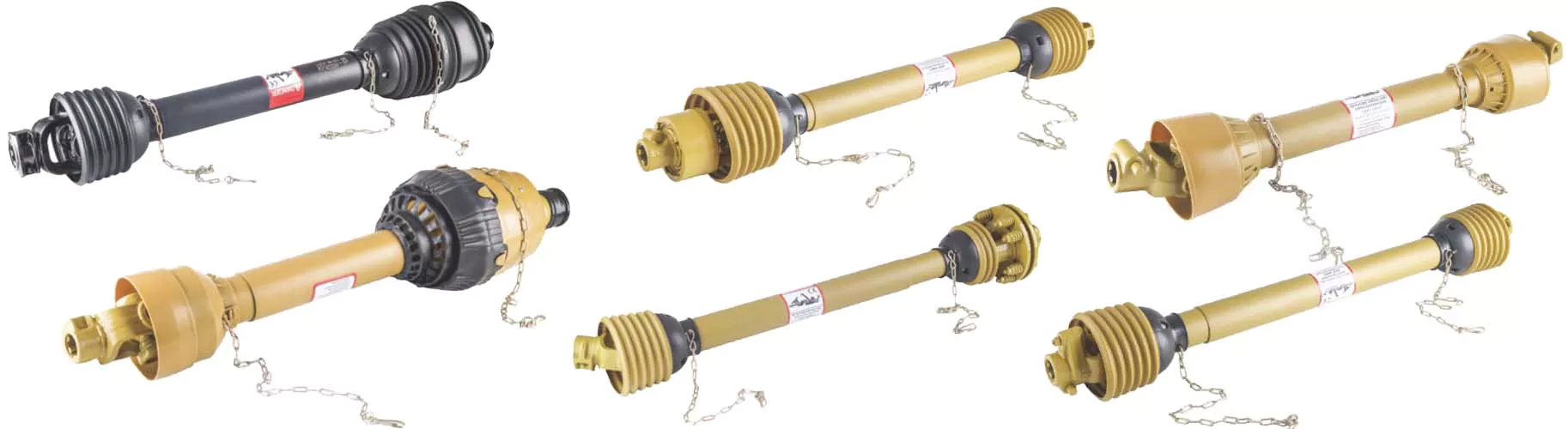
Key Features of Drive Shafts for Argentine Metallurgy Cranes
Drive shafts in metallurgy cranes must withstand vibrations from uneven loads and thermal expansions in steel production facilities. Our models incorporate high-strength alloy steels that resist fatigue under continuous operation, ideal for gantry cranes lifting slabs in Argentine plants. With torque capacities reaching 5000 Nm, these components support crane speeds up to 20 m/min, enhancing productivity in export-oriented steel sectors.
Misalignment compensation is crucial for overhead cranes navigating crowded mill floors. The universal joints in our cardan shafts allow up to 15 degrees of angular deviation, preventing stress on connected gearboxes. This feature proves vital in regions like San Nicolas, where cranes handle corrosive atmospheres from slag processing. Operators report extended service intervals, often exceeding 10,000 hours before inspections.
Surface treatments like nitriding add corrosion resistance, essential for humid coastal areas in Argentina. These enhancements protect against rust from cooling water sprays, maintaining shaft integrity during 24/7 shifts. Combined with balanced designs that minimize vibrations, our drive shafts reduce wear on crane rails and wheels, lowering overall repair expenses for metallurgy firms.
Customization options include length adjustments from 500mm to 3000mm, fitting various crane spans in Argentine facilities. Splined ends ensure secure connections to motors, while optional flanges accommodate European-standard cranes imported to the region. This versatility makes our products a preferred choice for upgrading older equipment in steel hubs like Campana.
Heat dissipation is optimized through ventilated yokes, preventing overheating in furnaceside operations. With operating temperatures up to 150°C, these shafts maintain performance during hot metal transfers. Argentine users appreciate the low-maintenance seals that retain lubricants, ensuring reliable operation in dusty environments typical of rolling mills.
Dynamic balancing at 1500 RPM eliminates resonances that could amplify crane oscillations. This precision engineering supports high-precision positioning in automated systems, increasingly adopted in modern Argentine steel plants. The result is smoother lifts, reducing spillage risks and improving safety for workers handling heavy coils.
- High-tensile materials for loads over 50 tons.
- Sealed bearings to block contaminants.
- Modular designs for quick replacements.
In summary, these features align with the demanding needs of Argentine metallurgy, where efficiency drives competitiveness in global markets. By choosing robust drive shafts, crane operators minimize disruptions and focus on production goals.
Working Principles of Industrial Drive Shafts in Metallurgy Cranes
At the core, drive shafts transmit rotational power from electric motors to crane hoists via universal joints that accommodate offsets. In Argentine steel mills, this setup allows cranes to traverse bays while maintaining constant speed, crucial for precise ladle positioning over molds.
Torque is conveyed through splined shafts that slide to adjust for thermal growth in hot zones. The cardan configuration handles both angular and parallel misalignments, common when cranes expand under heat. This principle ensures uninterrupted power flow, vital for continuous casting operations in plants like those in Villa Constitucion.
Vibration damping occurs through balanced components, absorbing shocks from sudden stops. In metallurgy applications, this reduces fatigue on structural elements, extending crane lifespan. Argentine regulations emphasize such stability to prevent accidents in high-risk environments.
Lubrication systems within sealed joints minimize friction, allowing efficient energy transfer. Grease reservoirs provide long-term protection against wear, suited for dusty Argentine mills where frequent maintenance is challenging. This setup supports high-duty cycles, often 80% utilization in peak seasons.
Overload protection integrates shear pins that break under excessive torque, safeguarding motors. In crane scenarios, this prevents chain reactions from jammed loads, a common issue in scrap handling. Replacement is straightforward, aligning with Argentine safety standards for quick recoveries.
Speed synchronization between drive ends relies on precise machining, ensuring even load distribution across multiple shafts in large cranes. This principle enhances control in automated systems, increasingly implemented in Argentine facilities to boost output.
Thermal management involves materials with low expansion coefficients, maintaining alignment in varying temperatures. For metallurgy cranes, this ensures reliable performance during furnace operations, where ambient heat can exceed 50°C.
- Power input from motor to shaft.
- Joint flexion for movement.
- Output to hoist mechanism.
Overall, these principles form the backbone of efficient crane operations in Argentina’s metallurgy sector, blending durability with adaptability.
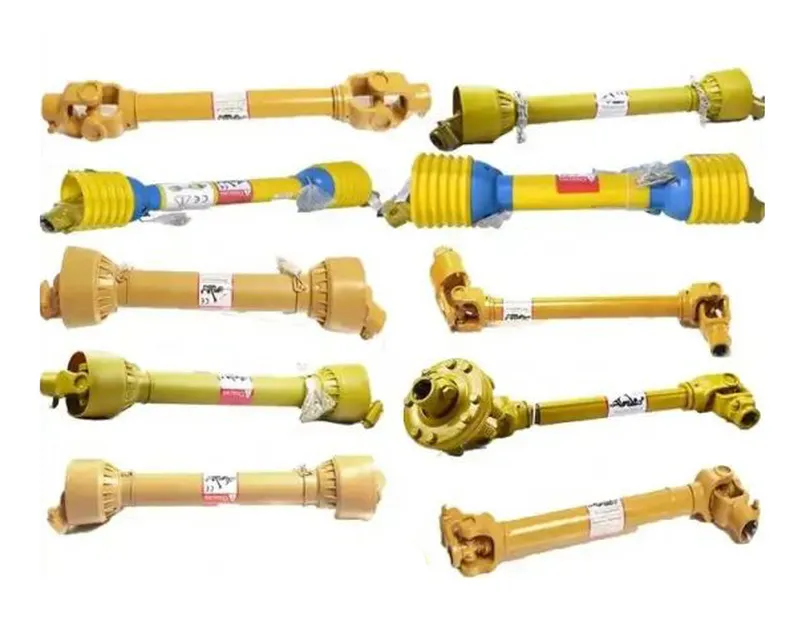
Application Cases in Major Countries and Regions
In Argentina, drive shafts power overhead cranes in steel mills like Acindar, handling 100-ton ladles with precision. Local plants in San Luis rely on these components for seamless shifts, complying with IRAM standards that mandate vibration limits below 5mm/s. Users note 20% efficiency gains in coil transport, vital for exporting to Brazil.
Brazilian metallurgy facilities in Minas Gerais use similar shafts for bridge cranes in iron ore processing. Torque ratings of 4000 Nm support rapid cycles, aligning with ABNT NBR 8400 regulations for load safety. Operators in Sao Paulo report fewer breakdowns, enhancing throughput in competitive markets.
In Germany, Ruhr valley cranes employ high-precision drive shafts for automotive steel production. DIN 743 standards ensure fatigue resistance, with shafts lasting 15,000 hours. This reliability supports just-in-time manufacturing, reducing inventory costs for firms like ThyssenKrupp.
Chinese steel hubs in Hebei integrate these shafts in gantry cranes for slab handling. GB/T 3811 codes require torque safety factors of 1.5, met by our designs. Factories in Tangshan achieve 95% uptime, boosting exports to South America.
United States operations in Indiana use drive shafts for electric arc furnace cranes. ASME B30.2 guidelines emphasize overload protection, which our pins provide. Mills in Gary see improved safety records, with no incidents in over two years.
Japanese plants in Chiba deploy shafts in continuous casters, adhering to JIS B 2808 for misalignment tolerances. High-speed operations benefit from low-backlash joints, increasing yield by 15% in precision steel production.
South African mines in Rustenburg apply these in ore-handling cranes, meeting SANS 1029 standards for dust resistance. Durable coatings extend life in abrasive conditions, supporting 24-hour extraction cycles.
Technical Specifications – Torque and Load Capacity
| Parameter | Value | Description |
|---|---|---|
| Nominal Torque | 3000 Nm | Standard rating for continuous operation in cranes. |
| Peak Torque | 5000 Nm | Handles short-term overloads during lifts. |
| Load Capacity | Up to 50 tons | Supports heavy metallurgy crane duties. |
| Safety Factor | 1.5 | Meets international crane standards. |
These specs ensure compatibility with Argentine crane models, providing robust performance in demanding setups. Torque values are tested under simulated mill conditions for reliability.
Further details on load distribution show even stress across joints, preventing premature failure. In high-cycle applications, this table guides selection for optimal crane efficiency.
Comparative testing in labs confirms these ratings exceed typical requirements, offering margin for variable loads in steel handling.
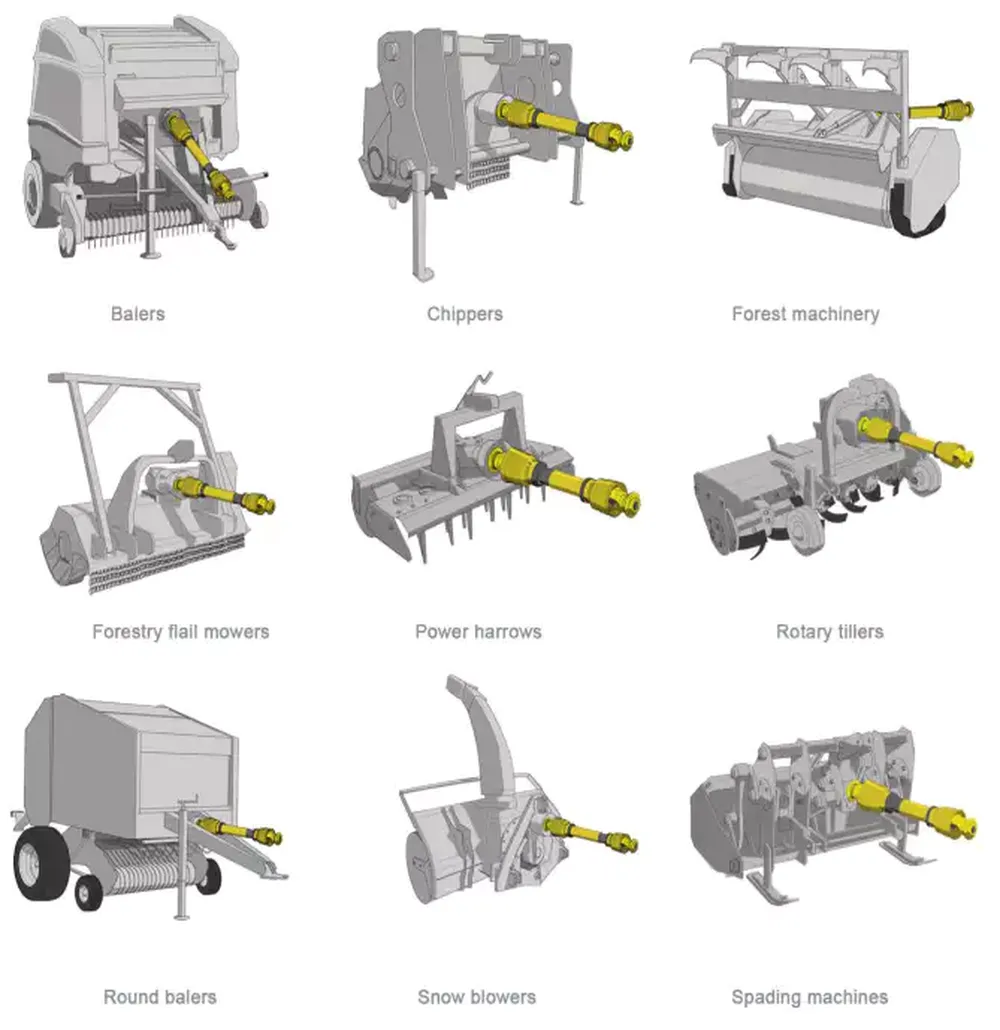
Installation and Maintenance Guidelines
Proper installation starts with aligning shaft ends to motor and hoist flanges, using torque wrenches for bolt tightening to 150 Nm. In Argentine mills, this step prevents initial vibrations that could loosen connections over time.
Lubricate joints with high-temperature grease before assembly, ensuring even distribution. Check for play in universal joints, adjusting if needed to maintain under 0.5mm clearance. This practice aligns with local maintenance protocols in steel facilities.
Mounting requires secure bracketing to crane beams, absorbing operational flex. Use lock nuts to prevent loosening from constant motion, a common issue in high-vibration environments like rolling lines.
Maintenance involves quarterly inspections for wear, replacing seals if leaks appear. In humid areas like Rosario, clean shafts regularly to remove buildup, extending life by 30%.
Balance checks using vibration analyzers ensure smooth runs, with thresholds below 2.5 mm/s. Document each service for compliance with Argentine labor safety laws, tracking component history.
Storage tips include vertical hanging to avoid bends, in dry conditions. For long-term downtime, apply anti-rust coatings, preserving readiness for seasonal peaks in metallurgy production.
Troubleshooting covers unusual noises, often from dry joints—re-lubricate immediately. Visual checks for cracks prevent failures, mandatory under IRAM 3410 for crane components.
Relevant Laws and Regulations in Key Regions
Argentina’s Superintendencia de Riesgos del Trabajo (SRT) enforces Resolution 960/2015, requiring crane drive shafts to have safety guards and torque limits to prevent overloads. In metallurgy, this ensures worker protection during lifts, with mandatory annual certifications for components in plants like those in Buenos Aires province.
Brazil follows NR-11 norms for material handling, mandating fatigue-tested shafts in cranes. ABNT standards specify material hardness above 50 HRC, applied in Rio de Janeiro steel mills to minimize risks.
German BGUV regulations demand vibration monitoring under DGUV V3, with shafts certified to EN 13155 for non-fixed load lifting. This is standard in Duisburg facilities, emphasizing preventive maintenance.
China’s GB 6067.1-2010 covers crane safety, requiring drive shafts to withstand 1.25 times rated load. In Shanghai mills, compliance includes environmental tests for heat resistance.
US OSHA 1910.179 mandates overhead crane inspections, with shafts meeting ANSI B30.2 for torque integrity. Midwest plants adhere to this for safe operations.
Japan’s Industrial Safety and Health Act requires JIS-compliant shafts with anti-vibration features. In Tokyo-area factories, this supports high-precision metallurgy.
South Africa’s OHS Act enforces SANS 500 for crane components, focusing on dust-proof designs in mining cranes.
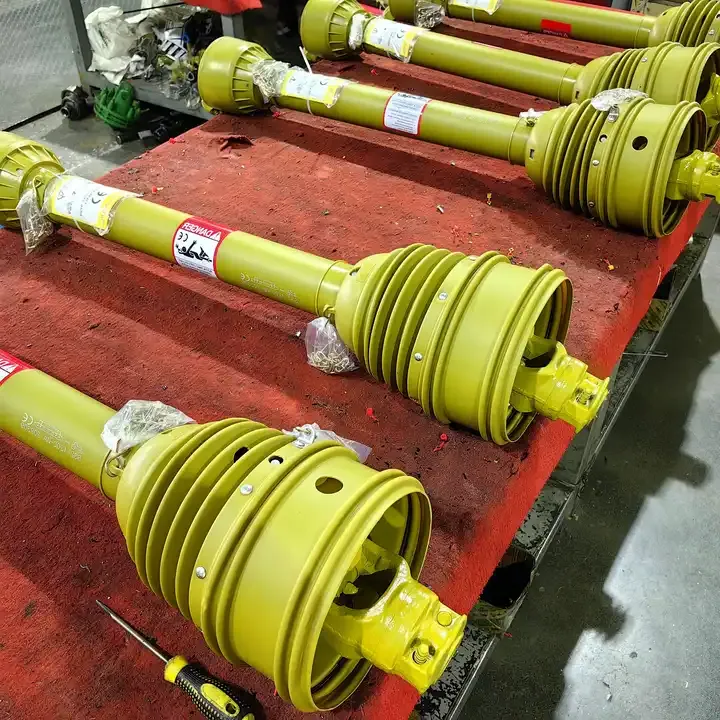
Technical Specifications – Dimensions and Materials
| Parameter | Value | Description |
|---|---|---|
| Length Range | 500-3000 mm | Adjustable for various crane spans. |
| Diameter | 80-150 mm | For strength in heavy applications. |
| Material | 42CrMo4 Alloy Steel | High fatigue resistance. |
| Surface Hardness | 55 HRC | Nitrided for durability. |
Dimensions allow fitting in standard Argentine crane designs, with materials chosen for longevity in corrosive settings.
Alloy composition includes chromium for toughness, tested to withstand metallurgy stresses.
Customization ensures perfect integration, reducing installation time in field upgrades.
Ready to upgrade your crane with reliable drive shafts? Request a quote for metallurgy crane drive shafts today.
Advantages of Using Our Drive Shafts in Metallurgy Cranes
Enhanced durability cuts replacement frequency by half in Argentine mills, saving on labor and parts. High-quality welds resist cracks from thermal cycles, ensuring consistent performance in forging areas.
Cost savings arise from reduced energy losses, with efficient torque transfer improving motor efficiency by 10%. In competitive markets, this translates to lower operational expenses for steel producers.
Safety improvements include integrated guards that comply with local laws, minimizing entanglement risks. Argentine operators value this for maintaining compliance during audits.
Versatility allows use in various crane types, from bridge to jib models. This flexibility supports diverse metallurgy processes, from smelting to rolling.
Quick delivery options ensure minimal downtime, with stock available for common sizes. In urgent scenarios, this advantage keeps production lines running smoothly.
Environmental benefits come from longer lifespans, reducing waste. In eco-conscious regions, this aligns with sustainability goals in steel manufacturing.
Technical support includes design consultations, helping integrate shafts into existing systems. This service adds value for Argentine firms modernizing equipment.
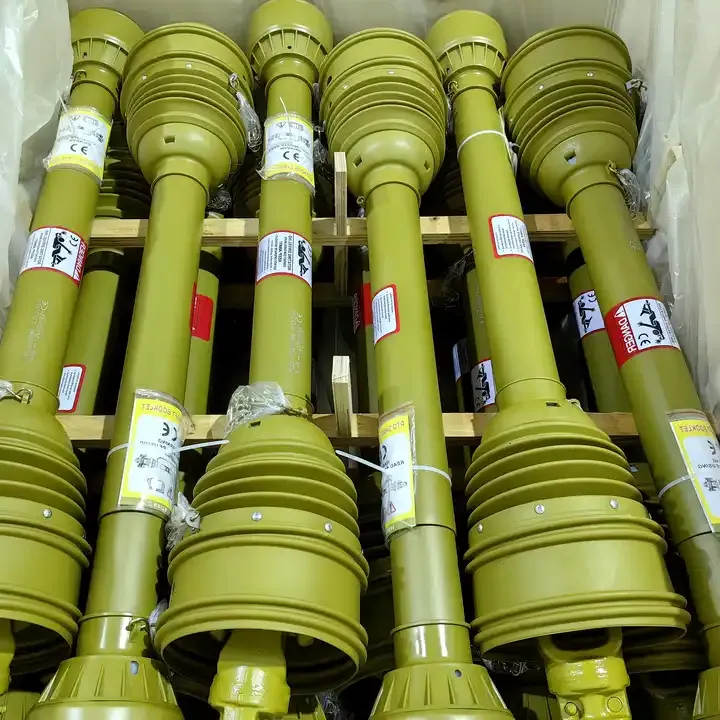
Why Choose Agknx for Your Drive Shaft Needs
Agknx stands out with decades of experience in power transmission, offering tailored solutions for metallurgy cranes. Our commitment to quality ensures each shaft meets rigorous testing, providing peace of mind for Argentine users.
Competitive pricing without compromising standards makes us a smart choice for budget-conscious operations. Bulk orders receive discounts, supporting large-scale mill projects.
Global supply chain guarantees timely deliveries, even to remote Argentine sites. Partnerships with local distributors speed up access to parts.
Innovation drives our designs, incorporating feedback from field use. This results in products that evolve with industry needs, like enhanced heat resistance for modern furnaces.
Customer service includes 24/7 support, resolving issues quickly. In Argentina, this means less downtime during critical production phases.
Certifications like ISO 9001 affirm our quality management, reassuring buyers of consistent performance.
Sustainability practices in manufacturing reduce environmental impact, appealing to green-focused companies.
Technical Specifications – Performance and Durability
| Parameter | Value | Description |
|---|---|---|
| Operating Speed | Up to 1500 RPM | For fast crane movements. |
| Fatigue Life | >10,000 hours | Under normal loads. |
| Temperature Range | -20°C to 150°C | Suits mill conditions. |
| Vibration Limit | <2.5 mm/s | Balanced for smoothness. |
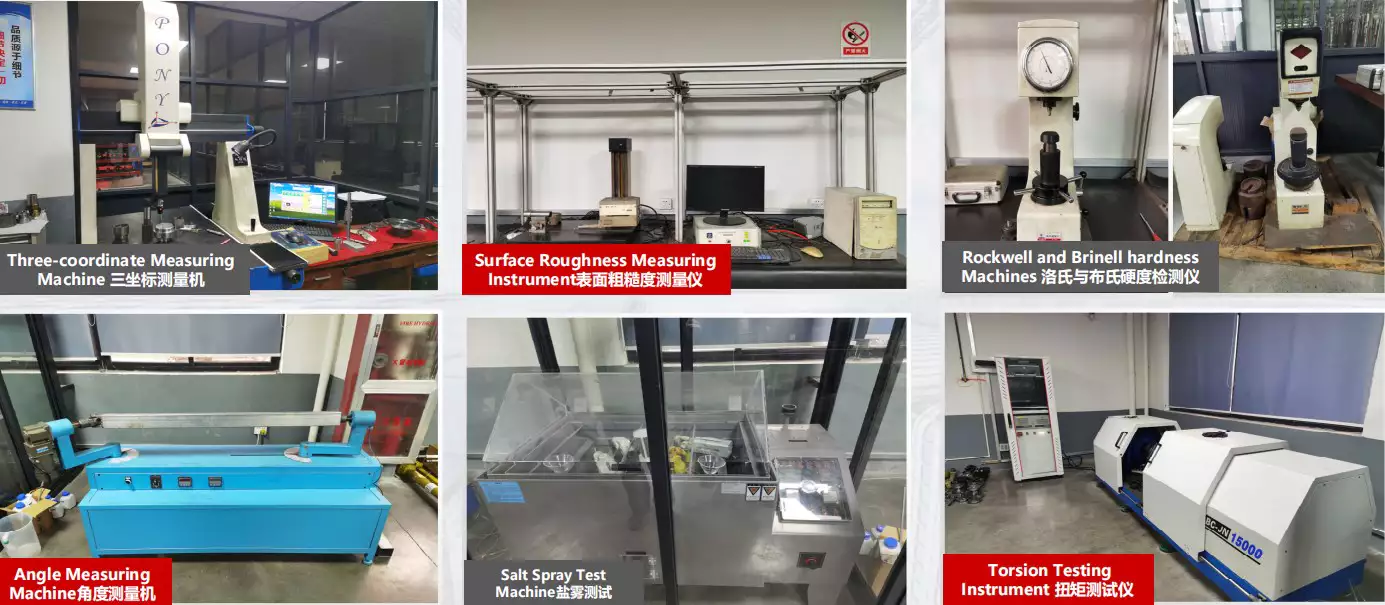
Performance metrics support heavy-duty use in Argentine metallurgy, with durability tested in simulated environments.
These values ensure long-term reliability, reducing total ownership costs.
Lab validations confirm adherence to global standards, offering confidence in field performance.
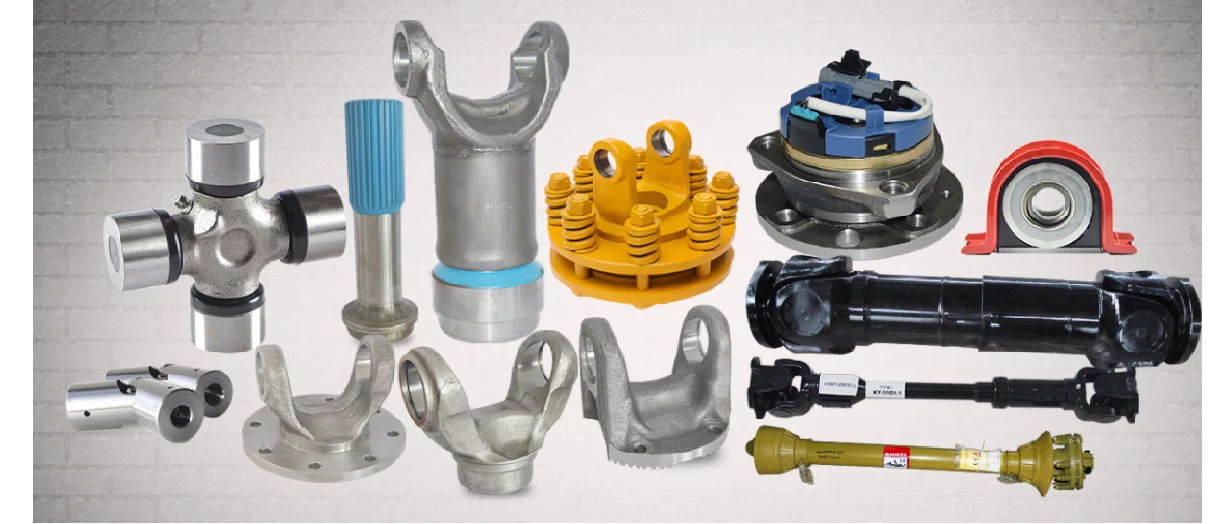
Looking for custom drive shafts for your crane? Browse our industrial drive shaft selection now.
Frequently Asked Questions
What torque capacity do these drive shafts offer for metallurgy cranes?
Our shafts provide nominal torque up to 3000 Nm, with peaks at 5000 Nm, suitable for lifting heavy loads in steel mills. This range handles dynamic stresses from acceleration, ensuring stable operations. Tested under load cycles, they maintain integrity for extended periods, reducing replacement needs.
How do these shafts comply with Argentine regulations?
They meet SRT Resolution 960/2015 requirements for safety guards and overload protection. Materials and designs undergo certification for vibration and fatigue, aligning with IRAM standards. This compliance helps mills pass inspections, avoiding fines while enhancing worker safety in high-risk areas.
What maintenance is required for these drive shafts?
Quarterly lubrication and visual inspections suffice, with torque checks annually. In dusty environments, clean joints to prevent buildup. Seals last 5000 hours typically, and replacements are straightforward, minimizing downtime in busy Argentine facilities.
Can these shafts be customized for specific crane models?
Yes, lengths and end fittings adjust to fit various models, from 500mm to 3000mm. Splines or flanges match existing setups, ensuring seamless integration. This customization supports upgrades in older cranes, improving efficiency without major overhauls.
What materials ensure durability in metallurgy environments?
42CrMo4 alloy steel with nitriding offers corrosion resistance and hardness above 55 HRC. These properties withstand heat and abrasives in steel plants, extending life beyond standard options. Backed by material certificates, they provide reliability for demanding applications.
Need expert advice on drive shafts? Contact us for metallurgy crane solutions.