
Farmers handling large-scale forage operations need components that stand up to daily demands. PTO shafts connect power sources to cutting mechanisms, ensuring smooth energy transfer. In Argentina’s diverse terrains, from pampas to river deltas, these shafts must handle variable loads without failure. Agknx offers models built for endurance, reducing downtime during peak harvest seasons.
Operators often face challenges like uneven ground or high moisture levels. Our shafts incorporate features like quick-disconnect yokes for easy maintenance. This helps in quick swaps when servicing harvesters. With rising fuel costs, efficient power delivery becomes key to cutting expenses. Users report better fuel economy when using well-matched shafts.
Material choices matter in humid areas. We use high-strength steel alloys resistant to corrosion. This extends service life in regions with frequent rains. Proper sizing prevents overloads, protecting both the shaft and harvester drivetrain. Matching shaft length to machine specs avoids vibrations that could lead to early wear.
Integration with modern harvesters includes compatibility with variable speed controls. This allows precise adjustments for different crop densities. In silvopastoral systems common in Argentina’s Delta, shafts support mixed farming by powering attachments reliably. Regular inspections catch issues early, keeping operations running.
Local dealers stock parts for fast replacements. This minimizes delays in critical periods. Training on installation ensures safe use. Agknx provides guides tailored to Argentine models. Feedback from users highlights ease of fitting, even in field conditions. Investing in quality shafts pays off through consistent performance year after year.
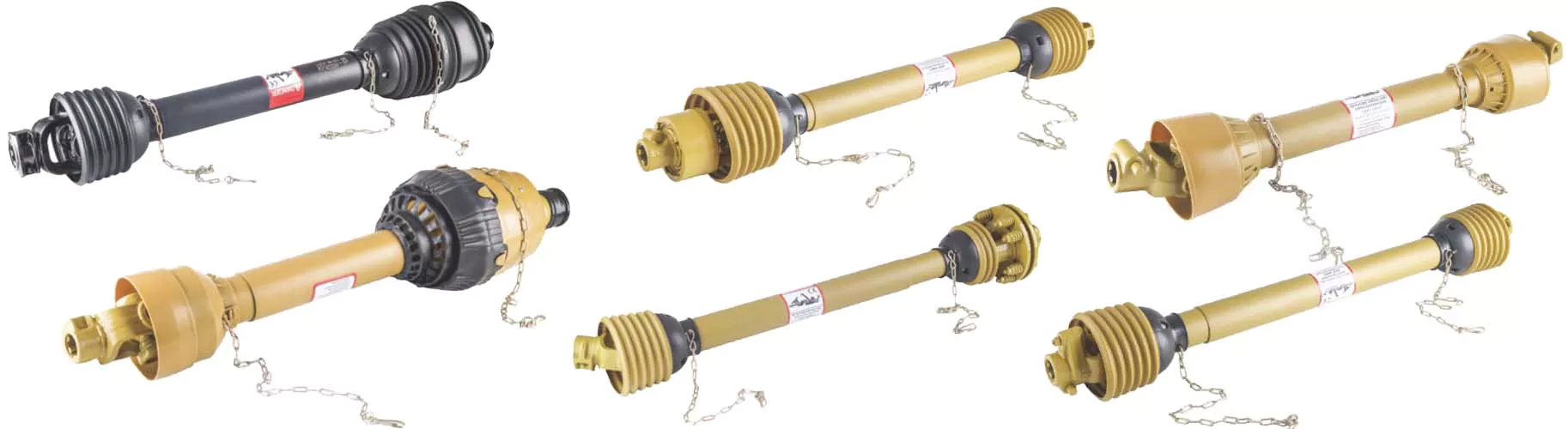
Key Features of PTO Shafts for Forage Harvesters
These shafts transmit rotational power from engines to headers. They feature universal joints for flexibility over rough ground. In Argentina, where fields vary in elevation, this joint design absorbs shocks effectively. Torque ratings range from 500 to 2000 Nm, suiting various harvester sizes. Higher ratings handle dense silage without slippage.
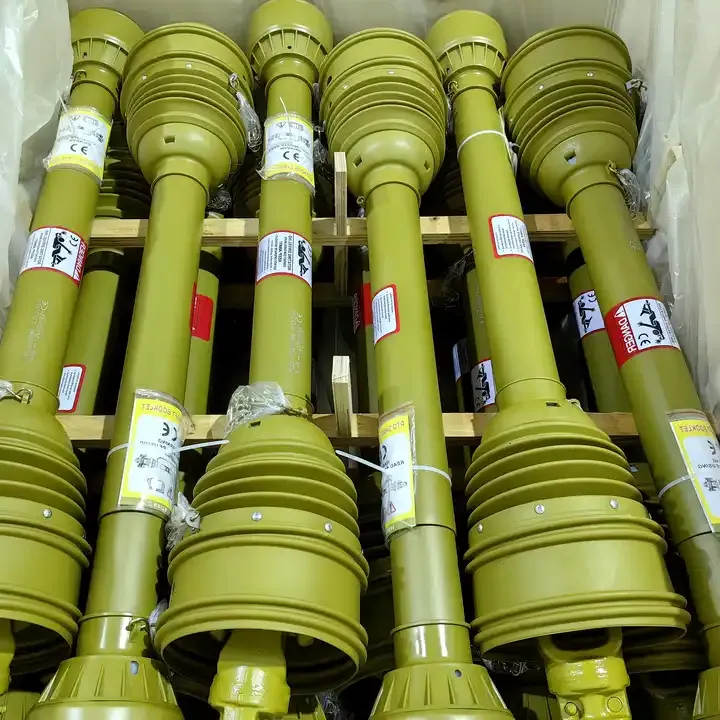
Safety guards enclose moving parts, meeting global standards. Plastic or metal shields prevent entanglements. Quick-release mechanisms allow easy access for lubrication. Grease fittings are positioned for convenience, extending bearing life. Splined ends ensure secure connections to PTO outputs.
Telescoping sections adjust length for different setups. This versatility fits multiple harvester brands. Anti-vibration dampers reduce noise during long runs. Heat-treated components withstand high speeds up to 1000 RPM. Powder coatings protect against rust in coastal areas.
Overrunning clutches prevent backdrive damage. When harvesters stop suddenly, clutches disengage smoothly. Shear bolts act as fuses, breaking under overload to safeguard gears. Replacement bolts are inexpensive and easy to install. Custom lengths available for specialized machines.
Balanced construction minimizes wobble at high RPMs. This improves fuel efficiency and reduces operator fatigue. Compatibility with hydraulic systems enhances control. In mixed crop environments, shafts support quick attachment changes. Durable yokes resist bending under heavy loads.
Maintenance kits include seals and bearings for on-site repairs. This keeps harvesters in the field longer. Users appreciate the modular design for upgrades. Adding constant velocity joints improves turning radius performance. Overall, these features boost productivity in demanding Argentine agriculture.
Field tests show reduced wear on connected components. This lowers long-term costs. Ergonomic handles on guards simplify inspections. Compliance labels confirm adherence to safety norms. For export-oriented farms, international certifications ease market access. Agknx focuses on reliability to support growing operations.
Innovation in materials like composite reinforcements lightens weight without sacrificing strength. This aids in better maneuverability. Sensor integration options monitor torque in real-time. Data helps optimize settings for specific crops. Sustainable practices include recyclable parts.
Partnering with local mechanics ensures expert support. Training sessions cover best practices. Feedback loops refine product designs. In Argentina’s competitive market, superior features set our shafts apart. Farmers gain confidence in equipment that performs consistently.
| Parameter | Specification |
|---|---|
| Torque Rating | 500-1500 Nm |
| Speed | 540/1000 RPM |
| Length Range | 1000-2000 mm adjustable |
| Yoke Type | Quick disconnect, 6-spline |
| Material | High-strength steel alloy |
Extended warranties cover defects for peace of mind. Bulk orders receive discounts for large farms. Customization options include color coding for identification. These enhancements streamline fleet management. In summary, our shafts deliver value through robust engineering.
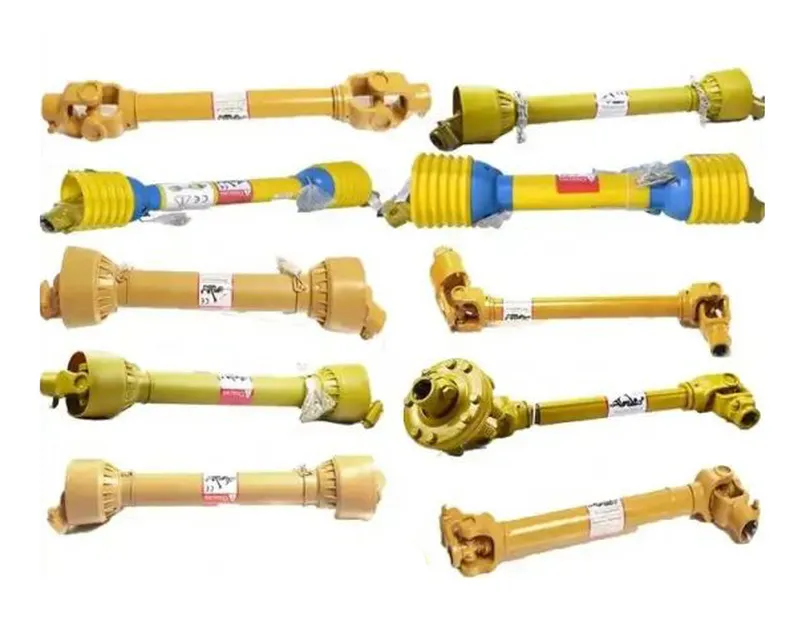
Working Principle of PTO Shafts in Harvesters
PTO shafts convert engine rotation into mechanical power for attachments. The tractor’s power take-off spins the shaft at set speeds. Universal joints allow angular movement without power loss. In forage harvesters, this drives rotors and blowers.
Telescopic tubes extend or contract during turns. This maintains constant velocity. Clutches engage gradually to avoid shocks. Torque limiters protect against jams by slipping. Sensors detect overloads, alerting operators promptly.
Bearings reduce friction for efficient transfer. Lubrication points ensure smooth operation. In Argentina’s hot climates, heat dissipation is crucial. Ventilated designs prevent overheating. Proper alignment minimizes energy waste.
During harvest, shafts handle variable loads from crop density. Adaptive features adjust automatically. This optimizes cutting efficiency. Maintenance involves checking for play in joints. Replacing worn parts prevents breakdowns.
Integration with control systems allows speed modulation. For silage, lower speeds preserve quality. Higher speeds suit dry forage. Safety interlocks stop power if guards open. This complies with regulations.
Field conditions test durability. Mud and debris require sealed components. Quick-clean designs save time. In Delta regions, water-resistant seals are essential. Users note improved throughput with reliable shafts.
Engineering focuses on balance for vibration-free runs. This extends machine life. Custom profiles match specific harvester models. Testing under load simulates real use. Results guide improvements.
Efficiency gains translate to cost savings. Less fuel per ton harvested. Reduced repairs lower overheads. In competitive markets, these edges matter. Agknx shafts embody practical innovation for daily farming.
Understanding principles aids selection. Match shaft to power output. Oversizing wastes resources. Undersizing risks failure. Consultants help with calculations. Proper use maximizes benefits.
In summary, PTO shafts are vital links in harvest chains. Their design ensures seamless power flow. For Argentine farmers, they enable productive seasons.
Advanced models include electronic monitoring. Data logs usage for predictive maintenance. This prevents unexpected stops. Wireless connections integrate with farm software. Insights drive better decisions.
Sustainable materials reduce environmental impact. Recyclable alloys support green initiatives. Low-noise operation benefits operators. Ergonomic features ease handling. Overall, principles evolve with technology.
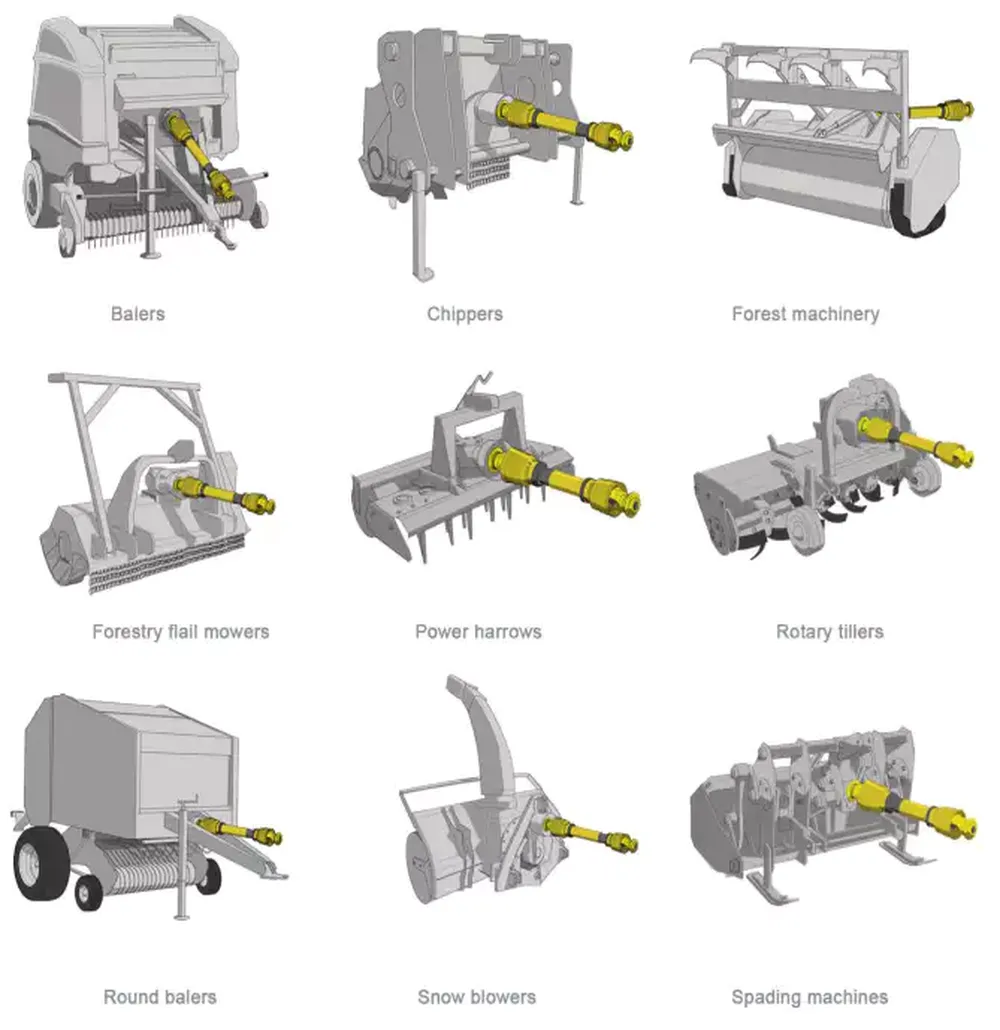
Applications and Case Studies in Key Regions
In Argentina, self-propelled forage harvesters equip large dairy farms in the Pampas. PTO shafts power cutting heads for alfalfa and maize silage. One case in Buenos Aires province involved a 500-hectare operation. They upgraded to high-torque shafts, boosting daily output by 15 percent. Harsh weather tested durability, but shafts held up, reducing maintenance calls.
Local mechanics praise easy installation. In Santa Fe, a cooperative shared harvesters among members. Shafts with quick yokes sped swaps. This maximized machine use during short windows. Yields improved, supporting export goals. Compliance with SENASA standards ensured safe operations.
Brazil’s Mato Grosso uses similar setups for soybean forage. A 1000-hectare farm reported fewer breakdowns after switching shafts. Torque limiters prevented damage from rocks. Neighboring Uruguay focuses on grass silage. In Rocha department, shafts handled coastal humidity well. Farmers noted longer intervals between greasing.
In Chile’s central valley, vineyards use harvesters for prunings. PTO shafts drive mulchers efficiently. A case study showed 20 percent fuel savings. Paraguay’s Chaco region deals with dry conditions. Dust-resistant seals proved vital. Operators appreciated vibration reduction for comfort.
Bolivia’s altiplano presents altitude challenges. Shafts maintained power at high elevations. A quinoa farm adapted harvesters successfully. Regional differences highlight adaptability. In Argentina’s Delta, silvopastoral systems integrate trees and pasture. Shafts support mixed harvesting without issues.
Case from Córdoba: A fleet of ten harvesters used uniform shafts. Standardization cut inventory costs. Training focused on safety, reducing incidents. Economic benefits included higher resale values for well-maintained machines. Community feedback drove product refinements.
Cross-border operations in Mercosur benefit from compatible standards. Shafts meet ISO requirements, easing trade. In wet seasons, anti-corrosion features shine. Users in Entre Ríos reported seamless performance in floods. This reliability supports family farms scaling up.
Technological integration grows. GPS-linked harvesters optimize paths, stressing shafts less. A study in La Pampa showed extended life spans. Environmental regs push cleaner ops. Efficient shafts aid compliance by lowering emissions per ton.
Partnerships with dealers ensure availability. In Patagonia, remote farms rely on stock. Quick deliveries keep harvests on track. Success stories spread via associations. Agknx shafts gain traction through proven results.
Future trends include smarter monitoring. Sensors flag wear early. In Argentina’s innovative sector, adoption rises. Cases demonstrate value across scales. From small holdings to agribusiness, benefits accrue.
- Argentina Pampas: Increased silage production
- Brazil Cerrado: Rock-resistant performance
- Uruguay Coast: Humidity tolerance
These examples underscore regional versatility. Tailored solutions address specific needs. Agknx commits to supporting Latin American agriculture.
| Advanced Parameter | Detail |
|---|---|
| Joint Angle | Up to 30 degrees |
| Clutch Type | Overrunning with shear bolt |
| Balance Rating | G6.3 at 1000 RPM |
| Lubrication Interval | Every 8 hours |
| Weight | 25-40 kg depending on length |
Explore more options on our home page for PTO shafts. For custom needs, get in touch to buy PTO shaft for harvester.
Safety Standards and Regulations in Major Markets
Argentina enforces strict rules through SENASA for agricultural machinery. PTO shafts must comply with ISO 5673 for power take-off positions. This ensures interoperability. Safety guards are mandatory per Decree 563, preventing accidents. Inspections check for proper shielding.
In Brazil, ABNT standards align with ISO. Torque limiters are required for high-power harvesters. Environmental laws like CONAMA resolutions limit emissions, indirectly affecting shaft efficiency. Compliance certificates are needed for imports.
Uruguay’s MGAP oversees certifications. Shafts must meet ASABE S203 for guards. Road transport regs require signaling for slow vehicles. This protects public safety. Annual audits verify adherence.
Chile mandates INTI approvals for machinery. PTO designs follow ISO 8909 for forage harvesters. Worker safety laws demand training on shaft use. Fines apply for non-compliance.
Paraguay adopts Mercosur norms. Harmonized standards ensure cross-border compatibility. Environmental policies promote sustainable farming, favoring efficient shafts. Local assemblies must pass tests.
Bolivia’s IBCE certifies imports. High-altitude ops require robust designs. Labor laws emphasize accident prevention. Shafts with fail-safes meet requirements.
Global trends influence local rules. EU CE marks guide exports. In Argentina, updates to phytosanitary regs affect harvest practices. Shafts aid compliance by enabling precise applications.
Training programs cover regs. Associations offer courses. This builds awareness. Penalties for violations include equipment seizures. Proactive compliance avoids disruptions.
Agknx shafts exceed standards. Built-in features like auto-disengage enhance safety. Documentation supports audits. In regulated markets, this provides assurance.
Evolving laws address new tech. Sensor-equipped shafts align with digital farming mandates. Argentina’s push for sustainability favors low-impact components. Staying informed ensures ongoing compliance.
- ISO 5673: PTO drive shafts
- ASABE S203: Guards
- SENASA Decree 563: Safety
These frameworks protect users and environments. Agknx prioritizes adherence for reliable products.
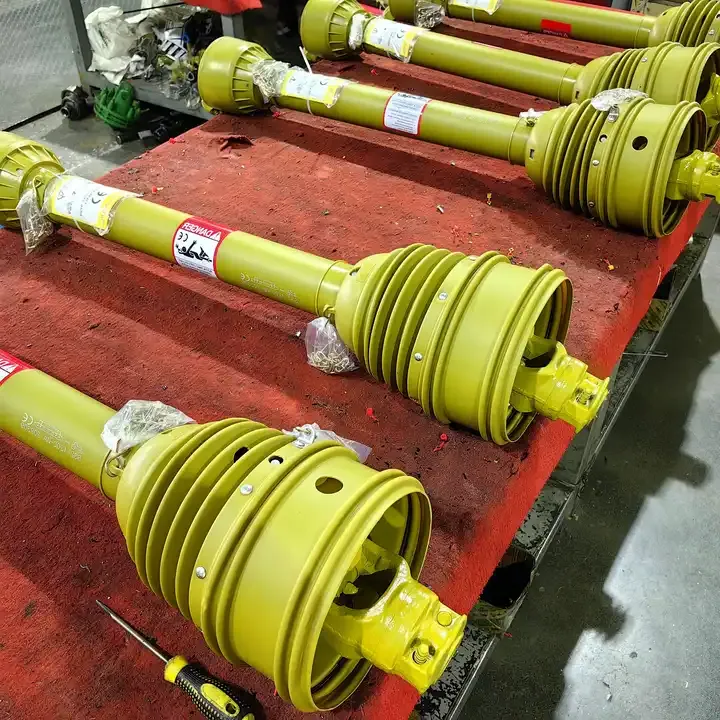
Advantages of Using Agknx PTO Shafts
Durability stands out in tough conditions. Shafts resist bending and twisting under load. This reliability keeps harvesters running. Cost savings come from fewer replacements. Farms save on parts and labor.
Efficiency improves with low-friction designs. Power loss is minimal, boosting harvest rates. In Argentina’s expansive fields, this means more acres covered daily. Fuel consumption drops accordingly.
Safety enhancements protect operators. Integrated guards and limiters prevent injuries. Compliance with local laws avoids fines. Peace of mind allows focus on production.
Versatility fits various models. Adapters ensure compatibility. This flexibility suits mixed fleets. Quick changes reduce setup time.
Support services include expert advice. Custom solutions address unique needs. Warranty coverage builds trust. Long-term partnerships foster growth.
Environmental benefits include reduced waste. Long-lasting shafts mean less disposal. Efficient ops lower emissions. This aligns with sustainable practices.
User feedback highlights ease of use. Intuitive designs simplify maintenance. This empowers small operators. Community endorsements spread reputation.
Innovation drives continuous improvement. New materials enhance performance. R&D invests in future-proofing. Customers gain cutting-edge tech.
Economic edges in competitive markets. Higher yields boost income. Scalability supports expansion. Agknx shafts contribute to prosperity.
In summary, advantages span operational, financial, and safety realms. Choosing Agknx elevates farming efficiency.
Regional adaptations cater to climates. Corrosion resistance suits humid areas. Heat tolerance handles summers. This localization maximizes value.
Training resources educate users. Guides cover installation and care. This extends product life. Knowledge transfer empowers communities.
| Safety Parameter | Feature |
|---|---|
| Guard Material | High-impact plastic |
| Torque Limiter | Adjustable shear bolt |
| Certification | ISO 5673 compliant |
| Interlock | Auto-stop on guard removal |
| Visibility | Reflective labels |
Why Choose Agknx for Your PTO Shaft Needs
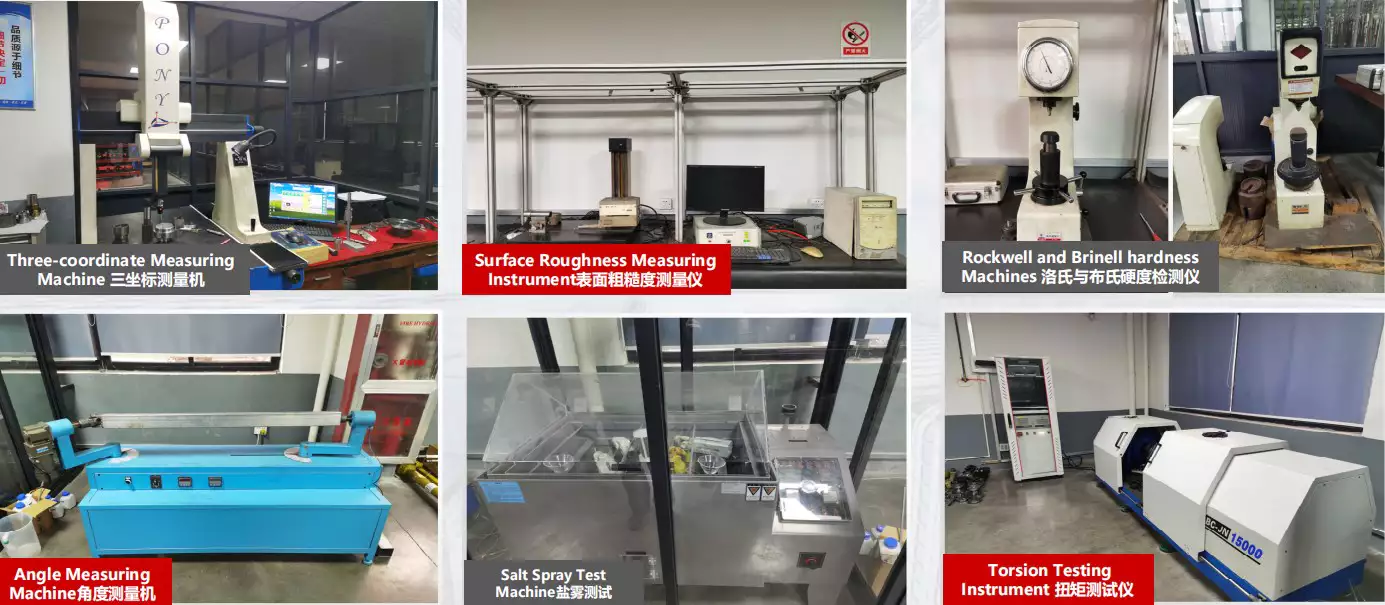
Agknx stands out with decades of experience in agricultural components. Our shafts undergo rigorous testing for quality. This ensures they meet demanding standards. Customer service responds quickly to inquiries. We prioritize your success.
Competitive pricing makes upgrades affordable. Bulk discounts benefit larger operations. Fast shipping keeps you operational. In Argentina, local warehouses speed delivery.
Customization options fit unique requirements. From length to torque, we adapt. This personalization maximizes efficiency. Technical support guides selections.
Commitment to innovation brings latest advancements. R&D focuses on durability and performance. Users gain from ongoing improvements. Sustainability guides our practices.
Global network provides insights. We learn from diverse markets. This enriches product offerings. Partnerships with manufacturers ensure compatibility.
Positive reviews highlight reliability. Farms report fewer issues. This builds loyalty. Agknx invests in relationships for long-term value.
Easy online ordering simplifies procurement. Secure payments protect transactions. Track shipments in real-time. Convenience enhances experience.
Educational resources empower users. Webinars cover maintenance tips. Knowledge boosts productivity. Community forums share best practices.
In summary, choosing Agknx means partnering for success. Our dedication shows in every product.
Maintenance Tips for Long-Lasting Performance
Regular lubrication prevents wear. Use recommended greases every 8 hours. This keeps joints moving freely. Inspect guards for cracks daily. Replace damaged ones immediately.
Check spline wear periodically. Clean debris to avoid abrasion. Store shafts indoors when not in use. This protects from weather. Balance checks ensure smooth operation.
Torque bolt inspections catch looseness. Tighten to specs. Monitor vibrations for early signs. Address issues promptly. Professional servicing extends life.
In humid areas, apply anti-rust sprays. This maintains integrity. Record maintenance for patterns. Adjust schedules based on usage. Training teams on procedures reduces errors.
Upgrade components as needed. Newer designs improve efficiency. Consult manuals for guidelines. Proper storage positions prevent bending. These habits maximize longevity.
Seasonal prep includes full checks. This readies equipment for peaks. Cost-effective practices save money. Agknx provides kits for convenience.
In Argentina’s variable climates, adaptive care matters. Dry seasons demand dust protection. Wet periods focus on seals. Tailored approaches yield best results.
Documentation tracks performance. Logs help predict needs. Sharing knowledge builds team skills. Consistent care ensures reliable harvests.
Environmental factors influence routines. Adjust for soil types. This optimizes outcomes. Maintenance is investment in future productivity.
In conclusion, diligent care pays dividends. Follow tips for enduring performance.
For inquiries, request a custom quote for forage harvester PTO shaft.
Frequently Asked Questions
What torque rating suits my harvester? Match to engine output, typically 500-2000 Nm. Check model specs for precision. Oversizing provides margin for dense crops. Consult our team for recommendations based on your setup.
How do I install the PTO shaft safely? Align splines carefully, secure yokes with pins. Attach guards fully. Test at low speed first. Ensure length adjusts for turns without binding. Follow ISO guidelines to avoid risks.
Are these shafts compliant with Argentine laws? Yes, they meet SENASA and ISO 5673 standards. Safety features like limiters align with Decree 563. Documentation included for inspections. This ensures legal operation in local farms.
What maintenance is required? Lubricate every 8 hours, inspect guards daily. Clean splines after use. Store properly to prevent damage. Annual professional checks recommended for optimal life.
Can I customize for my region? Absolutely, options include length adjustments and corrosion resistance for humid areas like the Delta. We tailor to your harvester model and conditions for best fit.
Visit our PTO shaft collection for more details.