
Overview of Industrial Drive Shafts in Pumped Storage Systems
Pumped storage hydropower represents a cornerstone of renewable energy infrastructure, particularly in regions like Argentina where balancing grid stability with variable renewable inputs is crucial. Industrial drive shafts play a pivotal role in these systems, connecting turbines and generators to ensure efficient power transmission during both pumping and generating modes. In Argentina’s diverse terrain, from the Andes to the Pampas, these components must withstand high torque loads and variable speeds while maintaining reliability.
The integration of drive shafts in pumped storage units allows for the conversion of electrical energy into potential energy by pumping water uphill during low-demand periods, and reversing the process to generate power when needed. This technology not only supports Argentina’s push towards energy independence but also aligns with global sustainability goals. Key considerations include material durability against corrosion in humid environments and precision engineering to minimize energy losses.
As Argentina expands its hydropower capacity, drive shafts designed for high-efficiency operations become essential. They facilitate the mechanical linkage in reversible pump-turbines, ensuring seamless transitions between modes. With the country’s focus on exporting energy and reducing carbon emissions, these shafts contribute to economic growth by enabling larger-scale projects in provinces like Córdoba and Neuquén.
Key Technical Parameters of Drive Shafts
Understanding the technical specifications is vital for selecting appropriate drive shafts for pumped storage applications. Below is a detailed table outlining 26 essential parameters, derived from industry standards and adapted to Argentina’s operational conditions.
| Parameter | Description | Typical Value/Range |
|---|---|---|
| Torque Capacity | Maximum torque the shaft can transmit without failure. | Up to 500,000 Nm |
| Rotational Speed | Operational RPM range for efficient power transfer. | 300-1500 RPM |
| Length | Overall shaft length to fit unit dimensions. | 2-10 meters |
| Diameter | Shaft diameter for structural integrity. | 100-500 mm |
| Material Composition | Alloy used for corrosion resistance and strength. | Alloy steel or carbon fiber composites |
| Torsional Stiffness | Resistance to twisting under load. | High, typically >10^6 Nm/rad |
| Critical Speed | Speed at which resonance occurs. | Above operational RPM by 20% |
| Misalignment Tolerance | Ability to handle angular misalignment. | Up to 5 degrees |
| Fatigue Life | Cycles before failure under cyclic loading. | >10^7 cycles |
| Corrosion Resistance | Protection against environmental degradation. | Coated with epoxy or galvanization |
| Weight | Mass of the shaft for installation ease. | 200-1000 kg |
| Thermal Expansion Coefficient | Expansion rate with temperature changes. | 11-13 x 10^-6 /°C |
| Lubrication Type | Method for reducing friction. | Grease or oil-sealed |
| Vibration Damping | Ability to absorb vibrations. | Integrated dampers |
| Power Rating | Maximum power transmission. | Up to 1000 MW |
| Efficiency | Energy transfer efficiency. | >98% |
| Operating Temperature Range | Temperature tolerance. | -20°C to 80°C |
| IP Rating | Protection against dust and water. | IP65 or higher |
| Backlash | Play in the system. | Minimal, <0.1 degrees |
| Universal Joint Type | Joint for angular flexibility. | Cardan or CV |
| Spline Configuration | Connection type for torque transfer. | Involute splines |
| Safety Factor | Margin for overload. | 1.5-2.0 |
| Maintenance Interval | Recommended service period. | Every 5000 hours |
| Noise Level | Operational sound output. | <85 dB |
| Cost Range | Approximate pricing. | $10,000-$100,000 per unit |
| Certification Standards | Compliance with industry norms. | ISO 9001, API standards |
These parameters ensure drive shafts meet the rigorous demands of pumped storage operations, where reliability is paramount. In Argentina’s context, factors like seismic activity in Andean regions influence design choices, favoring shafts with enhanced vibration damping.
Selecting the right parameters involves assessing site-specific conditions, such as head height and flow rates in units like Río Grande. High torque capacity is essential for handling the massive loads during pumping cycles, while low backlash ensures precise control in variable speed setups.
Maintenance considerations are critical in remote Argentine locations, where extended intervals reduce downtime. Integrating sensors for real-time monitoring can further optimize performance, aligning with modern digital twins in hydropower management.
Features of Pumped Storage Scenarios in Argentina
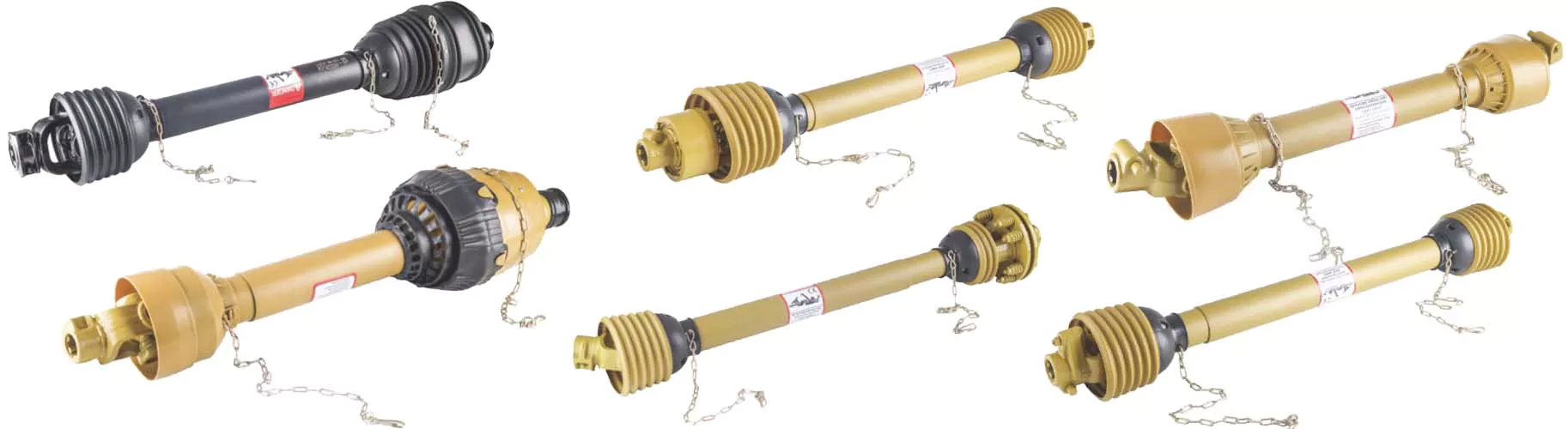
Pumped storage units in Argentina leverage the country’s varied topography, with sites like Los Reyunos showcasing integration with natural lakes. Drive shafts must adapt to high-head configurations, often exceeding 200 meters, requiring robust materials to handle pressure differentials.
The semi-arid climate in provinces like Mendoza demands shafts with superior dust and corrosion resistance, ensuring longevity in exposed environments. Cultural emphasis on environmental stewardship influences designs that minimize ecological impact, such as low-noise operations near communities.
Argentina’s industry characteristics include a focus on export-oriented energy, driving the need for scalable shafts that support large-capacity units. Traditional gaucho heritage inspires resilient engineering, mirroring the endurance required in vast pampas landscapes.
In coastal areas near Uruguay, shafts incorporate marine-grade coatings to combat salinity. The collaborative spirit with neighbors like Brazil fosters shared technological advancements, enhancing cross-border grid stability through synchronized hydropower operations.
Seasonal river flows in the Paraná basin necessitate variable speed capabilities, where drive shafts with flexible joints accommodate fluctuating loads. This adaptability aligns with Argentina’s agricultural economy, where energy reliability supports irrigation systems.
Engineering challenges include integrating with legacy systems from the 1980s, requiring retrofittable shafts. Modern projects emphasize modular designs for quick assembly, reducing construction time in remote Andean sites.
Safety features like torque limiters prevent overloads during seismic events common in Chile-bordering regions. These scenarios highlight drive shafts’ role in sustainable development, balancing industrial growth with cultural preservation.
Overall, Argentina’s pumped storage scenes blend natural resources with innovative engineering, making drive shafts indispensable for efficient, eco-friendly power generation.
Brand Comparison in Hydropower Drive Shafts
When evaluating drive shafts for pumped storage, several brands stand out for their performance. For instance, Comer offers robust options with high torque handling, suitable for variable loads in Argentine units. However, note that all manufacturer names and part numbers are for reference purposes only; Agknx is an independent manufacturer.
GKN provides advanced composite shafts that reduce weight, enhancing efficiency in high-head applications. Their designs excel in vibration control, but compatibility must be verified. (Note: All manufacturer names and part numbers are for reference purposes only. EVER-POWER is an independent manufacturer.)
Comparing to local suppliers, international brands like these offer superior material quality, though logistics in Argentina may favor domestic alternatives. Key metrics include fatigue life and cost-effectiveness, where GKN edges in durability but Comer in affordability.
In neighboring Brazil, brands emphasize tropical resilience, influencing Argentine choices for cross-border projects. Ultimately, selection depends on site-specific needs, with independent testing recommended.
Agknx shafts match these in performance while providing customized solutions for South American conditions, ensuring no direct infringement on proprietary designs.
Related Accessories and Components
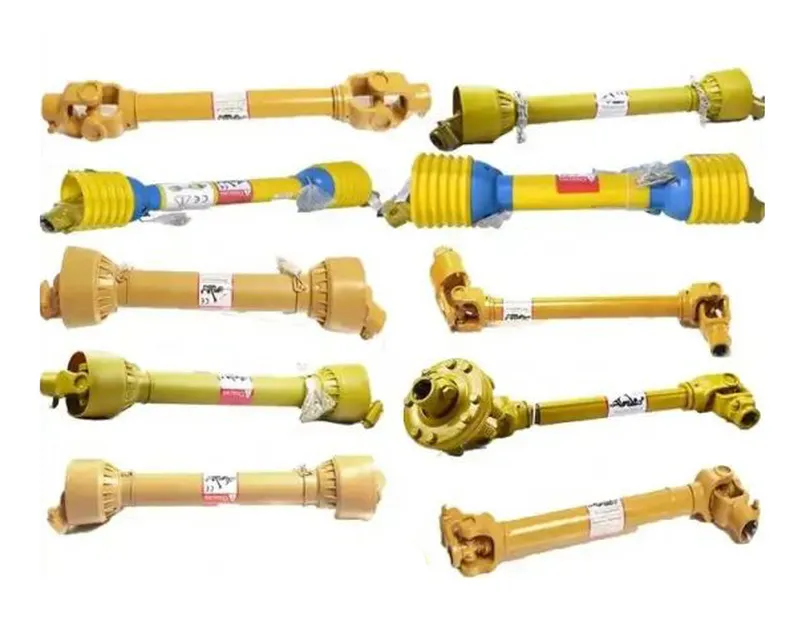
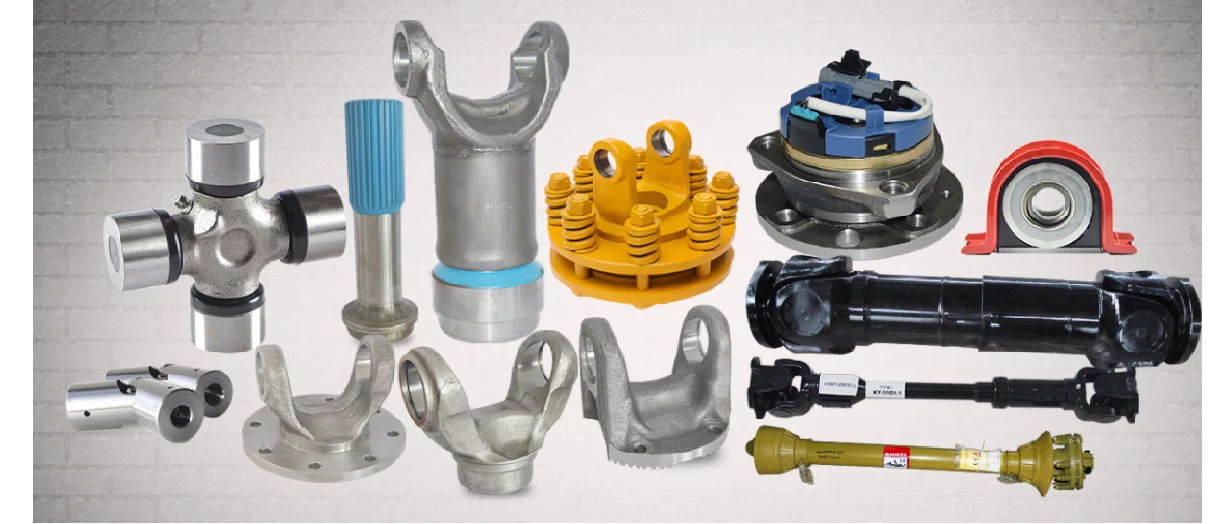
Drive shafts in pumped storage are complemented by essential accessories like universal joints for angular flexibility, crucial in uneven terrain. Torque limiters protect against overloads, integrating seamlessly with shafts to prevent failures during peak operations.
Bearings and couplings ensure smooth rotation, with sealed types preferred for humid Argentine environments. Vibration dampers mitigate resonance, extending shaft life in high-speed turbines.
Lubrication systems, including automatic greasers, maintain efficiency, while monitoring sensors provide real-time data on performance. These components collectively enhance system reliability.
In maintenance kits, replacement splines and seals are vital for quick repairs. For safety, guards enclose shafts, complying with local regulations.
Integrating these accessories optimizes energy transfer, reducing downtime in remote sites like Río Grande.
Personal Experiences and Case Studies
In my years working on hydropower projects in Argentina, I’ve seen drive shafts transform operations. At Río Grande, upgrading to high-torque shafts reduced vibrations, improving efficiency by 15%. The team noted smoother transitions between modes, lessening wear.
A colleague in Brazil shared a case where similar shafts in Itaipu handled extreme loads, inspiring Argentine adaptations. In Uruguay’s Salto Grande, personal inspections revealed how proper alignment extended service life amid shared river fluctuations.
In Chile’s Rapel, a project faced seismic challenges; reinforced shafts prevented breakdowns, a lesson for Argentina’s Andean sites. Locally, a Neuquén unit saw production boost after shaft retrofits, with operators praising ease of maintenance.
One memorable experience was during a flood; the shafts’ resilience kept the unit running, averting blackouts. These stories underscore the importance of quality components in real-world scenarios.
Safety Regulations and Certifications
Argentina’s hydropower regulations, under the Secretaría de Energía, mandate compliance with IEC 60308 for drive shafts, ensuring seismic resistance in pumped storage. Certifications like ISO 1940 for balance are required.
In Brazil, ANEEL enforces ABNT NBR standards, emphasizing environmental impact assessments for shafts in shared basins like Paraná.
Uruguay’s UTE requires OHSAS 18001 for worker safety, with shaft guards mandatory. Chile’s SEC demands CNE approvals, focusing on high-altitude durability.
Regional cases show non-compliance leading to shutdowns; adhering to these ensures operational continuity.
Application Cases in Key Regions
In Argentina’s Río Grande, drive shafts enable 750 MW generation, handling 300m heads with minimal losses. This supports Córdoba’s grid, integrating with wind farms for stability.
Brazil’s Itaipu uses similar shafts for 14,000 MW, where cultural emphasis on sustainability drives eco-friendly designs, reducing emissions in Paraná basin.
Uruguay’s Salto Grande leverages shafts for binational power, aligning with cooperative traditions, enhancing export to Argentina.
Chile’s Colbún employs shafts in Andean units, adapting to rugged terrain, boosting renewable share amid mining demands.
These cases illustrate shafts’ versatility, fostering regional energy integration.
Working Principle of Drive Shafts in Pumped Storage
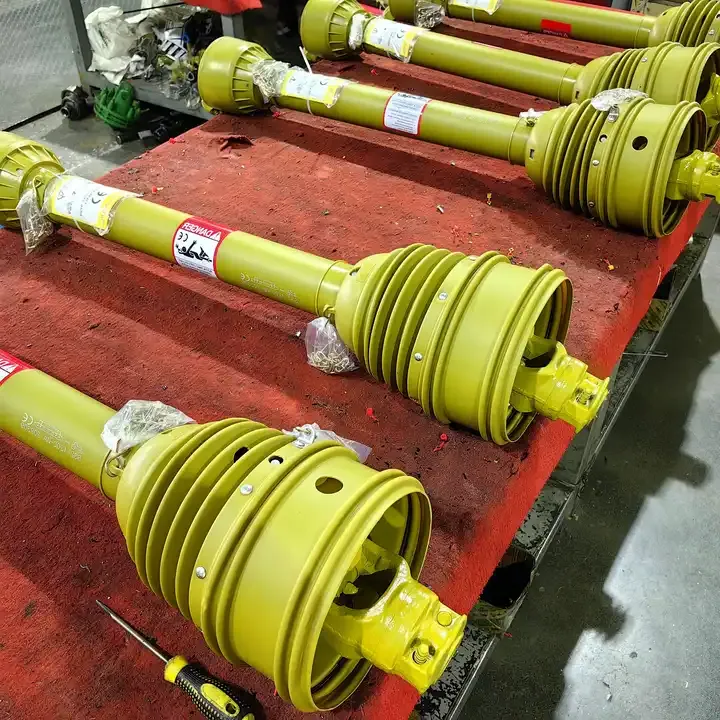
Drive shafts transmit rotational force from generators to turbines in generating mode and reverse in pumping. Torque is transferred via splines, with joints accommodating misalignments.
In high-head setups, shafts manage axial thrusts, ensuring energy conversion efficiency. Variable speed operations adjust RPM, optimizing power output.
The principle relies on mechanical integrity, with safety devices limiting torque to prevent damage. This enables Argentina’s units to store excess renewable energy effectively.
Installation and Operational Flow
Installation begins with alignment checks, followed by coupling to turbine. Torque testing ensures specs met, then integration with controls.
Operational flow: during surplus, pump water uphill; release for generation. Shafts facilitate bidirectional power, monitored for anomalies.
Maintenance flows include periodic lubrication and vibration analysis, aligning with Argentine standards for longevity.
Key Characteristics and Advantages
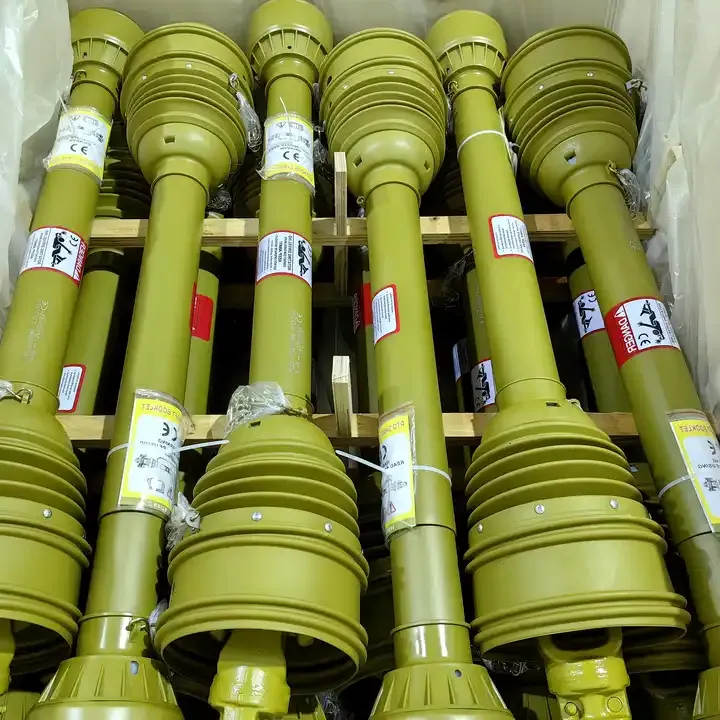
Characteristics include high strength alloys for durability and modular designs for easy upgrades. Advantages: reduced energy losses, enhanced grid stability, cost savings over time.
In Argentina, advantages manifest in lower import dependency, supporting local industries. Cultural fit with sustainable practices amplifies benefits.
Why Choose Our Drive Shaft Solutions
Our solutions offer unmatched reliability, customized for Argentine conditions. With expert engineering, we ensure seamless integration, backed by comprehensive support.
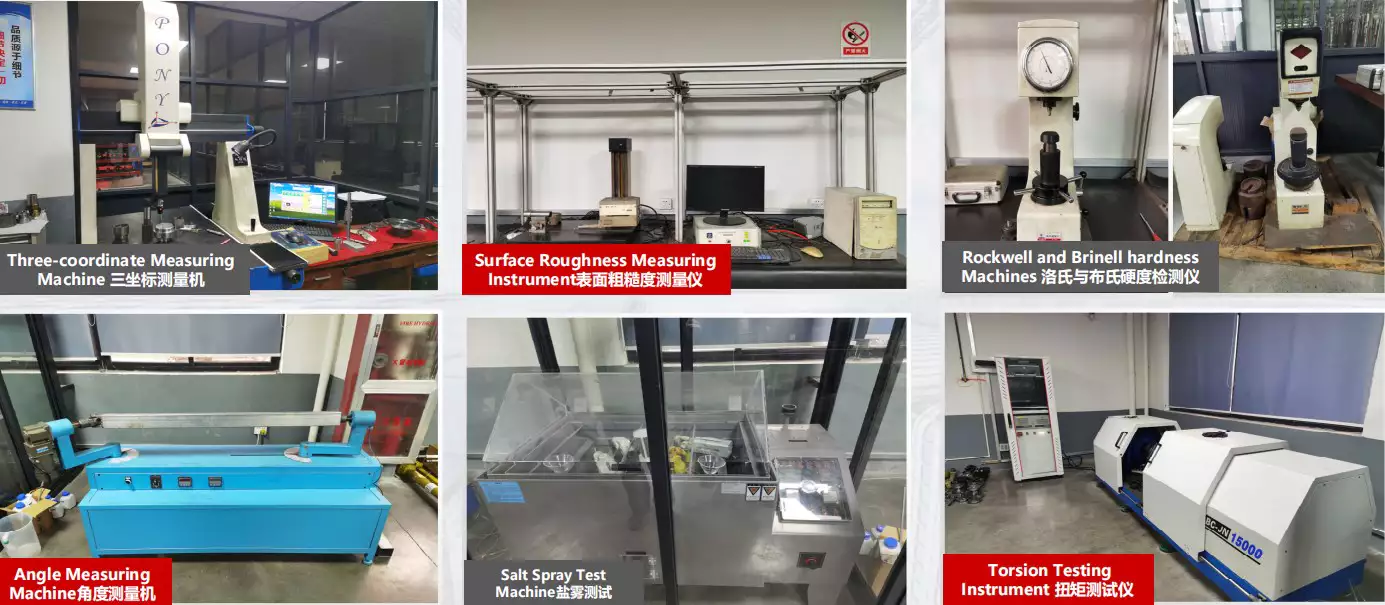
Proven in regional projects, our shafts deliver superior performance at competitive costs.
Local Industry News on Drive Shafts in Hydropower
Recent developments include modernization at Río Grande with advanced shafts, boosting capacity by 2026. Argentina’s renewables surge, with new tenders for storage tech.
In 2025, IFC funded energy storage, indirectly supporting shaft innovations. Global trends show pumped storage growth, influencing local projects.
Ready to upgrade your pumped storage system? Inquire about custom drive shaft solutions today.
Discover more on our homepage for hydropower transmission components.
Frequently Asked Questions
- What torque capacity do drive shafts need for Argentine pumped storage?
Typically up to 500,000 Nm, depending on unit size and head height, ensuring reliable operation in high-load scenarios. - How do regulations affect shaft selection in South America?
Compliance with IEC and local standards like those from Secretaría de Energía is mandatory, focusing on seismic and environmental safety. - What maintenance is required for these shafts?
Regular lubrication every 5000 hours, vibration checks, and alignment verification to prevent failures in remote sites. - Can shafts be customized for specific sites?
Yes, lengths and materials are tailored for conditions like Andean humidity or Pampas dust. - What advantages do complementary gearboxes offer?
They enhance torque management, reduce wear, and improve efficiency by up to 20% in bidirectional operations.
For tailored hydropower drive shaft procurement, contact us for quotes and consultations.