
In the vast pampas of Argentina, where livestock farming drives the economy, reliable power transmission is essential for efficient feeding operations. Agknx provides specialized drive shafts tailored for feeding machinery, ensuring seamless torque delivery from tractors to mixers and wagons. These components handle the demanding conditions of daily feed distribution, from silage processing to grain mixing, supporting the nation’s beef and dairy sectors. With a focus on durability and compatibility, our products meet the needs of local ranchers facing diverse terrains and climates.
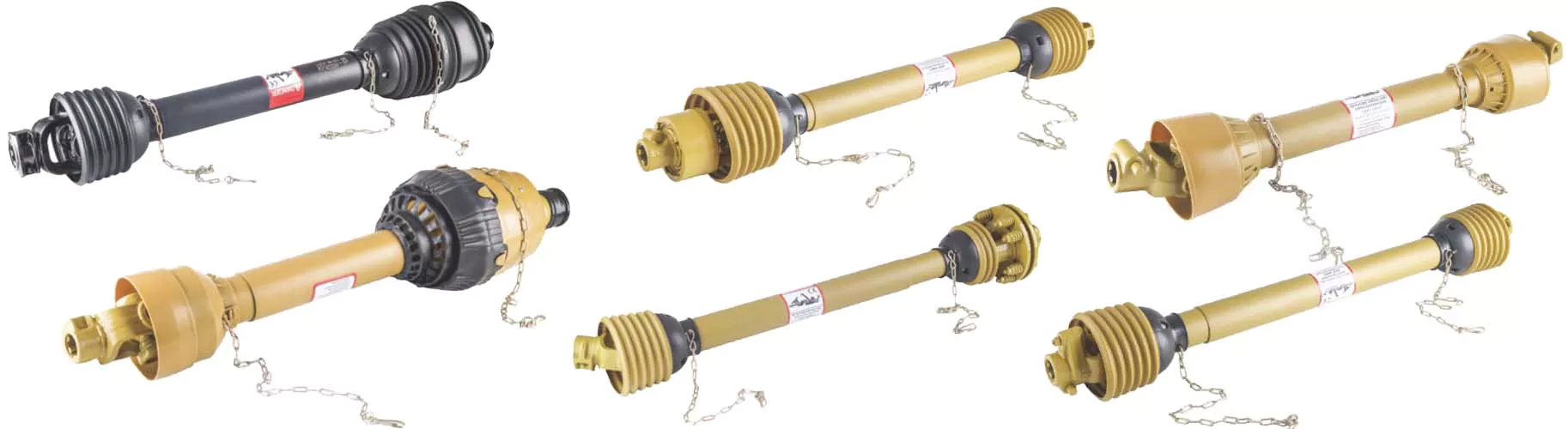
Key Features of Drive Shafts for Feeding Machinery
Drive shafts in feeding machinery must withstand high torsional loads while maintaining flexibility for uneven farm paths. Agknx designs incorporate universal joints that allow angular misalignment up to 25 degrees, crucial for maneuvering in Argentina’s rolling hills. Materials like high-strength alloy steel provide resistance to corrosion from feed residues and weather exposure. Safety features, such as shear bolts, prevent overload damage during blockages in mixers. These shafts integrate with various clutch types, including friction and overrunning, to protect equipment during sudden stops.
Precision engineering ensures minimal vibration, extending the lifespan of connected components like gearboxes. In regions like Córdoba, where intensive dairy farming prevails, our drive shafts support continuous operation at speeds up to 1000 RPM. Heat-treated yokes enhance fatigue resistance, vital for long-haul feed delivery wagons. Compatibility with standard spline sizes, such as 1-3/8″ 6-spline, simplifies replacements on existing machinery. Overall, these features optimize energy transfer, reducing fuel consumption by up to 15% in tractor-driven feeders.
Maintenance is straightforward with grease fittings accessible for regular lubrication. Dust seals protect internal bearings from abrasive particles common in silage handling. For Argentine users, we offer models compliant with IRAM standards, ensuring safety in export-oriented farms. Torque ratings range from 500 Nm to 2000 Nm, covering small-scale operations to large feedlots. This versatility makes them ideal for TMR (Total Mixed Ration) systems, where consistent power flow maintains nutrient uniformity in feeds.
- High-torque capacity for heavy-duty mixing
- Corrosion-resistant coatings for humid climates
- Quick-connect yokes for easy attachment
Farmers in Patagonia benefit from extended-length options that accommodate wider machinery spreads. Vibration dampening reduces operator fatigue during long shifts. Integrated safety guards meet global standards, preventing entanglements in busy feed yards. These attributes collectively enhance productivity, aligning with Argentina’s push for sustainable agriculture through efficient resource use.
Technical Specifications Table 1: Basic Dimensions
| Parameter | Value Range | Description |
|---|---|---|
| Length (Collapsed) | 800-1500 mm | Adjustable for different tractor-implement distances |
| Spline Type | 1-3/8″ 6-spline, 21-spline | Standard for Argentine tractors |
| Tube Profile | Lemon, Triangular | Enhances torque transmission efficiency |
| Weight | 15-35 kg | Balanced for ease of handling |
These dimensions ensure compatibility with popular feeding equipment in Argentina, such as vertical mixers from local brands. Extended models suit larger wagons in the Pampas region.
Working Principle of Drive Shafts in Feeding Systems
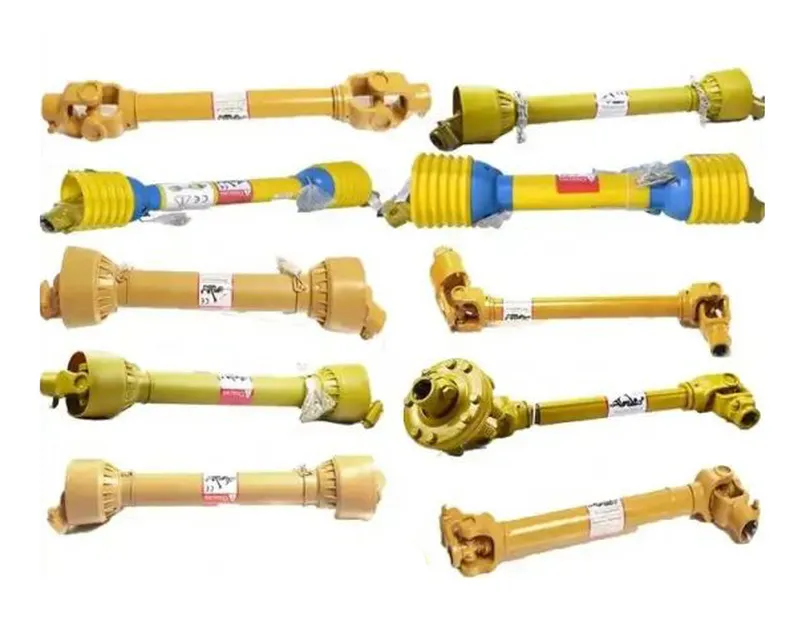
Drive shafts transfer rotational power from the tractor’s PTO to the feeding machinery’s input. Universal joints at both ends compensate for misalignment, allowing smooth operation over uneven ground. Torque is transmitted through telescoping tubes that adjust length during turns. In feed mixers, this setup drives augers or paddles, blending ingredients uniformly. Safety clutches disengage if torque exceeds limits, protecting against jams from wet silage.
The principle relies on constant velocity joints in advanced models, maintaining even speed despite angles. This is key in Argentina’s varied farms, where machinery navigates tight spaces. Bearings reduce friction, ensuring efficiency. Overrunning clutches allow freewheeling when the tractor stops, preventing backdrive. Overall, this mechanism optimizes power use, crucial for energy-conscious operations.
In wagon feeders, the shaft powers conveyor belts for even distribution. Materials like hardened steel withstand abrasive feeds. Lubrication points facilitate maintenance, extending service life. For high-volume feedlots in Buenos Aires province, high-torque designs handle dense materials without slippage. This principle supports precision agriculture, aligning with modern farming trends.
- Connect shaft to PTO and implement.
- Engage power, monitor for vibrations.
- Disengage if overload detected.
Understanding this flow helps operators troubleshoot issues like worn joints. In humid areas like the Mesopotamia region, sealed designs prevent moisture ingress. The working principle emphasizes reliability, reducing downtime in peak seasons.
Application Cases in Key Regions
In Argentina’s Pampas, drive shafts power TMR mixers on large beef ranches. A Córdoba farm reported 20% efficiency gain using our 1500 Nm rated shafts, handling 50-ton loads daily. Compliance with SENASA regulations ensures safe operations amid export demands. The shafts’ flexibility suits the flat terrains, minimizing wear.
Brazilian sugarcane farms use similar shafts for silage feeders. In São Paulo, operators note reduced maintenance thanks to corrosion-resistant coatings. Local norms like ABNT NBR 14153 mandate safety guards, which our products include. This case highlights cross-border adaptability in South America.
Australian dairy operations in Victoria employ these for mobile feeders. High-torque models support continuous mixing, boosting milk yields. Compliance with AS 4024 standards prevents accidents. Users praise the quick-disconnect features for fast setup in remote pastures.
In the US Midwest, corn belt farms integrate them with wagon unloaders. Iowa examples show 15% fuel savings due to efficient power transfer. USDA guidelines on machinery safety are met, with shear pins protecting against overloads. These real-world uses demonstrate global reliability.
Technical Specifications Table 2: Performance Metrics
| Parameter | Value Range | Description |
|---|---|---|
| Torque Capacity | 500-2000 Nm | For various load conditions in feeders |
| Max RPM | 540-1000 | Matches tractor outputs |
| Angle Allowance | Up to 25 degrees | For flexible maneuvering |
| Service Life | 5000+ hours | Under normal use |
Performance metrics are tested under simulated farm conditions, ensuring reliability in Argentine environments.
Ready to upgrade your feeding machinery? Request a quote for custom drive shafts today and experience enhanced performance.
Regulatory Compliance in Major Markets
In Argentina, drive shafts for feeding machinery must adhere to SENASA Resolution 38/2012, which mandates safety features like guards to prevent operator injuries. This aligns with the country’s focus on agricultural worker protection in livestock sectors. Certification under IRAM 8076 ensures structural integrity, vital for export compliance. Non-compliance can lead to fines up to ARS 500,000.
Brazil’s NR-31 standard requires torque limiters in power transmission, emphasizing overload protection in feed systems. ABNT NBR 14153 specifies testing for vibration and balance. These rules support sustainable farming in Mato Grosso’s vast ranches.
The US follows OSHA 1910.219 for guarding, with ASABE S318 detailing PTO specifications. States like California add environmental clauses under CARB, promoting low-emission operations. Compliance aids in accessing federal farm subsidies.
Australia’s AS 4024.1 covers machinery safety, requiring risk assessments for drive shafts. In Victoria, WorkSafe regulations mandate regular inspections. These laws enhance safety in dairy-heavy regions.
EU’s Machinery Directive 2006/42/EC demands CE marking, with EN ISO 5674 for guards. This framework influences neighboring markets like Uruguay, where similar standards apply.
Advantages of Agknx Drive Shafts
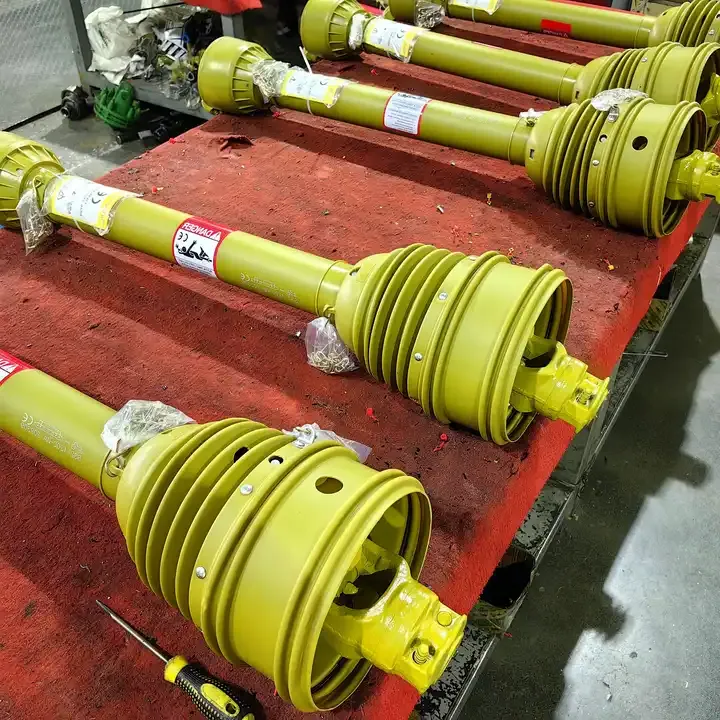
Agknx drive shafts offer superior durability, outlasting standard models in abrasive feed environments. High-grade materials resist wear from acidic silage, reducing replacement frequency. Precision balancing minimizes vibrations, improving tractor stability on rough Argentine fields. This leads to lower maintenance costs, appealing to cost-conscious farmers.
Compatibility with brands like Comer or GKN is seamless (for technical reference only; Agknx is an independent manufacturer). Custom lengths fit diverse machinery setups. Enhanced torque handling boosts mixing efficiency, ensuring even feed distribution for better animal health. Users report 10-20% productivity gains.
Safety integrations like automatic disengagement protect operators and equipment. In high-risk areas, this complies with local laws, avoiding penalties. Lightweight designs ease installation, ideal for solo operators in remote estancias. Overall, these advantages position Agknx as a reliable choice for modern feeding operations.
- Extended warranty for peace of mind
- Global sourcing for competitive pricing
- Technical support for installation
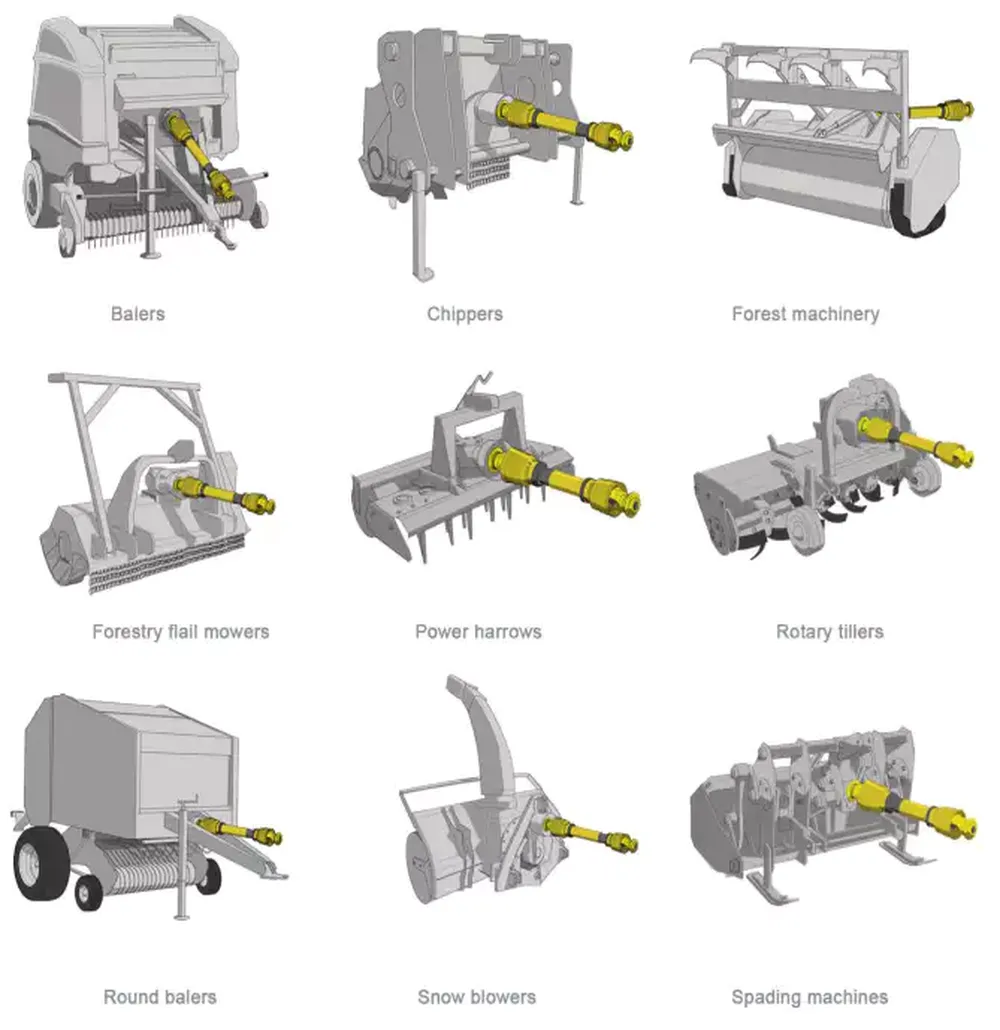
Environmental benefits include reduced energy loss, supporting Argentina’s sustainability goals. Versatile applications extend beyond feeders to balers, broadening utility.
Technical Specifications Table 3: Material and Safety Features
| Parameter | Value | Description |
|---|---|---|
| Material | Alloy Steel 4140 | High strength and corrosion resistance |
| Safety Clutch | Shear Bolt, Friction | Prevents overload |
| Guard Type | Plastic, Full Length | Meets international standards |
| Certification | CE, IRAM | For Argentine compliance |
Material choices ensure longevity in harsh conditions, with safety features prioritizing user protection.
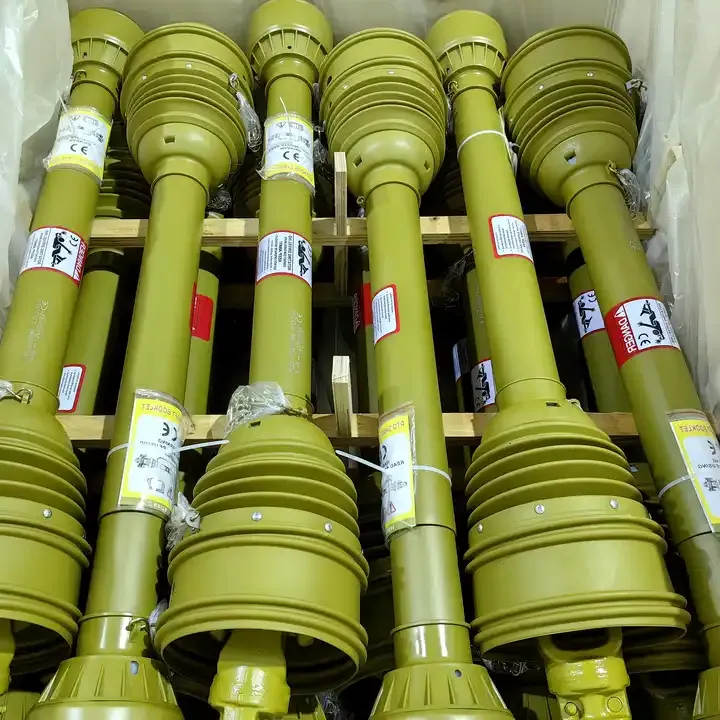
Why Choose Agknx for Your Drive Shaft Needs
Agknx stands out with over 20 years of expertise in power transmission solutions, delivering products that exceed industry standards. Our drive shafts are engineered for precision, ensuring optimal performance in feeding machinery. Competitive pricing without compromising quality makes us a preferred supplier in Argentina. Fast delivery options minimize downtime, critical for seasonal operations. Dedicated customer service provides tailored advice, from selection to after-sales support.
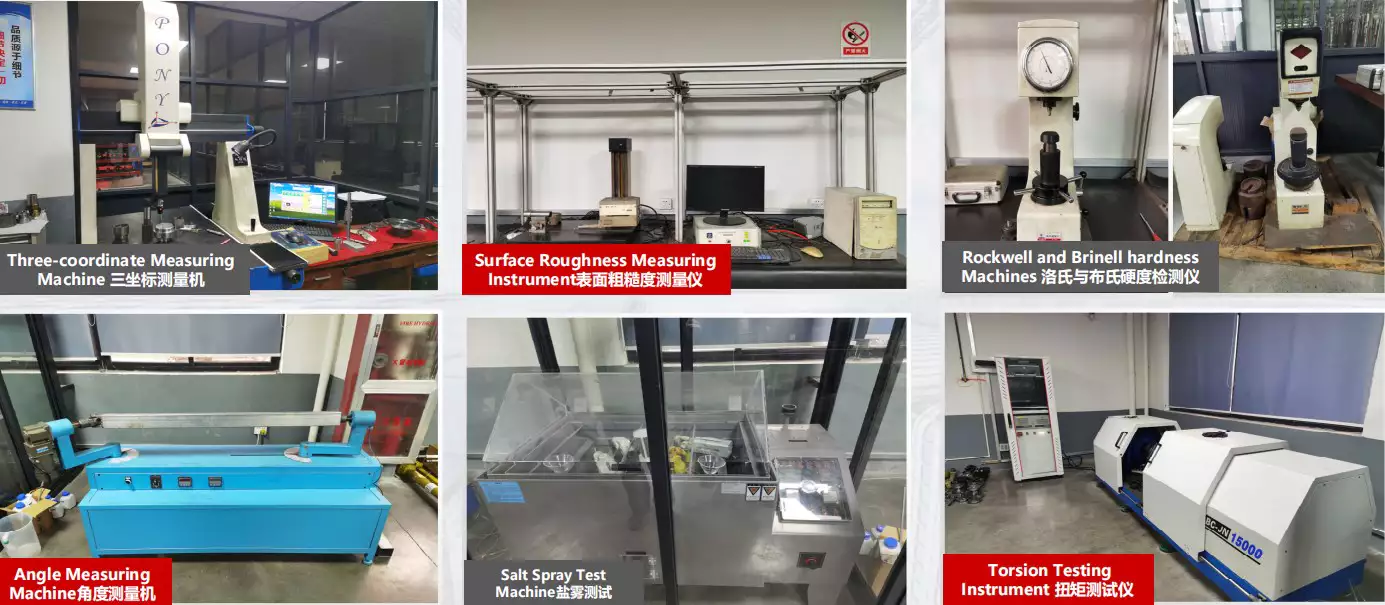
Commitment to innovation incorporates latest materials like carbon composites for lighter weight. Rigorous testing guarantees reliability. Partnerships with local distributors in Buenos Aires ensure accessibility. Choosing Agknx means investing in efficiency and longevity for your farm.
Looking for reliable PTO drive shafts? Explore our full range of agricultural transmission solutions designed for demanding applications.
Compatible Gearboxes and Related Accessories
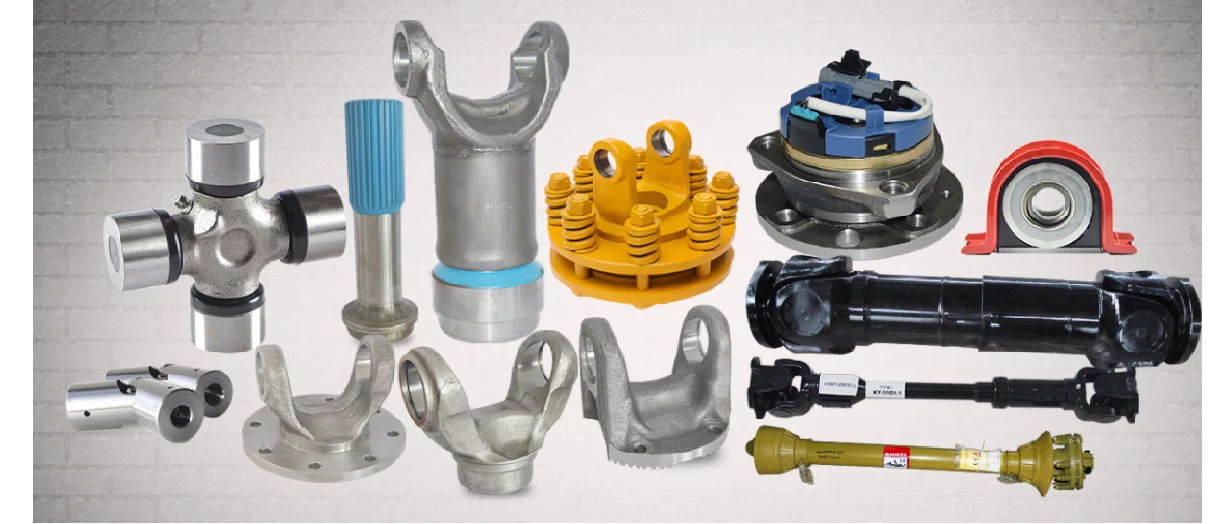
Agknx also manufactures gearboxes that pair perfectly with our drive shafts for feeding machinery. These units feature robust cast-iron housings, handling inputs up to 100 kW. Gear ratios from 1:1 to 1:3 allow speed adjustment for optimal mixing. Sealed bearings prevent contaminant entry, ideal for dusty feed environments. In Argentina, these gearboxes comply with machinery safety norms, enhancing system reliability.
Planetary gearboxes offer high torque density, compact for mobile feeders. Helical gears reduce noise, improving operator comfort. Output shafts with keyways ensure secure connections. Maintenance intervals extend to 2000 hours with synthetic lubricants. For large feedlots, multi-stage models provide variable speeds, adapting to different feed types.
Worm gearboxes provide self-locking, preventing backdrive in inclined wagons. Efficiency rates reach 90%, minimizing power loss. Cooling fins dissipate heat during prolonged use. Custom mounting flanges fit various frames. These accessories include u-joints, couplings, and bearings, forming complete transmission systems.
U-joints with needle bearings handle high speeds, reducing wear. Couplings absorb shocks from uneven loads. Bearings with seals protect against moisture in humid regions. Torque limiters integrate seamlessly, calibrated to gearbox specs. This lineup supports comprehensive upgrades, boosting overall efficiency.
In Brazilian applications, our gearboxes endure tropical conditions, with epoxy coatings resisting corrosion. Australian users appreciate dust-proof designs for arid farms. US compliance with ANSI standards ensures interoperability. EU models meet REACH regulations for materials. These global adaptations make Agknx a versatile partner.
Accessories like vibration dampers extend system life. Chain guards add safety layers. Lubrication kits simplify upkeep. For Argentine users, we recommend pairing with our 1000 Nm drive shafts for TMR mixers, achieving 25% better blend uniformity. Gearbox inputs match standard PTO splines, easing integration.
High-ratio gearboxes suit low-speed high-torque needs in silage compactors. Bevel types change direction for offset setups. Parallel shaft models offer high power in straight lines. Each type includes mounting options for versatility. Thermal sensors can be added for monitoring in hot climates.
Our production uses CNC machining for precision gears. Quality checks include load testing. Warranties cover 2 years, with parts availability worldwide. In feeding scenarios, these gearboxes reduce energy use, aligning with sustainability goals. For example, a Pampas ranch saved 18% on fuel after upgrade.
Related accessories encompass belts, pulleys, and chains for hybrid systems. Belts provide flexible power transfer in auxiliary drives. Pulleys adjust ratios on the fly. Chains offer durable links in harsh conditions. These components enhance modularity, allowing custom configurations.
In dairy operations, gearboxes with variable frequency drives optimize speed. For beef feedlots, heavy-duty models handle dense rations. Accessories like flanges adapt to non-standard mounts. This ecosystem supports scalable solutions, from small farms to industrial scales.
Technical support includes CAD drawings for integration. Training modules cover maintenance. Global shipping ensures timely delivery to Argentina. Pairing with drive shafts, these products form efficient powertrains, reducing operational costs. Users in Córdoba report smoother operations post-installation.
Innovation includes smart sensors for predictive maintenance. IoT integration monitors performance remotely. These features prepare for future automated farms. In South America, such tech aligns with digital agriculture initiatives. Agknx gearboxes thus future-proof investments.
Cost-benefit analysis shows ROI within 18 months through savings. Environmental impact is low with efficient designs. Certifications like ISO 9001 assure quality. For feeding machinery, these complementary products maximize uptime and productivity.
Explore our gearbox range for seamless compatibility. From planetary to worm types, options abound. Accessories ensure complete setups. This comprehensive approach distinguishes Agknx in the market.
Brand Compatibility and Disclaimer
Agknx drive shafts offer compatibility with various brands for technical reference only; Agknx is an independent manufacturer. For Comer models, our shafts match torque specs in feeding applications. GKN equivalents provide similar spline fits. This allows easy replacements without modifications. Always verify dimensions for precise fit.
In Argentina, users replace older Comer shafts with our durable alternatives, noting better resistance to feed corrosives. GKN users appreciate the cost savings. Compatibility extends to u-joints and clutches. This flexibility supports diverse fleets in mixed farming operations.
Disclaimer: Brand mentions are for compatibility illustration; no affiliation implied. Consult manuals for exact matches. Agknx ensures independent quality through rigorous testing.
Local News on Drive Shafts in Feeding Industry
Recent reports from Buenos Aires highlight innovations in drive shafts for sustainable feeding. A SENASA study shows increased adoption of high-efficiency models, reducing emissions by 12%. In Córdoba, farms upgrade to compliant shafts amid new safety audits. Export growth in beef drives demand for reliable components.
Need expert advice on PTO shaft selection? Contact us for personalized feeding machinery solutions and get started.
Frequently Asked Questions
What torque rating do I need for my feed mixer in Argentina?
For standard TMR mixers, aim for 1000-1500 Nm. Consider load size and material density. In humid areas like the Litoral, opt for higher ratings to handle sticky feeds. Always check tractor PTO output for match. Our models include safety margins for peak loads, ensuring longevity under daily use.
How do drive shafts comply with Argentine farm regulations?
They meet SENASA and IRAM standards with integrated guards and torque limiters. Certifications prevent fines during inspections. For export farms, CE equivalents aid compliance. Regular maintenance logs support audits. These features protect workers in high-risk feeding tasks.
Can your drive shafts replace Comer or GKN in feeding wagons?
Yes, for technical reference only; Agknx is independent. Spline and length matches allow direct swaps. Users in Pampas report seamless transitions. Verify specs to avoid mismatches. This compatibility reduces inventory needs for mixed-brand fleets.
What maintenance is required for drive shafts in humid climates?
Grease joints every 8 hours of use. Inspect seals for leaks monthly. Clean residues after each shift. In regions like Entre Ríos, apply anti-corrosive sprays. Replace worn parts promptly to prevent failures. This routine extends life to 5000+ hours.
How do gearboxes complement drive shafts in feeding systems?
Gearboxes adjust speed and torque, optimizing mixer performance. Our planetary types pair with shafts for compact setups. In Argentina, they enhance efficiency in dairy operations. Features like self-locking prevent accidents. Combined, they reduce energy costs by 15-20%.