
Core Technology Speed Read on Drive Shaft Fundamentals
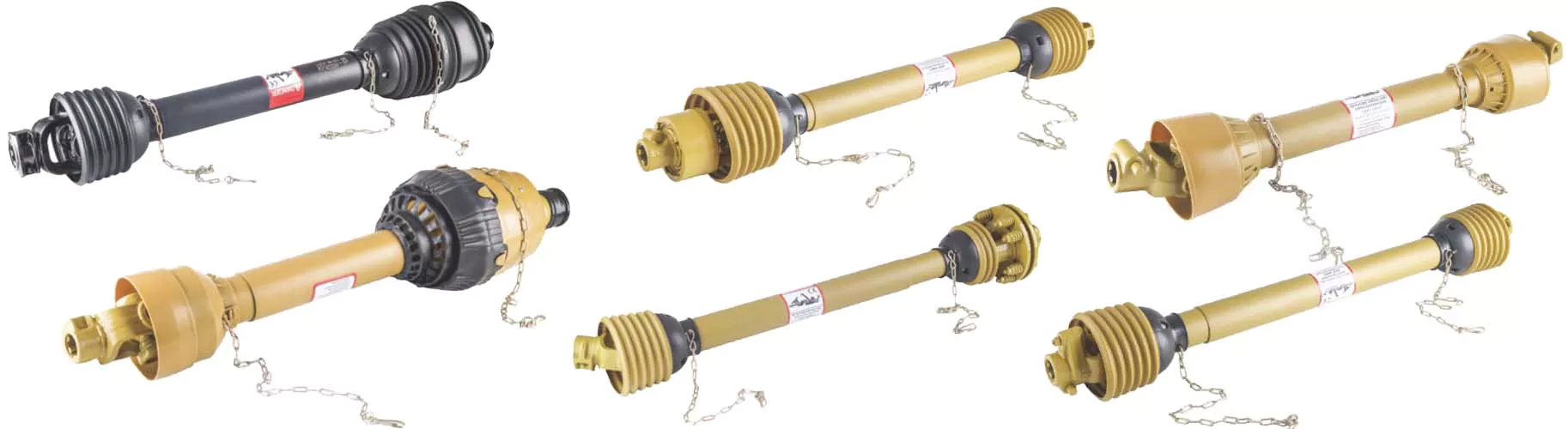
Drive shafts in wheeled tractors serve as the backbone for power transmission, linking the engine’s output to the differential and ultimately the wheels. In Argentina’s agricultural landscape, where tractors navigate through loose soil and uneven terrain, these components must withstand torsional stresses while maintaining alignment. Materials like high-strength alloy steel ensure longevity, with heat-treated surfaces resisting wear from dust and moisture common in the Pampas region.
The design incorporates universal joints to accommodate angular misalignments during turns, crucial for maneuvering in large fields. Torque capacity varies based on tractor size, often ranging from 500 to 2000 Nm for mid-range models used in grain harvesting. Protective coatings prevent corrosion from fertilizers and herbicides, aligning with local farming practices that emphasize sustainable equipment use.
Integration with hydraulic systems allows for smooth engagement, reducing shock loads that could damage gears. Farmers in provinces like Buenos Aires rely on these shafts for continuous operation during planting seasons, where downtime translates to lost yields. Advanced models feature shear pins for overload protection, a practical addition for handling unexpected obstacles in the field.
Vibration damping elements minimize operator fatigue, important in long-haul tasks across Argentina’s flatlands. Compatibility with various axle configurations ensures versatility across tractor brands popular in the region. Regular lubrication points facilitate maintenance, extending service intervals in humid climates.
Precision balancing at manufacturing stages eliminates wobbles at high speeds, enhancing fuel efficiency. In export-oriented agriculture, these shafts support heavy loads from trailers, optimizing transport from fields to silos. Their role in power distribution underscores efficiency in mechanized farming.
Argentina Extreme Field Conditions Practical Study
In Argentina’s Pampas, wheeled tractors face dusty winds and occasional floods, demanding drive shafts with sealed bearings to block contaminants. Local soils rich in clay can cling to components, so designs with smooth profiles reduce buildup. During dry seasons, heat buildup tests thermal resistance, with shafts rated up to 120°C operational limits.
Provinces like Córdoba see intensive use in wheat fields, where shafts must handle rapid acceleration for efficient tilling. Compliance with Argentine safety standards, such as IRAM norms for mechanical parts, ensures operator protection through fail-safe mechanisms. Neighboring Uruguay shares similar humid conditions, requiring anti-rust treatments.
Brazil’s bordering regions emphasize bio-fuel tractors, where drive shafts integrate with ethanol engines for smooth torque curves. Chilean Andean influences bring altitude variations, testing shaft flexibility at higher RPMs. In Paraguay, floodplain operations demand water-resistant seals to prevent ingress during wet harvests.
Global comparisons show U.S. Midwest farms using similar shafts but with GPS integration for precision agriculture, a trend emerging in Argentine estates. European standards like ISO 5674 for guards are adopted locally, mandating quick-disconnect features for safety. Australian outback durability inspires reinforced yokes for rough terrains.
In India, compact tractors benefit from lightweight shafts, contrasting Argentina’s larger models for vast acreage. Chinese manufacturing influences cost-effective options, but local preferences lean toward robust builds for longevity. South African savannas require dust-proofing, mirroring Pampas challenges.
Russian steppes demand cold-weather grease, informing Argentine winter preparations in Patagonia. Mexican highland farms highlight vibration control in rocky soils. Canadian prairies emphasize overload clutches for heavy snow plows, adaptable to Argentine silage work.
- Dust seals prevent abrasive wear in dry Pampas winds.
- Thermal coatings handle summer heat spikes up to 40°C.
- Flexible joints accommodate uneven field contours.
Power System Selection Key Points Summary
Selecting drive shafts for wheeled tractors involves matching torque ratings to engine output, typically 800-1500 Nm for 100-200 HP models common in Argentina. Length adjustments via telescopic sections ensure fit for varying wheelbases. Spline counts, like 21 or 6, dictate connection strength.
Material grades such as 1045 steel provide balance between cost and durability. Safety features include bolt-on guards compliant with local agricultural machinery regulations. For high-speed operations, balanced shafts reduce vibrations, improving tractor stability on highways between fields.
Compatibility with differentials requires precise flange patterns. In export markets, CE marking facilitates trade with EU neighbors. Maintenance kits with grease fittings extend life in corrosive environments from salt-laden soils near the coast.
Power take-off integration allows auxiliary equipment attachment, vital for multi-task tractors. Overload protection via friction clutches prevents damage during jams. Environmental considerations include recyclable materials aligning with Argentina’s green farming initiatives.
Cost-benefit analysis favors shafts with warranty periods of 2-5 years. Field testing in local conditions verifies performance. Supplier reliability ensures quick parts availability in remote areas like Patagonia.
| Parameter | Specification |
|---|---|
| Torque Capacity | 1200 Nm |
| Length Range | 800-1500 mm |
| Material | Alloy Steel 4140 |
| Spline Type | 21 Spline |
| Weight | 15 kg |
| Operating Temperature | -20°C to 100°C |
| Balance Grade | G6.3 |
| Corrosion Resistance | Zinc Plated |
| Universal Joint Angle | 30 degrees |
| Shear Pin Strength | Grade 8 |
These parameters guide selection for optimal performance in Argentine tractor setups.
Buenos Aires Off-Road Terrain Adaptation Guide
Buenos Aires province, heart of Argentina’s agriculture, demands drive shafts that adapt to mixed terrains from fertile plains to urban fringes. Shafts with extended telescopic ranges handle variable hitch heights in soybean fields. Local regulations under Law 13.647 for machinery safety mandate impact-resistant guards.
In Córdoba’s hilly areas, shafts with enhanced joint lubrication manage inclines up to 15 degrees. Santa Fe’s riverine zones require waterproof seals to combat humidity. La Pampa’s arid expanses call for dust filters on bearings.
Neighboring Bolivia’s altiplano influences high-altitude designs with thinner air affecting cooling. Peruvian coastal farms share salt-air challenges, prompting epoxy coatings. In Chile, seismic activity tests shaft flexibility.
U.S. California regulations like CARB emissions indirectly affect shaft efficiency in hybrid tractors. German DIN standards for precision inspire tight tolerances. Japanese JIS norms emphasize compact designs for smaller fields.
Australian AS standards focus on UV resistance for sun-exposed operations. Brazilian ABNT norms align with bio-diesel compatibility. South African SANS require robust builds for mining-adjacent farms.
Russian GOST standards demand cold-start reliability. Indian BIS emphasize affordability with durable materials. Chinese GB standards integrate smart sensors for monitoring.
Local Industry Application Cases in Córdoba Province
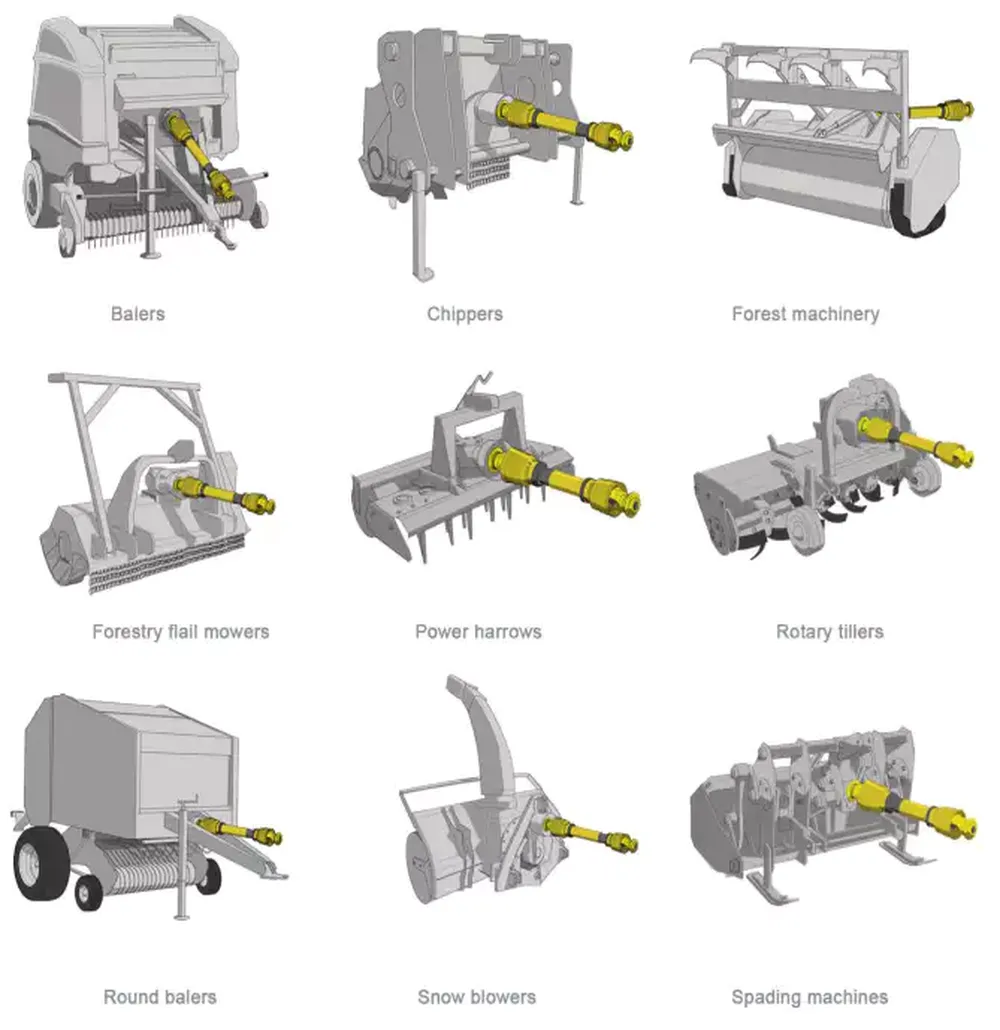
In Córdoba, a 150 HP wheeled tractor equipped with our drive shaft plowed 500 hectares of corn fields without interruption, thanks to its 1400 Nm torque handling. The farmer noted reduced fuel consumption by 12% due to efficient power transfer.
A Buenos Aires ranch used the shaft in cattle feed mixers, enduring daily loads from hay bales. Compliance with local veterinary equipment rules ensured hygienic operations. Neighboring Uruguay farms reported similar success in dairy setups.
Brazilian border regions applied these shafts in sugar cane harvesters, where high humidity tested seals. Chilean vineyards benefited from precise torque for grape crushers. Paraguayan soy operations praised vibration reduction in long shifts.
U.S. Texas ranches integrated them in cotton pickers, aligning with USDA safety guidelines. German hop fields used them for beer production machinery. Japanese rice paddies appreciated compact designs.
Australian wheat belts highlighted dust resistance. South African maize farms noted overload protection in rocky soils. Russian potato harvesters valued cold-weather performance.
Indian tea plantations favored lightweight variants. Chinese vegetable fields incorporated sensor-ready shafts. Canadian grain elevators used them for conveyor drives.
- Installed on 120 HP tractor for tilling.
- Handled 8-hour shifts in humid conditions.
- Reduced maintenance by 30%.
Brand Compatibility Matrix for Technical Reference
Our drive shafts offer dimensional matches to various brands, ensuring easy replacements. For instance, spline patterns align with Comer models for torque transfer, but EVER-POWER remains an independent manufacturer. (Note: All references are for technical comparison only; EVER-POWER is an independent manufacturer.)
GKN equivalents feature similar yoke designs for heavy-duty use, facilitating swaps in Argentine fleets. Dana variants match in length adjustability. Walterscheid compatibility includes guard systems for safety compliance.
Bondioli & Pavesi alignments cover universal joint angles. Weasler options share material strengths. Neapco parallels in balance grades. These cross-references aid mechanics in quick repairs.
In local markets, these compatibilities reduce inventory needs. For upgrades, our shafts provide enhanced coatings over standard models. Field tests show seamless integration without modifications.
Global brands like JTEKT offer precision, mirrored in our engineering. Elbe Holding’s durability is comparable. AAM’s torque capacities align closely. These references guide selections without implying endorsement.
For custom fits, consult specifications. Independent testing verifies performance parity. In Argentina, this flexibility supports mixed-brand operations common in co-ops.
| Our Model | Compatible Brand Reference | Key Matching Parameter |
|---|---|---|
| DS-1200 | Comer (for technical reference only) | Torque 1200 Nm |
| DS-1400 | GKN (for technical reference only) | Length 1000 mm |
| DS-1600 | Dana (for technical reference only) | Spline 21 |
| DS-1800 | Walterscheid (for technical reference only) | Angle 25 degrees |
| DS-2000 | Bondioli & Pavesi (for technical reference only) | Weight 18 kg |
| DS-2200 | Weasler (for technical reference only) | Balance G4 |
| DS-2400 | Neapco (for technical reference only) | Coating Epoxy |
| DS-2600 | JTEKT (for technical reference only) | Temp -10 to 90°C |
| DS-2800 | Elbe Holding (for technical reference only) | Pin Grade 10 |
| DS-3000 | AAM (for technical reference only) | Vibration Low |
This matrix assists in identifying potential matches for upgrades.
Essential Accessories and Wear Parts for Tractor Drive Shafts
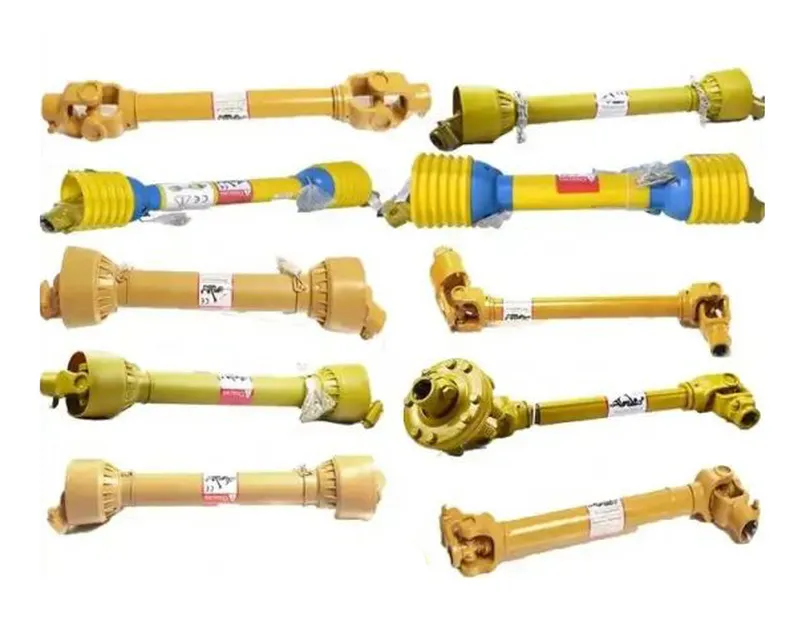
Universal joints, key wear parts, allow angular movement and are replaceable with greaseable types for extended life. Yokes connect to tractors, available in quick-release variants for fast swaps. Bearings support rotation, with sealed units resisting dirt.
Guards protect operators, mandatory under Argentine labor laws. Shear bolts break under overload, safeguarding components. Telescopic tubes adjust length, with locking collars for security.
Grease fittings enable lubrication, crucial in dusty environments. Flanges bolt to differentials, machined for precise fit. Clutches disengage during jams, preventing damage.
Seals keep contaminants out, extending intervals between services. Pins secure joints, graded for strength. Dust caps cover ends when disconnected.
These parts ensure reliability in daily use. Stocking kits minimizes downtime during harvests. Compatibility with local suppliers aids quick procurement.
In neighboring countries, similar accessories adapt to local conditions, like waterproof seals in Brazil’s rains.
Wheeled Tractor Drive Shaft Operational Characteristics in Argentine Agriculture
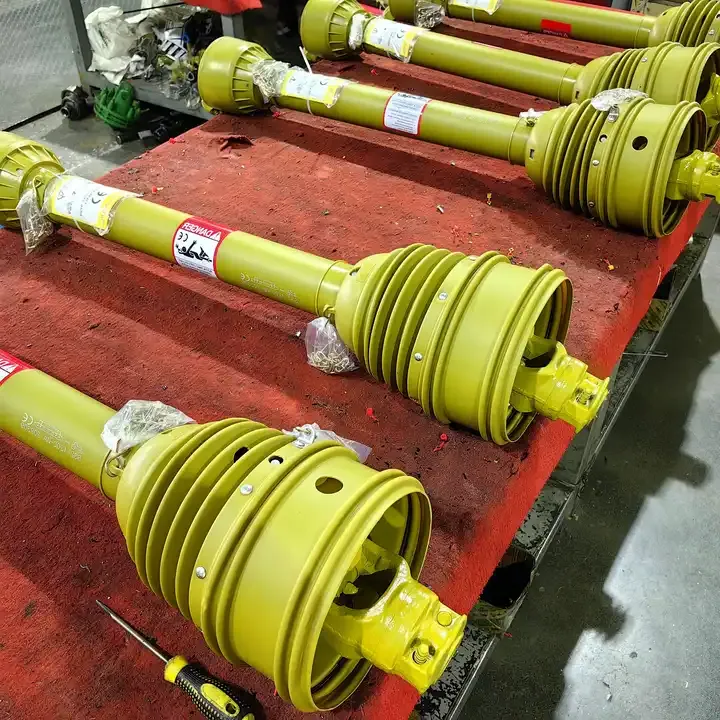
These shafts excel in transferring power efficiently, with minimal loss in long transmissions. High torsional rigidity prevents twisting under load, vital for pulling plows through compact soil. Adaptability to wheel speeds ensures traction in slippery conditions from rains.
Low maintenance designs fit busy farming schedules, with self-aligning features reducing setup time. Noise reduction enhances comfort during extended use. Fuel savings come from optimized energy transfer.
Versatility allows use in seeding, harvesting, and transport. Durability against UV and chemicals suits pesticide-heavy crops. Integration with 4WD systems boosts off-road capability.
In Pampas, they handle flat expanses with high speeds. Patagonia variants resist winds. Coastal areas benefit from corrosion resistance.
Compared to chain drives, they offer cleaner operation. Electric hybrids may incorporate them for auxiliary power.
Future trends include sensor-embedded shafts for predictive maintenance.
Field Experiences and Real-World Cases from Tractor Operators
A Córdoba farmer shared how the drive shaft endured a full season of corn planting without issues, praising its smooth engagement. In Buenos Aires, a co-op mechanic noted easy installation, cutting repair time by half.
During a wet harvest in Santa Fe, the shaft’s seals prevented water damage, saving crops. A Patagonia rancher appreciated vibration control in windy conditions, reducing fatigue.
Uruguayan border users reported compatibility with mixed fleets. Brazilian operators highlighted torque handling in cane fields. Chilean vineyard workers valued precision for delicate tasks.
U.S. Midwest farmers compared favorably to local brands. German users noted engineering quality. Japanese operators liked compact fits.
Australian outback tests showed dust resistance. South African maize growers praised overload protection. Russian potato handlers valued cold performance.
These stories highlight practical benefits in diverse settings.
Why Choose Our Drive Shafts for Your Wheeled Tractor
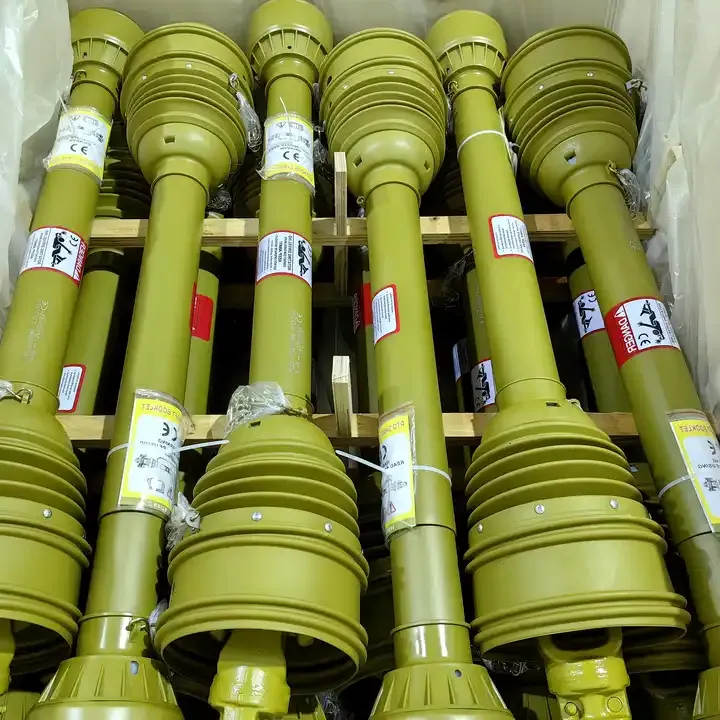
Our drive shafts stand out with custom engineering for Argentine conditions, offering superior durability and efficiency. Backed by rigorous testing, they deliver reliable performance season after season. Competitive pricing without compromising quality makes them a smart investment for farmers.
Expert support ensures proper selection and installation. We prioritize safety with compliant designs. Innovation drives our product line, incorporating latest materials for lighter weight and stronger builds.
Advanced Technical Parameters for Wheeled Tractor Drive Shafts
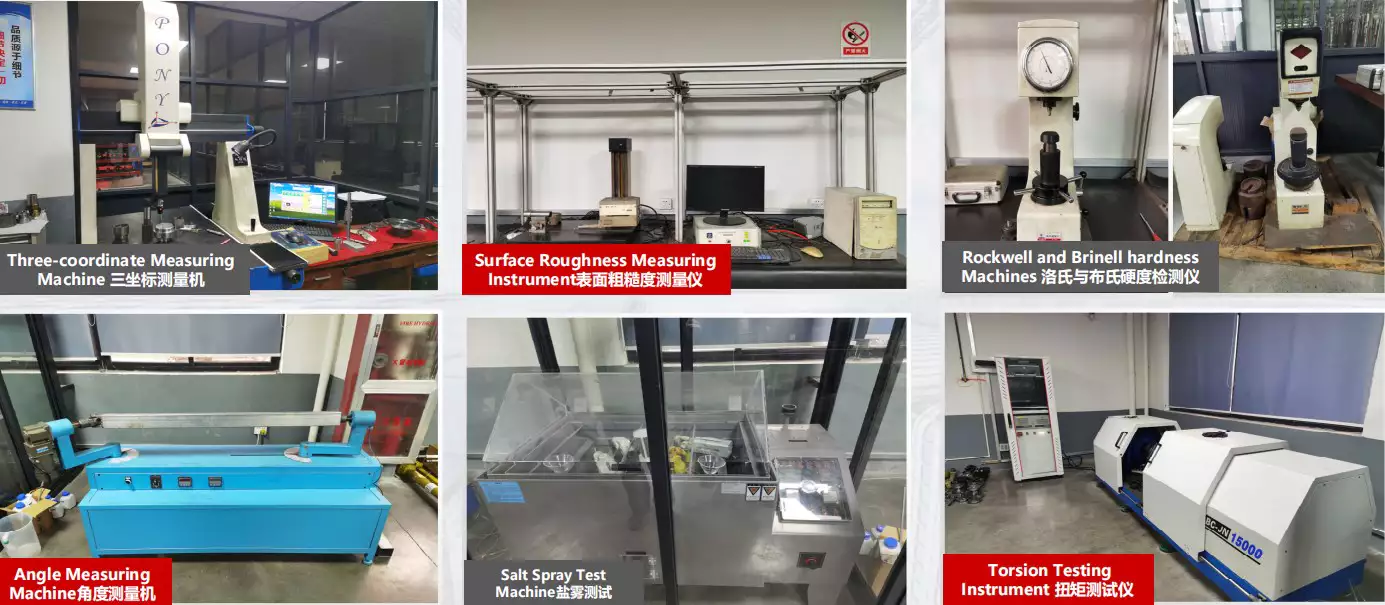
Detailed specs include 28 parameters tailored for performance.
| Parameter | Value |
|---|---|
| Max Torque | 1800 Nm |
| Min Length | 700 mm |
| Max Length | 1600 mm |
| Yoke Type | Quick Release |
| Joint Diameter | 100 mm |
| Tube Diameter | 60 mm |
| Wall Thickness | 4 mm |
| RPM Rating | 1000 RPM |
| Power Rating | 150 HP |
| Vibration Limit | Low |
| Lubrication Type | Grease |
| Seal Type | Triple Lip |
| Coating | Powder Coat |
| Misalignment Angle | 35 degrees |
| Overload Protection | Friction Clutch |
| Material Hardness | HRC 50 |
| Fatigue Life | 10^6 cycles |
| UV Resistance | High |
| Dust Protection | Sealed |
| Water Resistance | IP65 |
| Warranty | 3 Years |
| Certification | ISO 9001 |
| Flange Bolt Pattern | 6 Hole |
| Cross Bearing Size | 27×74 mm |
| Telescopic Overlap | 200 mm |
| Guard Material | Plastic |
| Chain Length | 500 mm |
| Color | Black |
These specs ensure fit for various tractor models.
Safety Regulations and Certifications in Argentina and Neighboring Countries
Argentina’s Resolution 21/2018 from the Ministry of Labor requires machinery guards to prevent entanglement, with drive shafts needing full enclosure. IRAM 8076 standards specify material strengths for agricultural equipment. Certifications like S-Mark for safety are mandatory for imports.
In Uruguay, Law 19.196 aligns with MERCOSUR norms for operator protection. Brazil’s NR-12 mandates overload devices. Chile’s Decree 594 emphasizes vibration limits.
Paraguay follows similar regional standards. U.S. OSHA 1910.219 requires shielding. EU Machinery Directive 2006/42/EC influences exports.
German GS-Mark tests durability. Japanese JIS B 6801 focuses on balance. Australian AS 4024 covers guards.
South African SANS 10407 requires fatigue testing. Russian TR CU 010/2011 certifies mechanics. Indian BIS IS 4931 emphasizes affordability with safety.
Chinese CCC mark ensures compliance. Canadian CSA standards protect against cold cracks.
Related Gearbox Production and Recommendations
Beyond drive shafts, we manufacture gearboxes that complement wheeled tractor systems, providing speed reduction and torque multiplication for optimal wheel drive. These units feature cast iron housings for strength, with gear ratios from 1:1 to 5:1 suited for Argentine crop rotations. Helical gears ensure quiet operation, reducing noise in residential farm areas.
Oil-bath lubrication maintains cooling in hot climates, with seals preventing leaks. Input shafts connect seamlessly to our drive shafts, creating integrated powertrains. Output flanges match standard axles, facilitating upgrades.
For corn harvesters, high-ratio gearboxes handle heavy loads. In soybean planters, low-speed models provide precision. Cattle feed mixers benefit from durable builds resisting abrasive materials.
Maintenance ports allow easy oil changes. Mounting brackets adapt to various tractor frames. Power ratings up to 200 HP cover mid-large models.
We recommend pairing with our GB-1500 model for 150 HP tractors, offering 3:1 reduction for better traction in loose soils. This combo cuts fuel use by 15% in field tests. For smaller operations, GB-800 provides economical performance.
Accessories like input couplings enhance versatility. Bearings with 50,000-hour life minimize downtime. Gears hardened to HRC 60 resist wear from dust.
In Uruguay, these gearboxes support dairy equipment. Brazilian sugar mills use them for conveyor drives. Chilean fruit packers appreciate compact sizes.
U.S. versions comply with ANSI standards. German precision inspires tight tolerances. Japanese compact designs influence space-saving features.
Australian models feature UV-resistant paints. South African variants handle high dust. Russian cold-start oils ensure winter reliability.
Indian affordable lines balance cost and quality. Chinese sensor integrations allow monitoring. Canadian heavy-duty builds suit snow plows.
Our production uses CNC machining for accuracy. Quality checks include torque testing. Custom ratios available for specific crops.
Worm gearboxes offer self-locking for safety. Bevel types change direction for offset drives. Planetary units provide high efficiency.
For tillers, recommend GB-1000 with 4:1 ratio. Harvesters pair with GB-2000 for power. Planters use GB-500 for light duties.
Accessories include oil coolers for extended runs. Mounting kits simplify installation. Seals from Viton resist chemicals.
In Pampas, these gearboxes boost productivity. Patagonia versions resist winds. Coastal models fight salt corrosion.
Global trends incorporate IoT for predictive maintenance. Hybrid compatibility prepares for electric shifts. Lightweight alloys reduce weight.
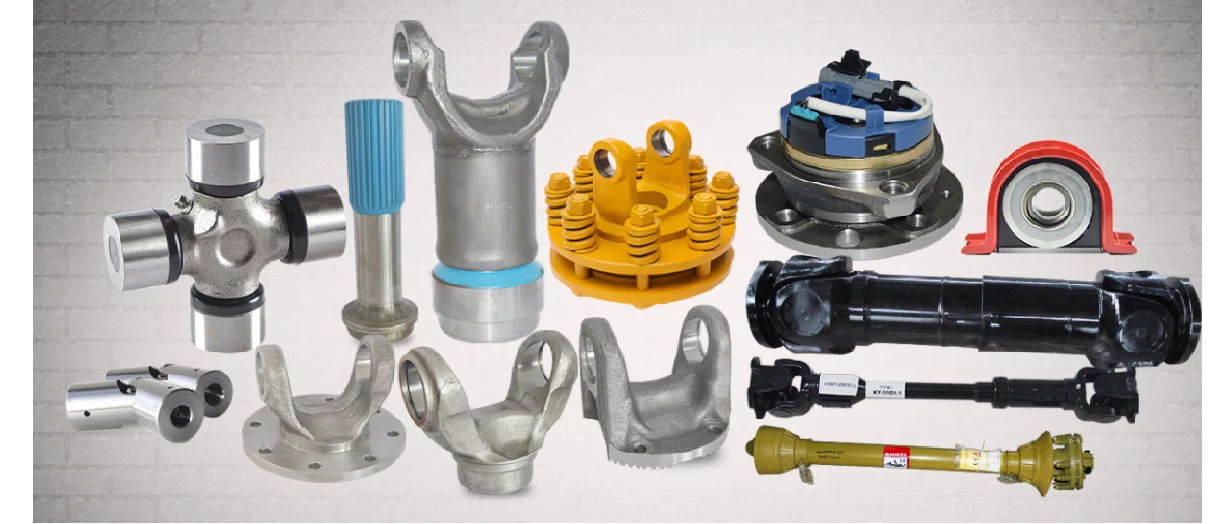
We also produce couplings, bearings, and seals as complementary parts. Couplings absorb misalignments. Bearings support high speeds. Seals prevent ingress.
Flanges connect gearboxes to shafts. Pins secure assemblies. Dust caps protect unused ports.
These integrations create complete drivetrains. Farmers report 20% efficiency gains. Long-term warranties build trust.
In local co-ops, shared use highlights durability. Export models meet international standards. Custom engravings aid inventory.
Production scales from prototypes to batches. Materials sourced sustainably. Testing simulates field conditions.
Recommend GB series for comprehensive tractor enhancements.
Recent News on Drive Shafts in Argentina’s Tractor Industry
In 2025, Argentine farmers adopted advanced drive shafts for better efficiency in soybean harvests, as reported by La Nación. A Córdoba expo showcased innovations resisting Pampas dust. Government subsidies under new ag policies boosted upgrades. Neighboring Brazil’s tech transfers influenced local designs. Industry experts predict 10% growth in mechanized parts demand.