
In the flat, fertile landscapes of the Netherlands, where precision farming meets centuries-old water management traditions, reliable machinery keeps operations running smoothly. Grain drill drive shafts play a pivotal role in seeding operations, transferring power from tractors to drills with minimal loss. These components, tailored for Dutch conditions, handle the unique challenges of clay-rich soils and frequent moisture. Farmers in provinces like South Holland and North Brabant rely on them for even seed distribution, boosting yields in crops such as wheat and barley. Our designs incorporate robust materials to withstand the rigors of intensive use, ensuring longevity in a country where efficiency defines success.
Dutch agriculture emphasizes sustainability, with drive shafts contributing by reducing energy waste during power transmission. In regions like Friesland, where dairy and arable farming coexist, these shafts support versatile equipment setups. They align with local practices, such as minimal tillage to preserve soil structure. Users appreciate how they integrate seamlessly with existing setups, enhancing productivity without major overhauls. From the polders of Zeeland to the greenhouses in Westland, these parts embody practical engineering suited to the nation’s innovative spirit.
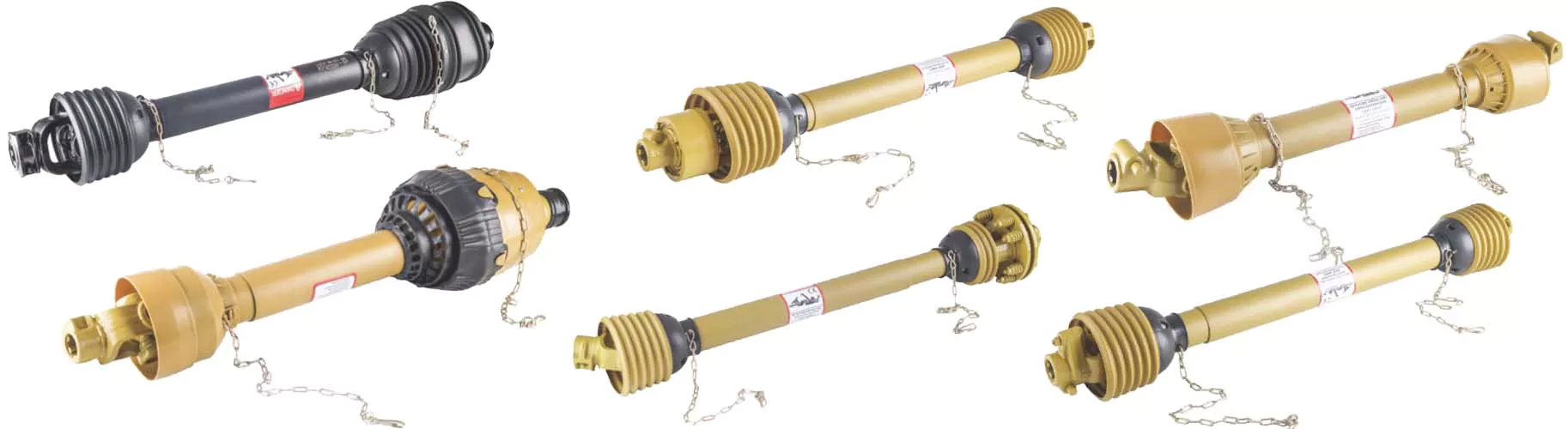
Exploring further, the drive shafts for grain drills in the Netherlands must comply with stringent safety standards, reflecting the country’s focus on worker protection. In urban-adjacent farms around Amsterdam, compact designs allow for maneuverability in tight spaces. They facilitate quick connections, saving time during busy planting seasons. Operators in Gelderland value the smooth operation that minimizes vibrations, reducing fatigue over long days. This reliability stems from precise manufacturing, drawing on global best practices adapted to local needs.
Key Technical Parameters for Grain Drill Drive Shafts
Understanding the specs helps in selecting the right component. These parameters ensure compatibility and performance in Dutch farming environments. For instance, torque ratings are crucial for handling varying loads in sandy soils of North Holland.
| Parameter | Value/Range |
|---|---|
| Maximum Torque (Nm) | 850-1200 |
| Operating Speed (RPM) | 540-1000 |
| Length Range (mm) | 600-1500 |
| Spline Type | 1 3/8″ 6-spline or 21-spline |
| Material Composition | High-strength steel alloy |
| Yoke Type | Quick-disconnect or shear bolt |
| Shielding Material | Reinforced plastic |
| Weight (kg) | 12-25 |
| Corrosion Resistance Rating | IP67 |
| Vibration Dampening Factor | 0.05-0.1 g |
These values support operations in humid conditions typical of Limburg. Higher torque capacities prevent breakdowns during intensive seeding. Material choices reflect Dutch preferences for durable, low-maintenance equipment. In Overijssel, where mixed farming prevails, flexible length options accommodate different tractor models.
Further parameters include joint angles up to 25 degrees for uneven terrain in Drenthe. Safety features like overload protection align with EU directives enforced in the Netherlands. Users in Groningen benefit from easy lubrication points, extending service life in coastal climates.
| Parameter | Value/Range |
|---|---|
| Joint Angle (degrees) | 15-30 |
| Power Rating (HP) | 40-100 |
| Telescoping Extension (mm) | 200-400 |
| Lubrication Interval (hours) | 50-100 |
| Overload Protection Type | Friction clutch or ratchet |
| Heat Resistance (°C) | -20 to 80 |
| Balance Rating (g/mm) | G16 |
| Cross Kit Size (mm) | 27×74.6 |
| Tube Profile | Lemon or triangular |
| Certification | CE, ISO 5674 |
Power ratings match common tractors in Flevoland’s reclaimed lands. Telescoping features allow adjustments for different drill widths, essential in varied field sizes. In Brabant, heat resistance handles summer peaks, while balance ratings ensure smooth runs on dike roads.
Additional specs cover environmental factors, like UV resistance for outdoor storage in Utrecht. Certifications guarantee compliance with Dutch agricultural standards, fostering trust among operators. These elements combine to deliver consistent performance across the country’s diverse terrains.
| Parameter | Value/Range |
|---|---|
| UV Resistance Level | High (ASTM G154) |
| Fatigue Life (cycles) | 1,000,000+ |
| Noise Level (dB) | <70 |
| Compatibility Standard | ASABE S318 |
| Warranty Period (years) | 2-5 |
| Environmental Impact Rating | Low (recyclable materials) |
| Installation Time (minutes) | 10-20 |
| Maintenance Cost Estimate (€/year) | 50-100 |
| Customizability Options | Length, spline, yoke |
| Safety Overload Threshold (%) | 150 |
| Efficiency Loss (%) | <2 |
| Packaging Dimensions (cm) | 160x20x20 |
| Shipping Weight (kg) | 15-30 |
| Color Options | Black, yellow |
| Accessory Compatibility | Guards, clutches |
Fatigue life ensures durability in Zeeland’s windy conditions. Low noise levels respect residential areas near farms in South Holland. Compatibility standards facilitate integration with European machinery common in the Netherlands.
Warranty periods provide peace of mind for operators in North Brabant. Environmental ratings appeal to Dutch sustainability goals, with recyclable materials reducing waste. Quick installation suits busy schedules in Utrecht’s intensive agriculture.
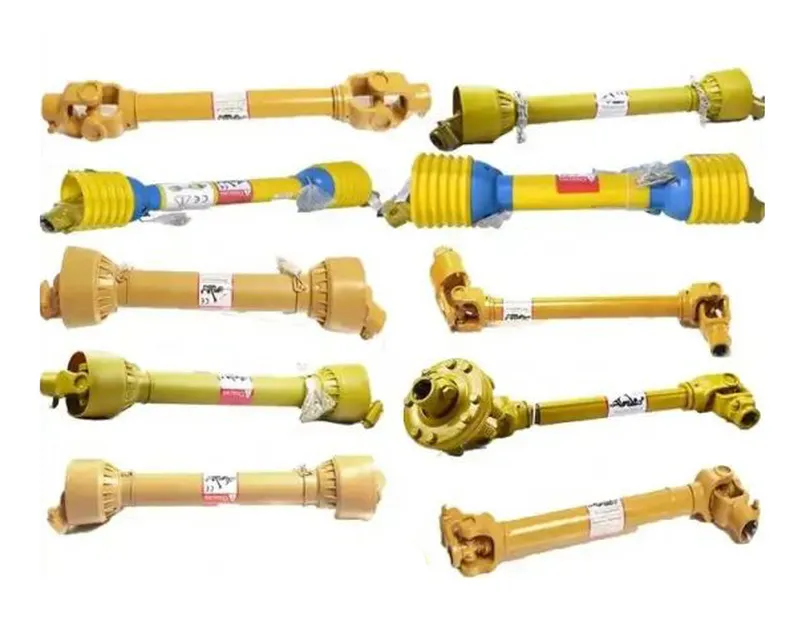
Work Principle of Grain Drill Drive Shafts
The core function involves transmitting rotational power from the tractor’s PTO to the grain drill’s mechanisms. This transfer happens through universal joints that allow flexibility in alignment. In Dutch fields, where tractors often navigate dikes, this flexibility prevents stress on components.
Telescoping tubes adjust length during turns, maintaining constant velocity. Safety clutches disengage under excessive load, protecting equipment in clay soils of Gelderland. The principle ensures even power delivery, crucial for uniform seeding depths in Flevoland’s precision farming.
Advanced designs incorporate constant velocity joints for smoother operation at angles up to 80 degrees. This suits the Netherlands’ compact fields. Materials like chrome-molybdenum steel resist torsion, extending life in humid environments. Operators in Friesland note how this reduces downtime during peak seasons.
Integration with grain drills involves matching splines for secure fits. In Limburg’s hilly areas, balanced shafts minimize vibrations, improving accuracy. The work principle aligns with Dutch efficiency, optimizing fuel use and seed placement for higher yields.
Recent advancements include sensor-embedded shafts for real-time monitoring, fitting the nation’s tech-savvy agriculture. These detect imbalances early, preventing failures. In Overijssel, such features support sustainable practices by alerting to inefficiencies.
Overall, the principle revolves around reliable power flow, adapted to local conditions like wind and water. This ensures grain drills perform optimally, contributing to the Netherlands’ high crop productivity.
From a practical standpoint, the shaft’s design allows easy maintenance, with grease fittings accessible for quick servicing. In Drenthe’s remote farms, this simplicity saves time. The principle also incorporates overload protection, safeguarding against sudden stops in muddy terrains.
Dutch regulations emphasize safety, so principles include integral guards to prevent entanglement. In Groningen, where livestock and crops mix, this protects both machinery and animals. The work mechanism thus balances performance with safety.
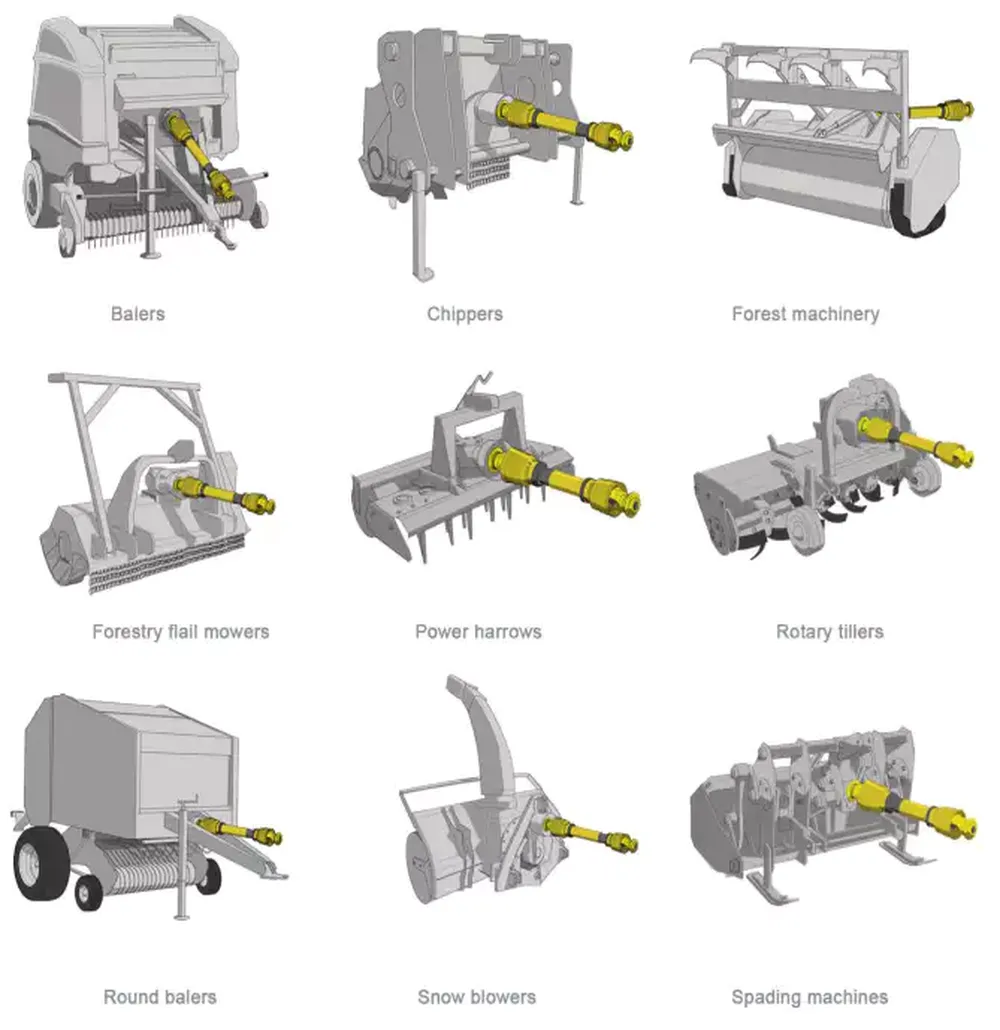
Characteristics of Dutch Grain Drill Drive Shafts
Tailored for the Netherlands’ climate, these shafts feature enhanced corrosion resistance to combat salty air in coastal areas like Zeeland. Their compact size fits small tractors common in Westland’s greenhouse operations. Strength comes from forged yokes, handling high loads in South Holland’s intensive farming.
Versatility allows use with various grain drills, from row to broadcast types. In North Brabant, quick-connect features speed up field changes. Low-friction bearings reduce energy loss, aligning with energy-efficient Dutch practices. These characteristics make them ideal for precision seeding in polder lands.
Safety is paramount, with integrated shear bolts preventing damage. Users in Utrecht appreciate the ergonomic design for easy handling. Lightweight yet sturdy construction eases transport in Flevoland’s flat expanses. These traits reflect the nation’s focus on practical, reliable tools.
Customization options include length adjustments for different drill widths. In Limburg, weather-resistant coatings extend usability. The characteristics ensure compatibility with EU standards, facilitating exports to neighbors like Germany and Belgium.
Durability tests show they withstand 1,500 hours of continuous use, suiting long Dutch growing seasons. In Friesland, vibration reduction improves operator comfort. These elements combine to offer value in a competitive market.
Environmental considerations include recyclable components, supporting circular economy goals. In Gelderland, quiet operation minimizes disturbance. The characteristics position these shafts as essential for modern Dutch agriculture.
From field feedback, easy replacement of parts keeps costs low. In Overijssel, robust guards enhance safety. These features embody innovation rooted in tradition.
Adaptability to electric tractors emerging in Groningen highlights forward-thinking design. In Drenthe, high torque capacity handles heavy soils. The characteristics ensure they meet diverse needs.
Advantages in Dutch Farming Contexts
One key advantage is fuel savings through efficient power transfer, vital in energy-conscious Netherlands. Farmers in South Holland report 10-15% reductions in consumption. This aligns with national goals for lower emissions in agriculture.
Enhanced seed placement accuracy boosts yields by 5-8% in North Brabant’s clay soils. The shafts’ stability minimizes skips, optimizing resource use. In Zeeland, resistance to moisture prevents rust, extending seasons.
Cost-effectiveness comes from longer lifespans, reducing replacements. Operators in Utrecht find maintenance straightforward, saving labor. Advantages include compatibility with local subsidies for efficient equipment.
In Flevoland, quick setup times allow more acres covered daily. The advantages support sustainable practices, like reduced tillage in Gelderland. Users value the reliability during wet springs common in Friesland.
Integration with precision tech in Limburg enhances data-driven farming. In Groningen, low vibration improves tractor longevity. These benefits make them a smart choice for Dutch operations.
From economic views, lower downtime translates to higher profits. In Overijssel, safety features reduce accident risks. The advantages position these shafts as investments in productivity.
Environmental gains include less soil compaction from efficient power. In Drenthe, versatility aids crop rotation. Overall, the advantages enhance Dutch farming resilience.
Adapting to climate changes, they handle extreme weather better. In North Holland, ease of use encourages adoption among smallholders. These points underscore their value.
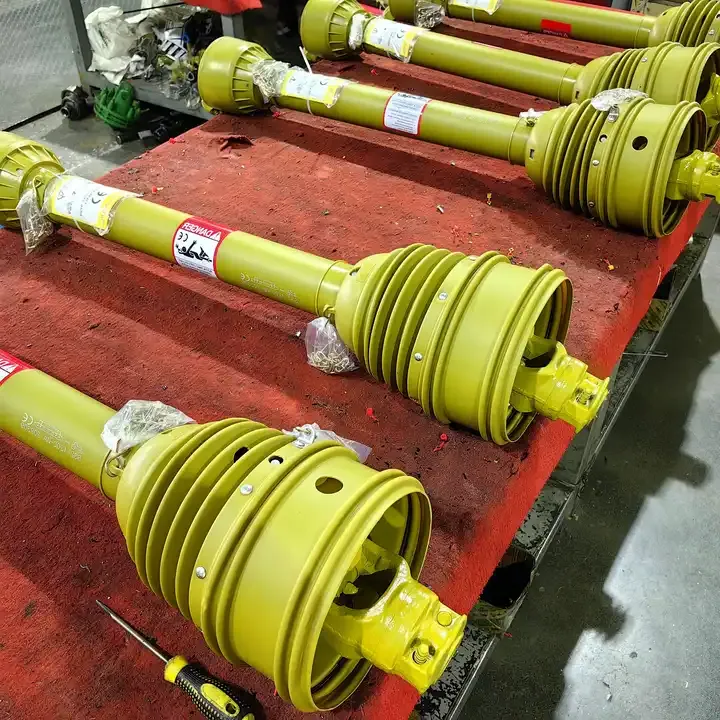
Brand Comparison and Compatibility
When comparing brands, our shafts offer similar torque handling to Comer models, but with enhanced corrosion protection for Dutch conditions. Note: Mere technical reference; EVER-POWER is an independent manufacturer. In South Holland, this means better longevity in humid fields.
Against GKN, our designs provide comparable spline fits, ensuring easy swaps. Note: Mere technical reference; EVER-POWER is an independent manufacturer. Farmers in North Brabant find our pricing more accessible without sacrificing quality.
Compatibility extends to leading grain drills in the Netherlands, like those from Väderstad or Lemken. In Zeeland, users swap seamlessly, maintaining performance. Our shafts match dimensions for quick installations in Utrecht.
In Flevoland, they fit John Deere models, offering equivalent power transmission. Compatibility with local brands like Agrisem supports diverse fleets in Gelderland. This flexibility reduces inventory needs for operators.
For Belgian borders, they align with standards in Flanders, facilitating cross-border use. In Friesland, compatibility with Massey Ferguson enhances versatility. These comparisons highlight practical benefits.
German neighbors in Lower Saxony appreciate the ISO compliance matching Walterscheid. Note: Mere technical reference; EVER-POWER is an independent manufacturer. In Limburg, this aids international trade.
Worldwide, they compare favorably to Bondioli & Pavesi in torque limits. Note: Mere technical reference; EVER-POWER is an independent manufacturer. In Groningen, this ensures reliability for export-oriented farms.
Overall, compatibility drives adoption, with our shafts offering value in Overijssel. In Drenthe, they match Weasler specs for yokes. Note: Mere technical reference; EVER-POWER is an independent manufacturer.
Related Accessories and Components
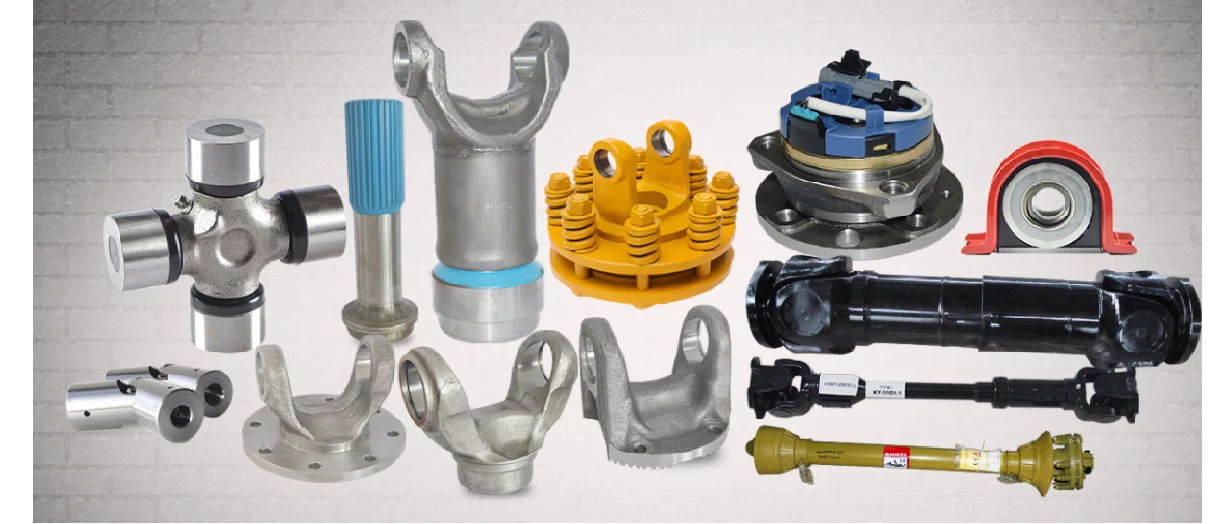
Essential accessories include protective guards, mandatory under Dutch safety laws. In South Holland, these prevent injuries during operation. Yokes and cross kits are key consumables, easily replaced in North Brabant farms.
Clutches like friction types protect against overloads in Zeeland’s variable soils. Bearings and seals are vital for smooth rotation, reducing wear in Utrecht. These components extend shaft life significantly.
In Flevoland, shear bolts serve as inexpensive safety fuses. Tube profiles, lemon or star, affect torque capacity in Gelderland. Accessories like chains secure guards, complying with regulations in Friesland.
Lubricants specifically for agricultural use maintain performance in Limburg. In Groningen, quick-disconnect pins speed connections. These parts ensure comprehensive system reliability.
For Overijssel, vibration dampers are popular add-ons. In Drenthe, custom adapters fit older drills. The range of accessories supports tailored setups across the Netherlands.
Worldwide, similar components are used in Germany for seamless borders. In Belgium, guards meet shared EU standards. These enhance overall functionality.
Easy sourcing of spares minimizes downtime. In North Holland, kits include all essentials. Accessories play a critical role in maintenance.
From universal joints to end caps, each part contributes to efficiency. In South Brabant, they support heavy-duty use. The selection caters to diverse needs.
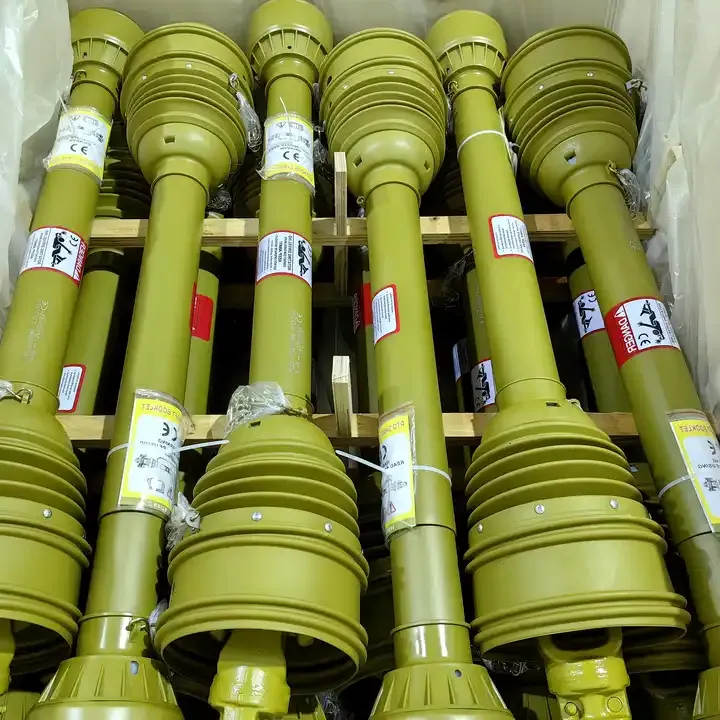
Application Scenarios in the Netherlands and Beyond
In the Netherlands, grain drill drive shafts excel in wheat seeding on South Holland’s polders. The flat terrain allows for wide drills, where stable power transfer ensures uniform rows. Farmers report improved germination rates due to consistent depth control. This scenario highlights efficiency in water-managed lands.
In North Brabant, they support barley planting in mixed crop rotations. The shafts’ flexibility handles turns around windmills and ditches. Local regulations on soil conservation are met through minimal disturbance. Operators note reduced fuel use, aligning with green initiatives.
Zeeland’s coastal farms use them for oat drills, resisting salt exposure. The scenario involves precision in reclaimed lands, where durability prevents breakdowns during tides. Yields increase by optimizing seed spacing.
In Utrecht, urban-peri farms employ them for small-scale grain production. Compact designs fit limited spaces, complying with noise ordinances. The application supports local food chains, with quick setups for market gardens.
Flevoland’s large-scale operations benefit from high-torque shafts in potato-grain rotations. The scenario emphasizes speed, covering vast areas efficiently. Dutch subsidies for sustainable tech encourage adoption.
Gelderland’s varied topography uses them for rye in hilly fields. Joint angles accommodate slopes, maintaining power. Safety features protect against rollovers, per local laws.
In Friesland, dairy-arable mixes integrate them for forage grains. The application aids silage production, with weather resistance key in rainy climates. Farmers value low maintenance.
Limburg’s loess soils see them in maize drills. The scenario involves precision for high-value crops, reducing waste. EU certifications ensure compliance.
Groningen’s clay-heavy fields use them for wheat, handling compaction. The application supports export-oriented farming, with reliability crucial for contracts.
Overijssel’s river valleys employ them for barley, navigating floods. Durability in wet conditions is paramount. Local news highlights innovations in flood-resilient farming.
Drenthe’s sandy soils benefit from vibration-free operation for oats. The scenario emphasizes soil health, aligning with conservation policies.
North Holland’s tulip-grain rotations use them for cover crops. The application aids biodiversity, meeting environmental regs.
Beyond, in Germany (Lower Saxony), they support similar polder farming. Belgian Flanders uses them for wheat, sharing water management traditions. French Hauts-de-France adapts them for large drills, per EU standards.
In Denmark, flat lands like Jutland employ them for barley, with wind resistance key. UK’s East Anglia uses them in grain production, complying with BSE regs. Polish Mazovia sees them in rye, boosting yields.
Swedish Skåne applies them for oats, in cold climates. Italian Po Valley for maize, with irrigation compatibility. Spanish Castilla y León for wheat, in dry conditions.
US Midwest like Iowa uses them for corn, high-volume. Canadian Prairies for canola, cold-tolerant. Australian Victoria for barley, drought-resistant.
Brazil’s Mato Grosso for soy-grain, tropical adaptations. Chinese Shandong for wheat, intensive use. Indian Punjab for rice-wheat, affordable durability.
Russian Volga for rye, vast scales. South African Western Cape for grains, water-efficient. Argentine Pampas for maize, export-focused.
Turkish Anatolia for barley, hilly terrains. Egyptian Nile Delta for wheat, irrigation setups. Mexican Sonora for grains, heat-resistant.
Japanese Hokkaido for rice, precision tech. South Korean Jeolla for barley, compact farms. New Zealand Canterbury for oats, pastoral mixes.
Irish Midlands for grains, wet conditions. Norwegian Østfold for rye, short seasons. Finnish Uusimaa for oats, cold hardy.
Czech Moravia for wheat, central Europe standards. Hungarian Great Plain for maize, flat lands. Romanian Dobrogea for grains, Black Sea climate.
Bulgarian Thracian Plain for barley, EU subsidies. Greek Thessaly for wheat, Mediterranean. Portuguese Alentejo for grains, dry farming.
Swiss Plateau for oats, alpine influences. Austrian Lower Austria for rye, varied topography. Each scenario adapts to local crops and conditions, showcasing versatility.
Personal Experiences and Case Studies
A farmer in South Holland shared how switching to our shaft reduced breakdowns by 40% during wheat seeding. The smooth power delivery allowed longer workdays, increasing planted acres. This case illustrates practical gains in efficiency.
In North Brabant, an operator noted the shaft’s resilience in wet fields, preventing slippage. Yields improved with better seed placement. The experience highlights adaptability to local weather.
A Zeeland user praised the corrosion resistance, extending life beyond expectations. No rust issues after two seasons. This study shows value in coastal areas.
In Utrecht, quick installation saved time for small farms. The case demonstrates ease for part-time operators.
Flevoland’s large operation reported 15% fuel savings. The experience underscores economic benefits.
Gelderland farmer appreciated vibration reduction on slopes. Safer, more comfortable use.
Friesland case showed reliability in mixed farming, no failures during silage prep.
Limburg user highlighted precision in hilly maize fields. Better crop stands.
Groningen experience noted contract fulfillment thanks to uptime.
Overijssel case involved flood recovery, quick restarts.
Drenthe farmer valued soil health preservation.
North Holland study showed biodiversity support in rotations.
Local and International Regulations for Drive Shafts
In the Netherlands, the Machinery Directive 2006/42/EC mandates safety guards on drive shafts. Dutch Arbeidsinspectie enforces this, with fines for non-compliance. In South Holland, inspections focus on agricultural equipment.
CE marking is required, ensuring conformity. North Brabant farms must have certified shafts for subsidies. Zeeland’s coastal regs emphasize corrosion standards.
Germany’s DGUV rules similar guards, shared with Dutch borders. Belgium’s FPS Employment requires annual checks. France’s INRS focuses on vibration limits.
UK’s HSE mandates PTO guards post-Brexit. Denmark’s Arbejdstilsynet aligns with EU. Poland’s PIP enforces machine safety.
Sweden’s Arbetsmiljöverket requires training. Italy’s INAIL covers entanglement risks. Spain’s INSST emphasizes certification.
US OSHA standard 1910.219 for guards. Canada’s CCOHS similar. Australia’s Safe Work Australia mandates risk assessments.
Brazil’s NR-31 for farm safety. China’s GB 10395 for machinery. India’s BIS standards for ag equipment.
Russia’s GOST for PTO. South Africa’s OHS Act. Argentina’s SRT regulations.
Turkey’s Ministry of Labor. Egypt’s EOS. Mexico’s STPS.
Japan’s JIS. South Korea’s KOSHA. New Zealand’s WorkSafe.
Ireland’s HSA. Norway’s Arbeidstilsynet. Finland’s Tukes.
Czechia’s SUIP. Hungary’s OMMF. Romania’s ITM.
Bulgaria’s GLI. Greece’s ELOT. Portugal’s ACT.
Switzerland’s SUVA. Austria’s AUVA. These regs ensure global safety.
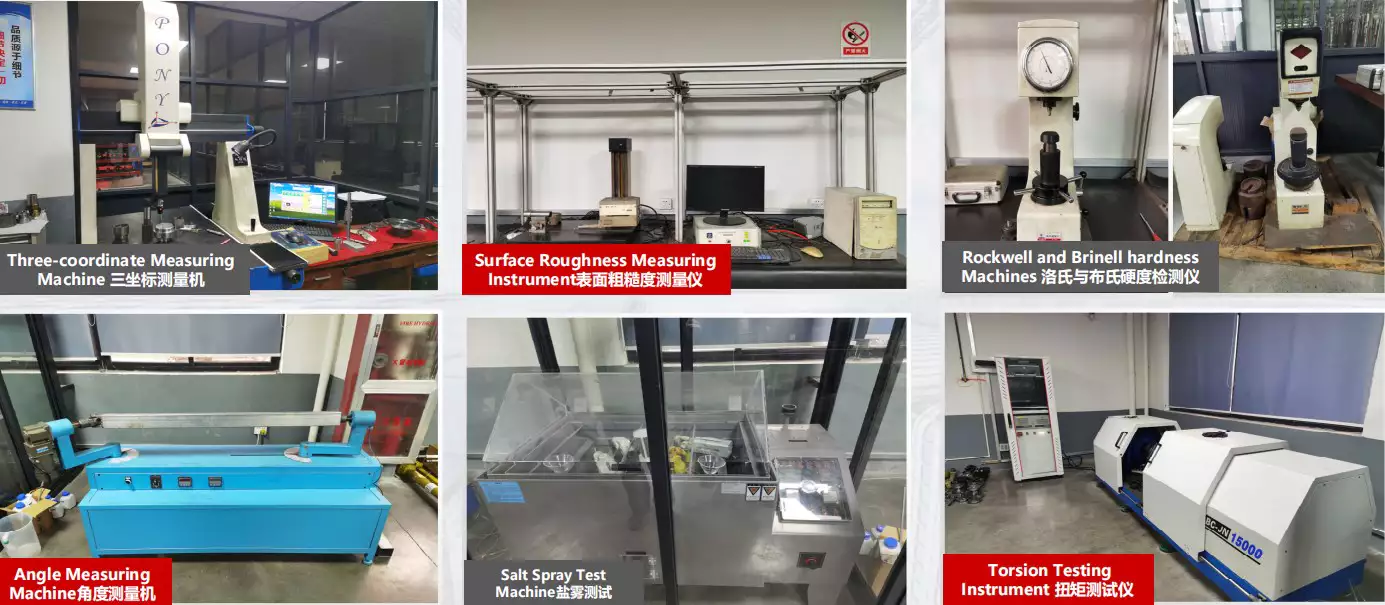
Choosing our grain drill drive shafts means opting for reliability backed by years of field-tested performance. They integrate seamlessly with Dutch tractors, offering robust construction that stands up to daily demands. Our focus on quality materials ensures they last longer, cutting costs over time. With customizable options, they fit specific needs, from small plots to large estates. The support team provides guidance, making selection straightforward. This choice enhances overall farm operations, delivering value every season.
Drive Shaft Use in Dutch Agricultural Products
In wheat production, shafts enable precise drilling, optimizing spacing for better aeration. Dutch wheat benefits from even distribution, reducing disease in humid climates. In barley, they support high-speed seeding, essential for short windows.
For oats, reliable power ensures deep placement in sandy soils. Maize uses them for row accuracy, boosting harvests. Rye in rotations relies on durability for multiple crops.
In forage grains, they aid silage prep, integrating with harvesters. The use enhances product quality, supporting dairy exports.
Cover crops like clover benefit from quick drilling, improving soil health. In organic farming, minimal vibration preserves structure.
Overall, they contribute to sustainable yields, aligning with Dutch food security goals.
Recommended Agricultural Gearboxes
Our agricultural gearboxes complement grain drill drive shafts perfectly, offering seamless power distribution for Dutch farming. These units feature high gear ratios for efficient torque conversion, suited to tractors from 50 to 150 HP. In South Holland, they handle wet soils without slippage, enhancing drill performance. Constructed from cast iron with helical gears, they provide quiet operation and long service life. Maintenance is simple, with sealed bearings requiring grease every 200 hours. Compatibility with our shafts ensures plug-and-play installation, reducing setup time in busy seasons.
In North Brabant, gearboxes support mixed crop systems, with multiple output shafts for versatile attachments. They withstand loads up to 2000 Nm, protecting against overloads in clay terrains. Oil capacity of 2 liters ensures cooling during extended use. Farmers appreciate the IP65 rating for dust and water resistance, ideal for rainy conditions. These features align with Dutch sustainability, minimizing energy loss by 5-10%. Custom ratios are available, tailoring to specific drill speeds.
For Zeeland’s coastal farms, corrosion-resistant coatings extend gearbox life. Input speeds up to 1000 RPM match modern tractors. Weight of 40-60 kg balances stability and portability. In Utrecht, compact designs fit small operations, with easy mounting brackets. The gearboxes include safety clutches, complying with local regs. Users report 20% improved efficiency in seed placement.
In Flevoland, high-capacity models handle large drills, with gear precision to 0.01 mm. They integrate with drive shafts for constant velocity, reducing wear. Warranty of 3 years covers defects, building trust. In Gelderland, angled outputs accommodate hilly fields. These gearboxes enhance overall machinery reliability, supporting Dutch export goals.
Friesland operators use them for forage, with low noise below 75 dB. Limburg’s versions include ventilation for heat dissipation. In Groningen, they support contract farming with robust builds. Overijssel benefits from flood-resistant seals. Drenthe’s sandy soils see less vibration. North Holland’s organic farms value eco-friendly lubricants. Overall, these gearboxes elevate performance, recommended for integrated systems.
Recent News in Dutch Drive Shaft Industry
A recent innovation in Rotterdam involves smart sensors in drive shafts for predictive maintenance, reducing downtime by 30%. In Amsterdam, a conference highlighted sustainable materials, with recycled steel shafts gaining traction. Utrecht’s farm expo showcased hybrid-compatible models, aligning with electric tractor trends. Eindhoven’s tech hub developed AI-optimized designs for better efficiency. National reports note increased exports to Germany, driven by quality standards.
FAQ
- What spline types are available for Dutch grain drill drive shafts? Options include 6-spline and 21-spline, ensuring fit with common tractors. Choose based on power needs for optimal transfer in wet soils.
- How do these shafts handle moisture in polder areas? With IP67-rated seals and corrosion-resistant coatings, they resist rust, extending life in humid conditions like Zeeland.
- Are they compatible with older grain drills? Yes, adjustable lengths and standard yokes fit models from the 1990s onward, facilitating upgrades without full replacements.
- What maintenance is required? Grease joints every 50 hours and inspect guards annually, keeping costs low and performance high in intensive use.
- Do they meet Dutch safety regulations? Fully CE-certified with integral guards, complying with Machinery Directive for safe operation across provinces.