
In demanding industrial settings like coilers used in metal processing plants across Argentina, selecting the right drive shaft ensures smooth torque transfer and minimizes downtime. These components connect motors to rolling mechanisms, handling high loads in environments where precision matters. For operations in Buenos Aires or Córdoba’s manufacturing hubs, robust drive shafts support efficient material handling, aligning with local demands for durable machinery parts.
Drive shafts for coilers must withstand variable speeds and alignments, making them essential for industries processing steel or aluminum. In Argentina’s growing export sector, where coilers process materials for automotive and construction, these shafts prevent vibrations that could lead to equipment failure. Operators often seek replacements that fit existing setups, focusing on compatibility and longevity to keep production lines running.
How Drive Shafts Function in Coilers
Drive shafts in coilers transfer rotational force from the power source to the winding drum, allowing precise control over tension and speed. The process begins with the motor generating torque, which the shaft conveys through universal joints to accommodate misalignments common in heavy-duty setups. In Argentine facilities handling sheet metal, this setup ensures even coiling without slippage.
Key to their operation is the ability to manage axial movements during material buildup. As coils grow in diameter, the shaft adjusts without losing efficiency, supported by bearings that reduce friction. For users in regions like Santa Fe, where agricultural equipment ties into metal processing, these shafts integrate with hydraulic systems for added control.
Maintenance involves checking for wear on splines and joints, ensuring lubrication to prevent overheating. In high-volume operations, shafts with hardened steel construction resist fatigue, extending service intervals. This reliability is crucial for coilers processing thousands of tons annually, where unexpected stops impact output.
Variations include cardan types for angular offsets, ideal for coilers with offset drives. These designs allow flexibility in layout, common in retrofitted plants. By matching shaft specifications to coiler demands, operators achieve optimal performance, reducing energy use and material waste.
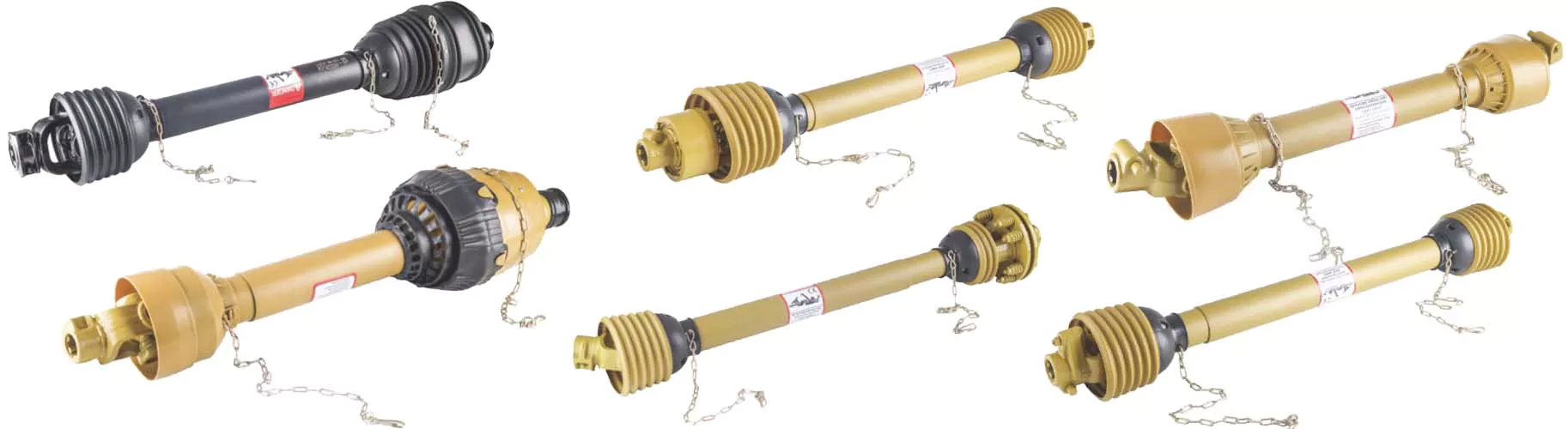
Key Features of Drive Shafts for Industrial Coilers
These drive shafts boast high torsional strength, essential for coilers managing heavy rolls. Materials like alloy steel provide resistance to shear forces, ensuring consistent performance under load. In Argentina’s metal industry, where coilers operate in dusty conditions, sealed joints protect internal components from contaminants.
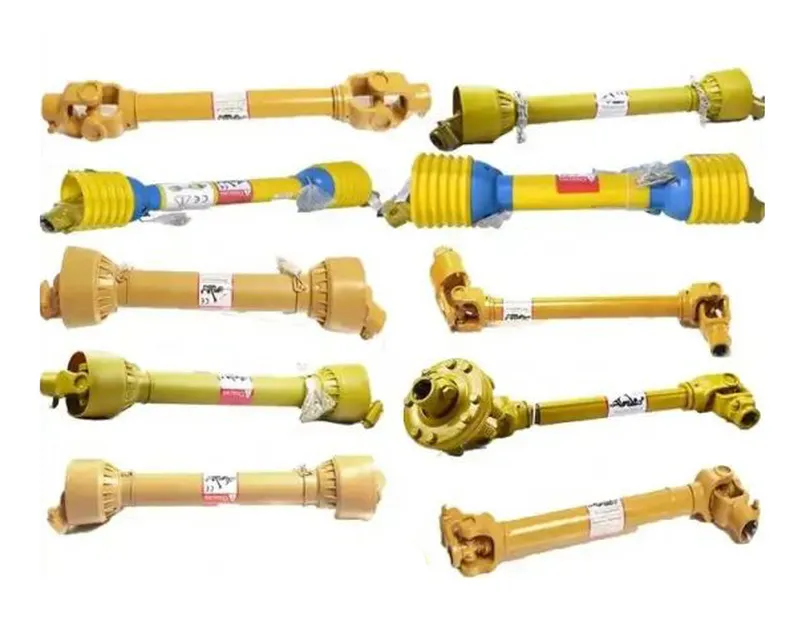
Customization options include length adjustments and end fittings, allowing seamless integration into various coiler models. Features like balanced construction minimize vibrations, extending the life of connected machinery. For procurement managers seeking industrial drive shaft replacements, these attributes translate to lower ownership costs.
Safety mechanisms, such as shear pins, prevent overload damage, a critical aspect in high-speed coiling. Users appreciate the ease of installation, with quick-connect yokes reducing setup time. In competitive markets, shafts with extended warranties offer peace of mind for ongoing operations.
Corrosion-resistant coatings suit humid environments in coastal areas like Mar del Plata. This protection maintains structural integrity, avoiding frequent replacements. Overall, these features make the shafts a preferred choice for enhancing coiler efficiency.
| Parameter | Specification |
|---|---|
| Torque Capacity | Up to 5000 Nm |
| Length Range | 500-2000 mm |
| Material | Alloy Steel |
| Joint Type | Universal |
| Operating Speed | Up to 1500 RPM |
| Weight | 15-50 kg |
| Corrosion Resistance | Coated |
| Balance Grade | G6.3 |
| Temperature Range | -20°C to 80°C |
| Safety Feature | Shear Pin |
Real-World Applications in Key Regions
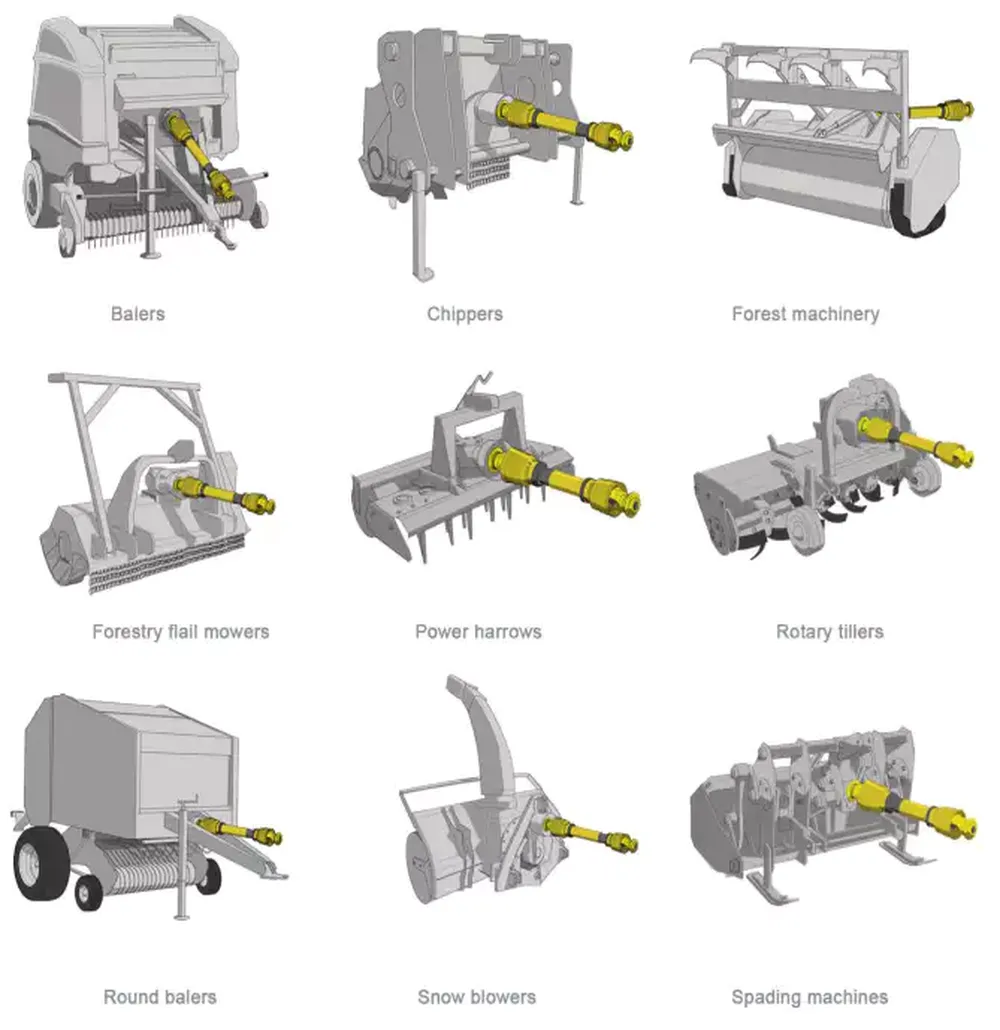
In Argentina, drive shafts power coilers in steel mills around San Nicolás, where they handle continuous rolling of export-grade sheets. Local operators report reduced maintenance due to the shafts’ ability to manage thermal expansion in hot environments. This application supports the country’s metal export boom, with shafts ensuring tight coil formations for shipping efficiency.
Brazil’s manufacturing plants in São Paulo use similar shafts for aluminum coilers, adapting to high humidity. Installations there have shown a 15% increase in uptime, as the components resist corrosion from coastal influences. This reliability aids in meeting automotive supply demands, where precise coiling prevents defects.
In Germany, precision engineering in Düsseldorf’s facilities integrates these shafts into advanced coilers for high-tensile steel. Users note improved alignment, crucial for automotive parts production. The shafts’ balance reduces noise, complying with strict workplace standards.
China’s heavy industry in Shanghai employs them for large-scale coiling in shipbuilding materials. With high torque demands, these shafts prevent breakdowns during peak operations, supporting rapid infrastructure growth.
Compliance with Regulations in Major Markets
In Argentina, drive shafts for coilers must adhere to IRAM standards for mechanical safety, ensuring they withstand industrial stresses without failure. Law 19.587 on occupational health mandates vibration limits, prompting the use of balanced shafts to protect workers in plants like those in Córdoba.
Neighboring Brazil follows ABNT NBR norms for torque transmission, requiring certifications for imported parts. Environmental regulations under CONAMA push for low-emission operations, where efficient shafts reduce energy waste in coiling processes.
In the United States, OSHA guidelines demand overload protection, aligning with shear pin features in these shafts. California’s stricter emissions rules encourage durable components that minimize downtime and fuel use in metal processing.
Germany’s DIN standards emphasize precision, with EU Machinery Directive 2006/42/EC requiring risk assessments. These ensure shafts in coilers meet fatigue resistance criteria, common in automotive supply chains.
China’s GB/T regulations focus on material quality, with safety laws mandating regular inspections. In high-use areas like Jiangsu, these rules prevent accidents in busy coiling lines.
| Parameter | Specification |
|---|---|
| Spline Type | Involute |
| Yoke Size | 1-3/8 inch |
| Heat Treatment | Quenched |
| Lubrication Type | Grease |
| Misalignment Angle | Up to 25° |
| Fatigue Life | 1,000,000 cycles |
| Coating Thickness | 50 microns |
| Vibration Limit | 0.5 mm/s |
| End Fitting | Flange |
| Warranty | 2 years |
Advantages Over Standard Options
Compared to basic models, these drive shafts offer superior load distribution, reducing stress on coiler components. In Argentina’s variable climate, their thermal stability prevents expansion issues that plague lesser designs. This leads to fewer repairs, appealing to cost-conscious buyers searching for long-lasting industrial drive shafts.
Enhanced balancing ensures quieter operation, complying with noise regulations in urban plants. Users in neighboring Uruguay note similar benefits, where shafts handle humid conditions without rust buildup. The modular design allows easy upgrades, extending coiler lifespan.
Energy efficiency comes from low-friction joints, cutting power consumption in high-output coilers. For global comparisons, they outperform entry-level imports in durability tests, making them ideal for demanding applications.
Procurement teams value the compatibility with multiple coiler brands, noted for technical reference only; Agknx operates as an independent manufacturer. This flexibility simplifies sourcing without compromising performance.
Why Choose Our Drive Shafts
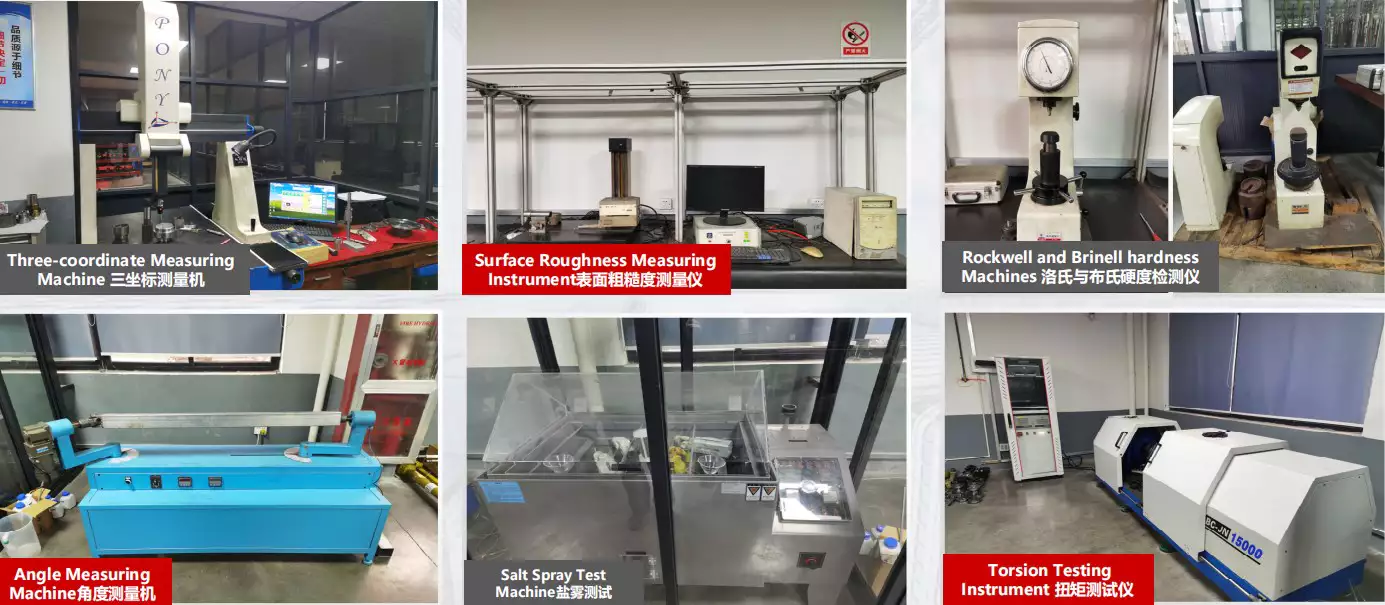
Opting for our drive shafts means investing in proven reliability for your coiler operations. Backed by rigorous testing, they deliver consistent performance in challenging environments. Our focus on quality materials ensures they outlast competitors, providing value through reduced downtime.
We prioritize customer needs, offering tailored solutions that fit specific coiler requirements. In Argentina and beyond, our shafts have supported seamless production, earning trust from industry professionals.
Ready to upgrade your coiler with a dependable drive shaft? Request a quote for custom industrial drive shafts today and experience the difference.
| Parameter | Specification |
|---|---|
| Axial Load | Up to 2000 N |
| Radial Load | 500 N |
| Surface Hardness | 58-62 HRC |
| Seal Type | Triple Lip |
| Certification | ISO 9001 |
| Compatibility Note | For reference; independent manufacturer |
| Installation Time | Under 30 minutes |
| Maintenance Interval | Every 500 hours |
| Noise Level | Below 70 dB |
| Efficiency | 98% |
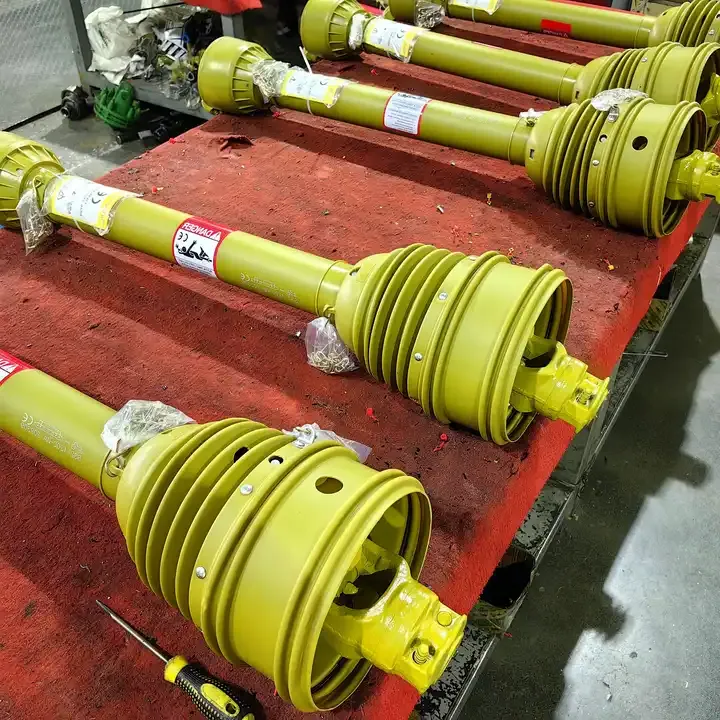
Explore more about our range of drive shafts for coilers. Visit our main page for heavy-duty transmission parts to find the perfect fit.
Frequently Asked Questions
- What torque levels can these drive shafts handle in coilers? They manage up to 5000 Nm, suitable for medium to heavy coiling tasks. This capacity prevents overload in continuous operations, with built-in protections for varying loads. Users in metal plants find this range covers most standard applications without needing oversizing.
- How do I ensure compatibility with my existing coiler setup? Check spline types and yoke dimensions against your equipment specs. Our shafts offer standard fittings like 1-3/8 inch yokes, noted for technical reference only as an independent manufacturer. Measure lengths accurately to avoid misalignment issues during installation.
- What maintenance is required for longevity? Lubricate joints every 500 hours and inspect for wear on seals. In dusty environments, clean exteriors regularly to maintain efficiency. This routine extends life to over 1,000,000 cycles, reducing replacement frequency in high-use scenarios.
- Are these shafts compliant with Argentine regulations? Yes, they meet IRAM standards for mechanical integrity and OSHA-inspired safety features. For coilers, vibration controls align with Law 19.587, ensuring worker safety in industrial zones like Buenos Aires.
- Can they operate in high-temperature conditions? Designed for -20°C to 80°C, with heat-treated materials resisting deformation. In hot coiling processes, this range prevents failures, supported by coatings that enhance thermal stability for reliable performance.
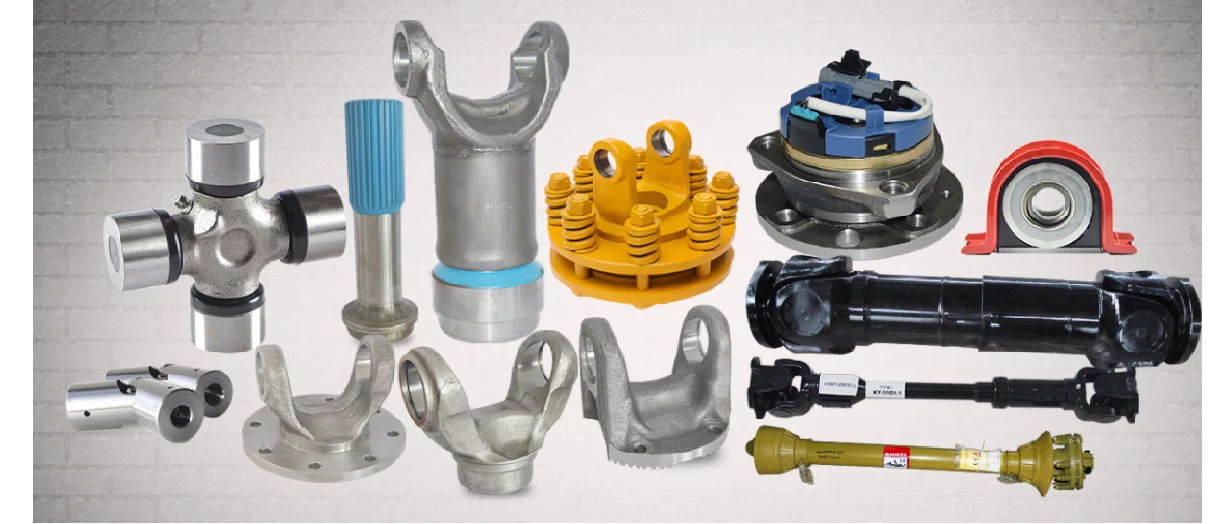
Need expert advice on drive shafts for your coiler? Inquire about bulk orders for coiler drive shafts and get tailored recommendations.