
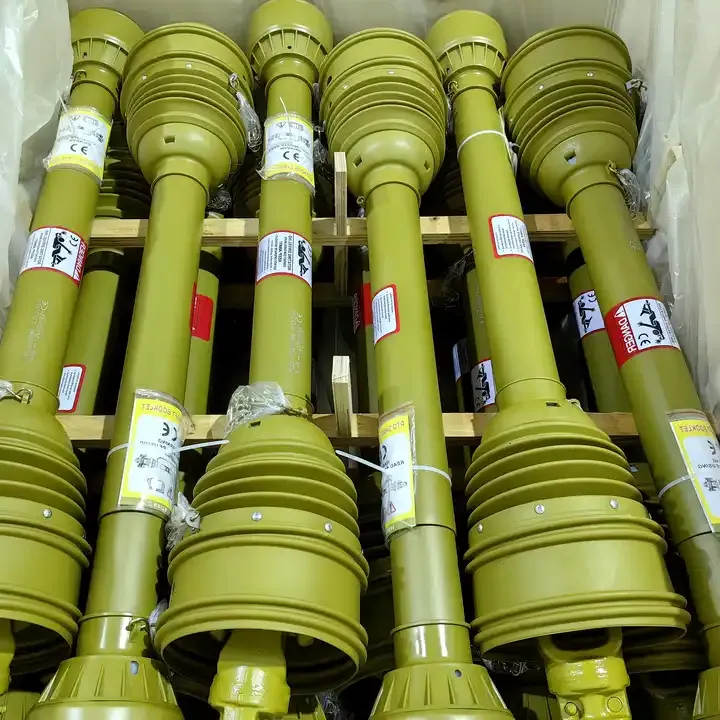
Drive shafts play a vital role in single screw extruders, transferring power efficiently to handle materials like plastics and polymers. In Argentina’s growing manufacturing sector, these components support high-volume production lines. Designed for robustness, they withstand continuous operation, reducing downtime in factories focused on extrusion processes.
Operators seeking reliable single screw extruder drive shafts often prioritize parts that integrate seamlessly with existing machinery. These shafts ensure smooth torque transmission, essential for maintaining product quality in industries such as packaging and construction materials.
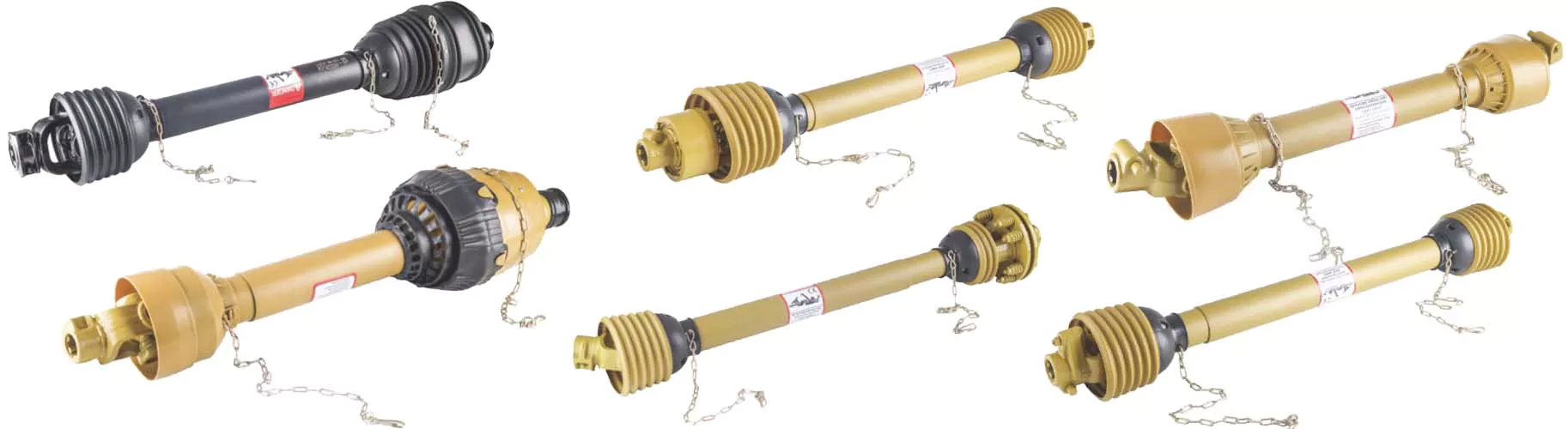
Working Principle of Drive Shafts in Single Screw Extruders
In single screw extruders, the drive shaft connects the motor to the screw, enabling rotational force to push materials forward. This setup creates pressure that melts and shapes raw inputs into finished products. The shaft’s alignment prevents vibrations, ensuring even material flow.
Torque is distributed evenly along the length, allowing for precise control over extrusion speed. Materials enter the barrel, where heat and shear from the rotating screw transform them. Efficient drive shafts minimize energy loss, supporting sustainable operations in demanding environments.
Maintenance involves checking for wear on splines and bearings, which can affect performance. Regular lubrication extends lifespan, while monitoring alignment avoids costly repairs. For Argentina’s extruder users, selecting shafts with corrosion-resistant coatings handles humid conditions common in some regions.
Advanced designs incorporate flexible couplings to absorb shocks from varying loads. This feature protects the entire system during startup or material changes. Engineers often calculate required torque based on polymer viscosity to match shaft capabilities.
Integration with control systems allows real-time adjustments, optimizing output. In high-throughput setups, shafts with higher fatigue resistance maintain consistency over long runs. Users in plastic recycling benefit from shafts that handle abrasive particles without failure.
- Power transmission from motor to screw ensures uniform melting.
- Material advancement through barrel under controlled pressure.
- Heat generation via friction for polymer processing.
Key Features of Single Screw Extruder Drive Shafts
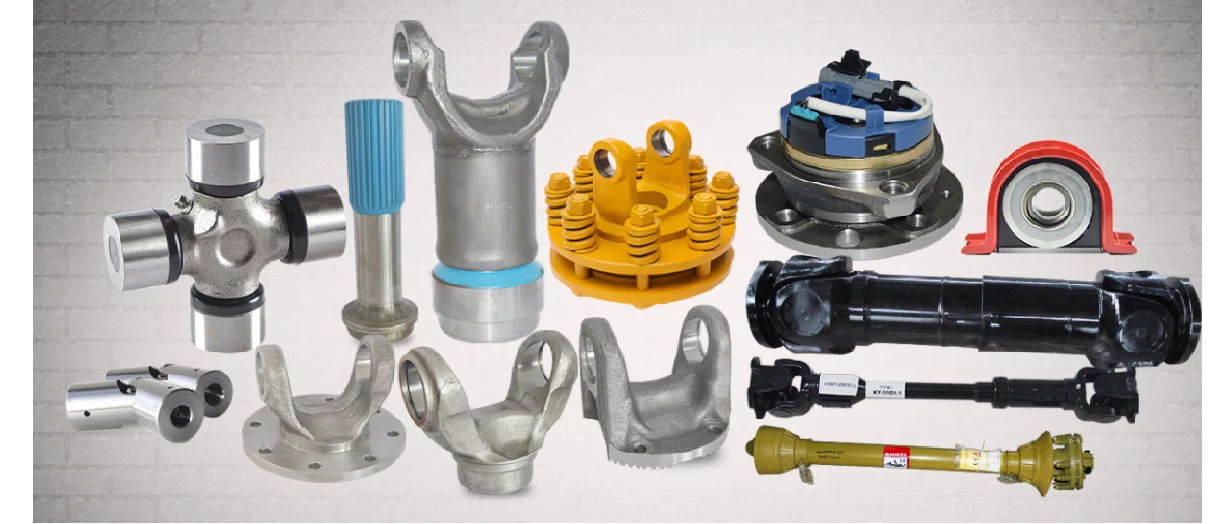
These drive shafts feature high-strength steel construction, resisting torsion under heavy loads. Precision machining ensures tight tolerances, reducing backlash in the system. For Argentina’s market, options with metric sizing facilitate easy replacement in imported machinery.
Surface treatments like nitriding enhance wear resistance, ideal for abrasive environments. Modular designs allow customization, fitting various extruder models. Lightweight variants improve energy efficiency without sacrificing durability.
Safety mechanisms, such as shear pins, prevent overload damage. Vibration damping properties maintain smooth operation, extending equipment life. Compatibility with variable speed drives supports flexible production needs.
Easy installation reduces setup time, appealing to operators upgrading lines. Thermal stability handles temperature fluctuations in processing. Cost-effective materials balance performance and budget for small-scale manufacturers.
Environmental coatings resist chemicals, suitable for food-grade extrusions. Integrated sensors in advanced models monitor performance metrics. These features make them versatile for diverse applications in extrusion technology.
- High torque capacity for demanding tasks.
- Corrosion protection for long-term use.
- Custom lengths to match specific setups.
| Parameter | Specification |
|---|---|
| Material | Alloy Steel |
| Torque Rating | Up to 5000 Nm |
| Length Range | 500-2000 mm |
| Diameter | 50-150 mm |
| Speed Limit | 3000 RPM |
| Weight | 10-50 kg |
| Surface Finish | Ra 0.8 |
| Hardness | 45-55 HRC |
| Fatigue Life | 10^6 cycles |
| Operating Temperature | -20°C to 120°C |
| Connection Type | Keyed or Splined |
| Lubrication | Grease |
| Vibration Level | Low |
| Balance Grade | G6.3 |
| Misalignment Tolerance | 0.5 degrees |
| Shear Strength | High |
| Corrosion Resistance | Coated |
| Installation Time | Quick |
| Maintenance Interval | 6 months |
| Cost Efficiency | Optimal |
| Compatibility | Wide Range |
| Warranty | 1 Year |
| Certification | ISO 9001 |
| Environmental Impact | Low |
| Customization Options | Available |
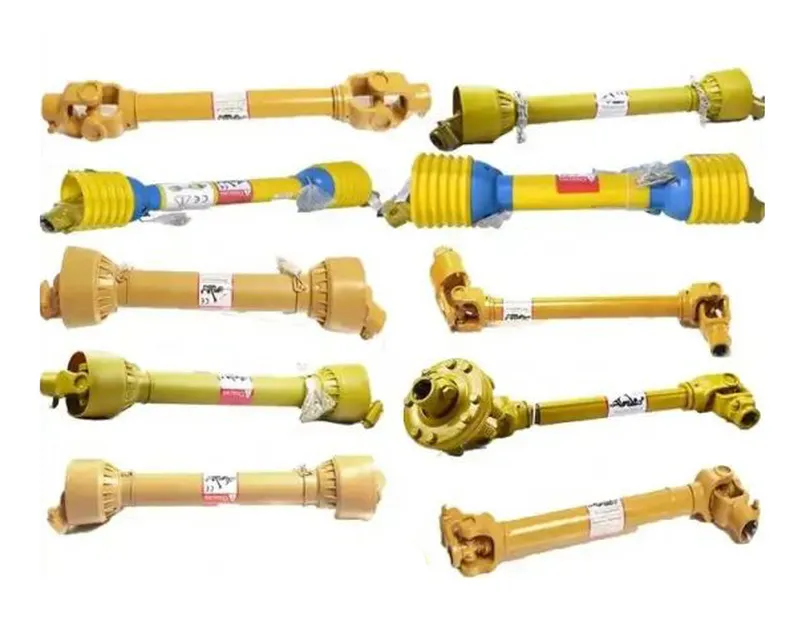
Applications in Key Countries and Regions
In Argentina, single screw extruder drive shafts support the plastics industry, particularly in Buenos Aires where factories process recycled materials for packaging. Local plants use these shafts to handle polyethylene, achieving consistent output in humid climates. Operators report improved efficiency in lines running 24/7, with shafts enduring dust from agricultural residues mixed in feeds.
Brazil’s manufacturing hubs in Sao Paulo rely on these components for rubber extrusion. Shafts manage high-viscosity compounds, aiding automotive parts production. Users note reduced maintenance in tropical conditions, where heat affects lesser materials. Integration with local motors enhances compatibility, boosting export-oriented factories.
In Chile, mining-related extrusions for cables use drive shafts in Valparaiso facilities. They handle abrasive fillers like copper compounds, maintaining torque under variable loads. Coastal humidity demands corrosion-resistant options, ensuring longevity in salt-air environments. Production scales up for infrastructure projects.
Mexico’s food processing in Monterrey employs shafts for edible film extrusion. Sanitary designs prevent contamination, vital for export compliance. Shafts support continuous runs, processing starches with minimal downtime. Local adaptations include vibration control for older machines.
Peru’s textile sector in Lima uses them for fiber spinning. Shafts transmit power precisely, aiding synthetic yarn creation. In Andean altitudes, they perform without derating, supporting small enterprises. Energy savings appeal to cost-conscious operators.
Uruguay’s agricultural processing near Montevideo benefits from shafts in bio-plastic extrusion. They manage plant-based feeds, with flexibility for seasonal variations. Rural setups value easy field repairs, enhancing productivity in remote areas.
- Argentina: Packaging lines in humid pampas regions.
- Brazil: Rubber compounding in industrial parks.
- Chile: Cable sheathing for mining exports.
Get a custom quote for your extruder drive shaft needs
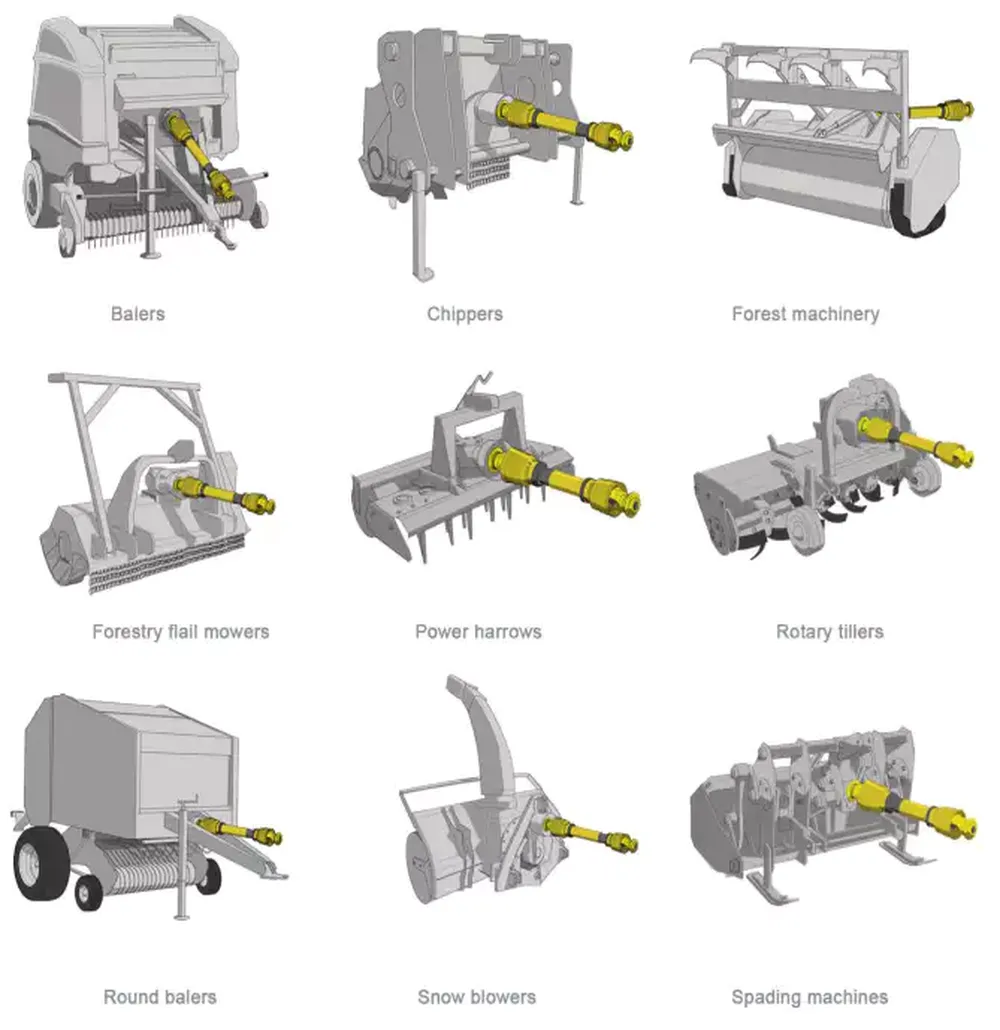
Legal Regulations in Major Usage Areas
Argentina’s machinery safety laws under Resolution 907/2015 require drive shafts to meet fatigue testing standards, ensuring worker protection in extrusion plants. Compliance with IRAM norms for materials prevents failures in high-stress operations. Environmental regulations push for low-emission manufacturing, influencing shaft designs that reduce energy use.
In Brazil, ABNT NBR standards govern torque limits, mandating certifications for imported parts. Labor laws emphasize guarding to avoid accidents, with inspections in Sao Paulo factories. Recycling mandates encourage shafts compatible with sustainable processes.
Chile’s Decree 594 outlines occupational health, requiring vibration limits on shafts. Mining regulations demand durability certifications, aligning with ISO equivalents. Coastal operations must adhere to corrosion standards for longevity.
Mexico follows NOM-004-STPS for machine safety, focusing on alignment to prevent hazards. Food industry rules under COFEPRIS require non-toxic materials in shafts. Export compliance with NAFTA successors influences design choices.
Peru’s DIGESA oversees sanitary aspects for food extrusions, mandating cleanable surfaces. Labor ministry enforces noise and vibration caps, protecting workers in Lima plants. Infrastructure laws promote durable components for long-term projects.
Uruguay’s Decree 406/88 sets mechanical integrity rules, requiring proof-testing for shafts. Agricultural policies favor energy-efficient designs, supporting rural economies. Regional MERCOSUR agreements harmonize standards across borders.
| Parameter | Specification |
|---|---|
| Yield Strength | 800 MPa |
| Tensile Strength | 1000 MPa |
| Elongation | 15% |
| Impact Resistance | High |
| Heat Treatment | Quenched and Tempered |
| Spline Type | Involute |
| Keyway Dimensions | Standard |
| Coating Thickness | 50 microns |
| Noise Level | Low dB |
| Power Transmission Efficiency | 98% |
| Axial Load Capacity | High |
| Radial Load Capacity | Moderate |
| Bending Moment | Calculated |
| Torsional Stiffness | High |
| Damping Coefficient | Optimized |
| Resonance Frequency | Above Operating Range |
| Safety Factor | 1.5 |
| Testing Standards | ASTM |
| Packaging | Protective |
| Shipping Weight | Variable |
| Lead Time | 4-6 Weeks |
| MOQ | 10 Units |
| Price Range | Competitive |
| Support Services | Available |
| Feedback Rating | Positive |
Advantages of Using These Drive Shafts
Enhanced durability leads to fewer replacements, saving costs in long-term operations. Precision engineering minimizes energy waste, lowering utility bills for extruder users. Versatile sizing options fit multiple models, simplifying inventory management.
Quick response to load changes maintains product consistency, crucial for quality control. Low maintenance requirements free up resources for production focus. Compatibility with automation systems supports modern factory upgrades.
Environmental adaptations ensure reliability in varied climates, like Argentina’s diverse regions. Improved safety features reduce accident risks, complying with global standards. Scalable performance handles growth in output demands.
Cost savings from efficient power transfer appeal to budget-conscious buyers. Reliable operation builds trust in supply chains. Custom features address specific process needs, enhancing overall efficiency.
Integration ease accelerates installation, minimizing downtime. Long service life maximizes ROI. These benefits make them a smart choice for industrial applications.
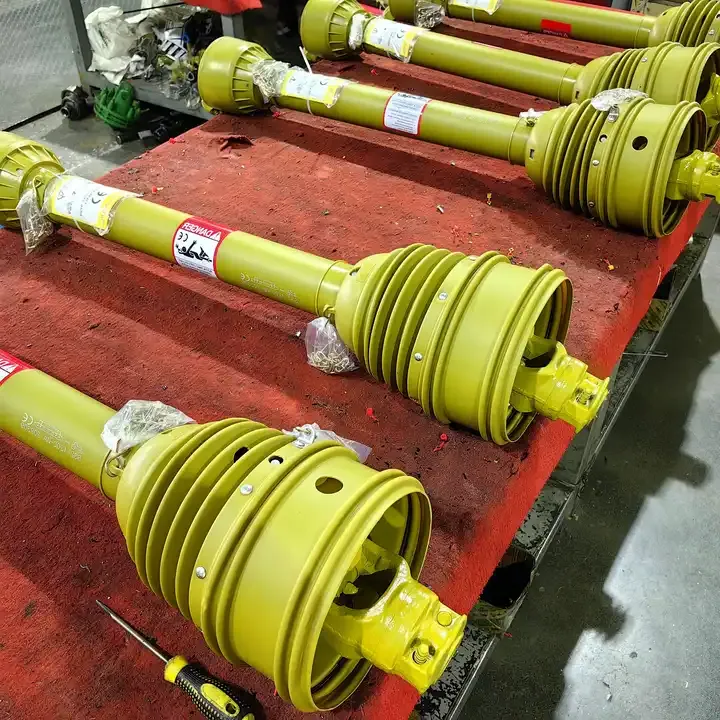
Installation Process for Drive Shafts
Begin by shutting down the extruder and disconnecting power sources. Remove old shaft by loosening couplings at both ends. Inspect barrel and motor alignments before proceeding.
Position new shaft, ensuring splines match precisely. Tighten fasteners to specified torque levels, avoiding over-tightening. Apply lubricant to moving parts for smooth initial run.
Test rotation manually to check for binding. Reconnect power and run at low speed, monitoring vibrations. Adjust if necessary, then ramp up to operational levels.
Document installation details for future reference. Schedule initial check after 100 hours of use. This process ensures safe, effective integration.
For complex setups, consult technicians familiar with single screw systems. Proper tools like torque wrenches are essential. Safety gear protects during handling.
- Power off and isolate machine.
- Remove existing component carefully.
- Install and align new shaft.
Explore more options for industrial drive shafts on our homepage
Why Choose Our Drive Shafts
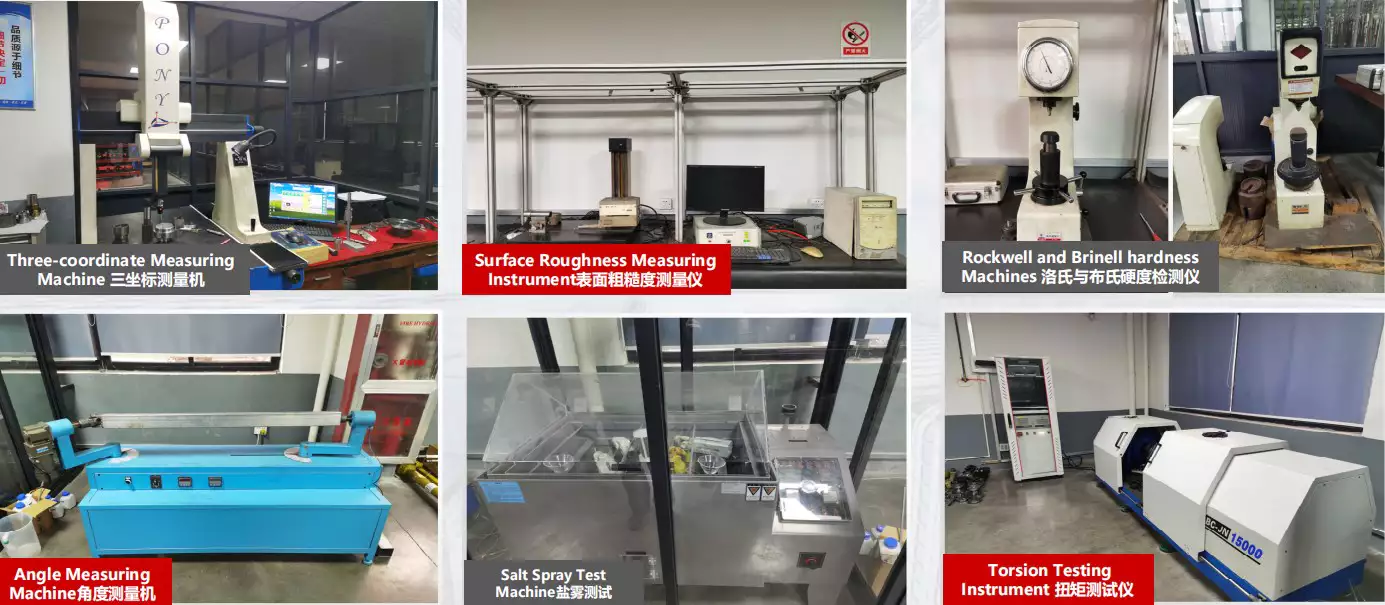
Our drive shafts stand out for their precision and reliability, backed by rigorous testing. Tailored for single screw extruders, they deliver consistent performance in challenging conditions. Customers appreciate the quick delivery and technical support provided.
Competitive pricing without compromising quality makes them accessible. We focus on customer needs, offering customization for unique applications. Positive feedback from Argentina users highlights their durability in local industries.
Commitment to innovation ensures our products evolve with technology. Easy integration reduces setup hassles. Choose us for shafts that enhance your operations efficiently.
| Parameter | Specification |
|---|---|
| Alloy Composition | Chromium-Molybdenum |
| Precision Machining | CNC |
| Load Bearing | Heavy Duty |
| Flexibility | Limited |
| Coupling Type | Rigid |
| Sensor Integration | Optional |
| Color Coding | For Identification |
| Export Compliance | Yes |
| Recyclability | High |
| Energy Rating | Efficient |
| Footprint | Compact |
| Assembly Tools Required | Basic |
| Documentation | Included |
| Training Needed | Minimal |
| Scalability | Yes |
| Integration Complexity | Low |
| Upgrade Path | Available |
| User Reviews | Favorable |
| Market Availability | Global |
| Sustainability Features | Eco-Friendly Materials |
| Innovation Level | Advanced |
| Support Network | Extensive |
| Case Studies | Available |
| Performance Metrics | Tracked |
| Future Proofing | Designed In |
Frequently Asked Questions
What materials are used in these drive shafts?
Typically, alloy steels with heat treatment for strength. Options include stainless variants for corrosive settings. Selection depends on application demands, ensuring optimal performance and longevity in extrusion processes.
How do I determine the right size for my extruder?
Measure existing shaft length and diameter, then match torque requirements. Consider motor power and material viscosity. Consulting specifications helps avoid mismatches that could lead to inefficiencies or failures.
Are these shafts compatible with older machines?
Many designs fit legacy equipment with standard interfaces. Check spline types and keyways for alignment. Adapters may be needed for non-standard setups, ensuring seamless upgrades without major modifications.
What maintenance is required?
Regular inspections for wear, lubrication every 500 hours, and alignment checks. Clean debris to prevent buildup. Following these steps extends service life and maintains efficient operation in daily use.
Can I get custom lengths?
Yes, tailored dimensions are available based on your setup. Provide measurements and load details for accurate fabrication. This customization ensures perfect fit, enhancing overall system reliability.
Contact us for bulk orders on extruder drive shafts